Why are my guinea pig's teeth overgrown?
GUINEA PIG TEETH
Owners often spot overgrown teeth when their guinea pig starts drooling excessively or dropping food while eating, sparking worry about pain or malnutrition.
Common Causes
Guinea pigs' teeth grow continuously throughout their lives, unlike human teeth, so they rely on constant grinding to stay short. Overgrowth, known as malocclusion, often stems from a diet lacking enough hay or grass, which naturally wears down both incisors and molars. Poor vitamin C intake weakens gums and jaw strength, while genetics or old age can misalign teeth despite good care. Injury from falls or fights may also disrupt normal wear patterns.
Spotting the Signs
Watch for selective eating, like favouring soft veg over hay, or exaggerated chewing motions that look laboured. A wet chin from dribbling saliva signals advanced issues, as overgrown molars can trap the tongue or pierce cheeks. Weight loss creeps in quietly if chewing hurts, so weekly weigh-ins help catch problems early. Bumps along the jawline indicate roots pushing abnormally.
Diet Fixes at Home
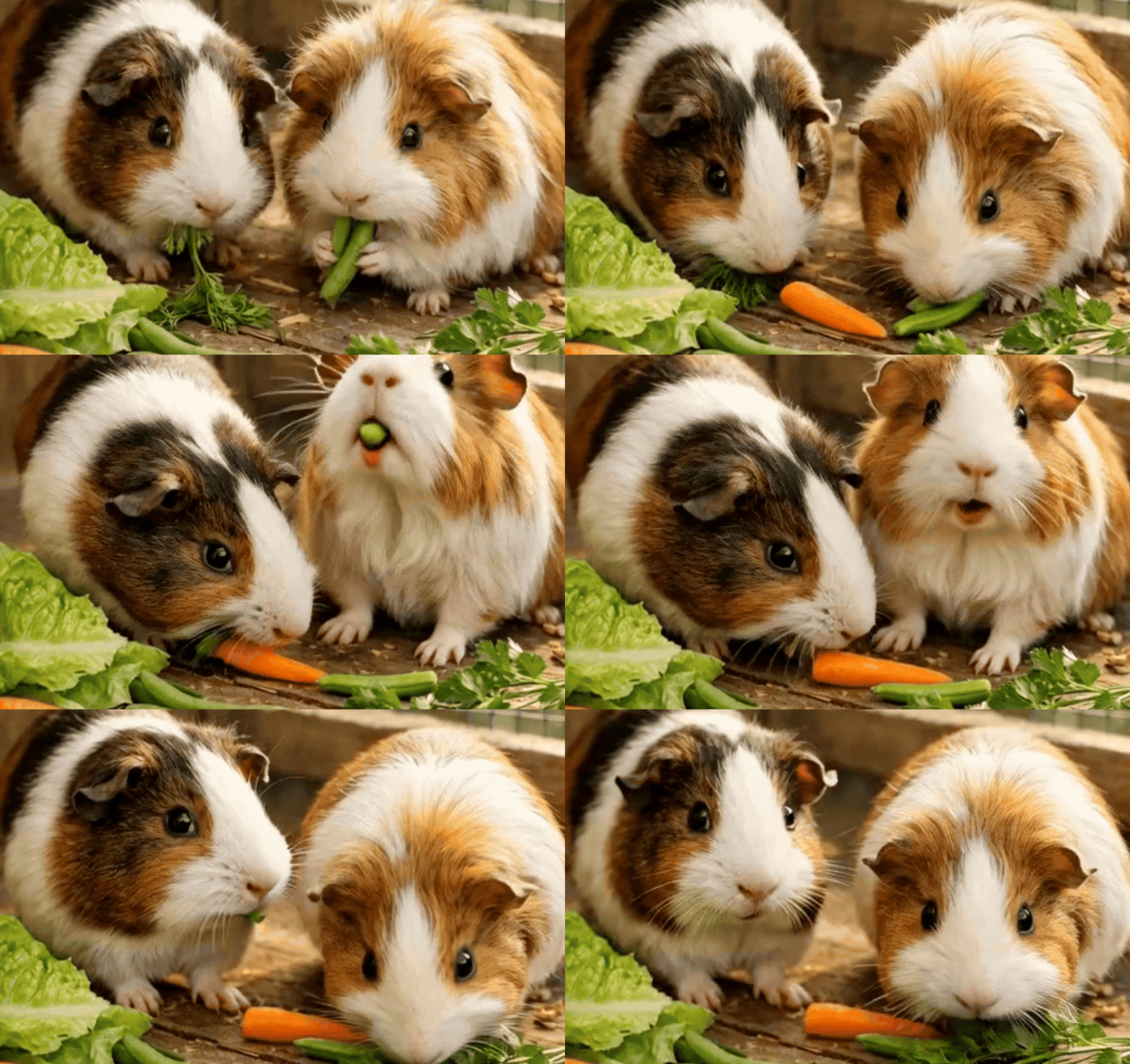
Unlimited timothy hay should form 80% of meals, with meadow or readigrass varieties for varied grinding textures suited to UK climates. Supplement daily with vitamin C-rich peppers, kale, or parsley, but avoid over-reliance on pellets that don't abrade teeth enough. Scatter hay in different spots to encourage natural foraging and jaw exercise, mimicking wild behaviour. Rotate wooden gnaws sparingly, as they mainly help incisors, not back molars.
Daily Health Checks
Gently lift lips weekly to inspect incisors for even length and alignment, feeling jawlines for soreness or swellings. Note any head tilting or pawing at the mouth during hay munching, common in early overgrowth. Track appetite changes against normal patterns, like your pet's usual hay pile vanishing overnight. Pair checks with cage cleaning to spot dropped food early.
Vet Care Essentials
Overgrown teeth rarely self-correct, so seek a cavy-savvy vet promptly for clipping or filing under check, as roots may need x-rays. Guinea pigs hide pain well, so sudden refusal of hay demands same-day attention to prevent starvation. Regular trims every 4-6 weeks manage chronic cases, alongside diet tweaks for long-term control. Drooling and overgrown teeth need vet checks, as this PDSA guinea pig health guide confirms.
5 Simple Tips
To help prevent overgrown teeth
🐭 1. Offer fresh timothy hay 24/7 in hay racks, ensuring it's dust-extracted for UK allergies; this wears molars via natural silicates, watch piles vanish daily to confirm intake. Top up with meadow hay weekly for texture variety.
🐹 2. Weigh your guinea pig every seven days on kitchen scales, noting trends; a drop signals chewing pain early, before visible overgrowth appears. Log weights in a notebook for vet visits.
🐾 3. Check incisors and jaw weekly by gently parting lips, feeling for lumps or uneven tips; flinching means prompt vet checks for hidden spurs. Combine with nail trims monthly.
😊 4. Feed vitamin C veg like red peppers daily, chopped small to encourage grinding; avoid muesli mixes high in sugars that soften stools and reduce hay appeal.
💫 5. Provide safe foraging spots with hay scattered over playpens, boosting jaw muscle use; limit wooden chews to apple branches, as they aid fronts only.
📌 Important note While these tips help manage normal guinea pig behaviour, sudden changes can signal health issues. Consult your vet if concerned.
5 Common Questions Answered
Why are my guinea pig's teeth overgrown?
✍️ Q: Can diet alone fix overgrowth?
🐭 A: Hay wears teeth naturally but won't reverse severe cases; combine with vet trims for alignment. Poor hay intake from soft-food diets accelerates issues in young pigs. Monitor via weekly weights.
✍️ Q: Is drooling always teeth-related?
🐹 A: Often yes, from molars blocking swallowing, but check for infections too. Wipe chins gently and note hay refusal. Vets use scopes for confirmation.
✍️ Q: How often should I check teeth?
🐾 A: Weekly during handling, feeling jaws and viewing incisors; daily if eating slows. Early spotting prevents abscesses.
✍️ Q: Are some breeds prone?
😊 A: All are susceptible, but Abyssinians' fine coats hide weight loss longer. Genetics play a role regardless.
✍️ Q: What's the vet treatment like?
💫 A: Clipping under sedation or exam, repeated as needed; x-rays spot roots. Recovery involves critical care formula if starved.
THANK YOU
Thank you for reading this post. We hope that you found it helpful and hope to you visit this page again soon. For more information, fun facts and cute photos, please follow us on social media. ❤️
Disclosure & Disclaimer: Some of the links in this blog may be affiliate links, which means we earn a small commission if you click through and make a purchase. This comes at no additional cost to you but helps support the continued production of content. We only recommend products and services we believe will add value to our audience. The content provided is solely for informational purposes. Any advice provided is based on personal experience and research and may not be suitable for everyone. Before implementing any advice, please consult with a professional to ensure it's appropriate for your specific situation. Thank you for your support.