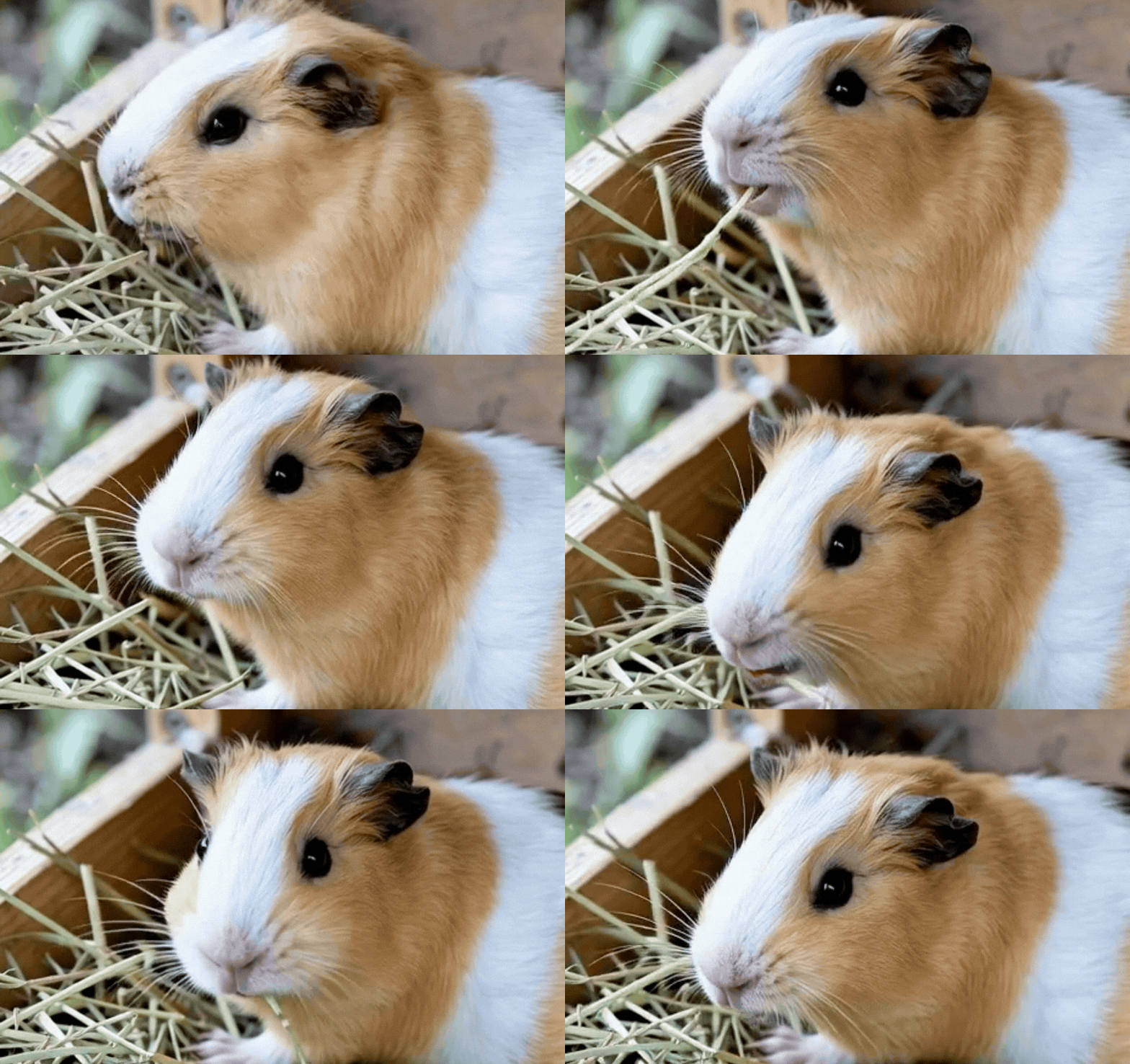
How do I keep guinea pigs cool in summer?
GUINEA PIG KEEP COOL
Guinea pigs struggle in UK summer heatwaves over 26°C, risking heatstroke from their inability to sweat or pant effectively.
Provide Shade and Ventilation
Move outdoor hutches to shaded garden spots under trees or use parasols, adjusting as the sun moves. Indoors, close curtains to block sunlight and open windows during cooler evenings for airflow, avoiding direct draughts. Add tunnels or leafy plants for natural hideaways. Hutches with solid roofs heat up fast, so elevate them slightly for under-airflow. Watch for stretched-out postures, a sign they need more shade.
Boost Hydration Levels
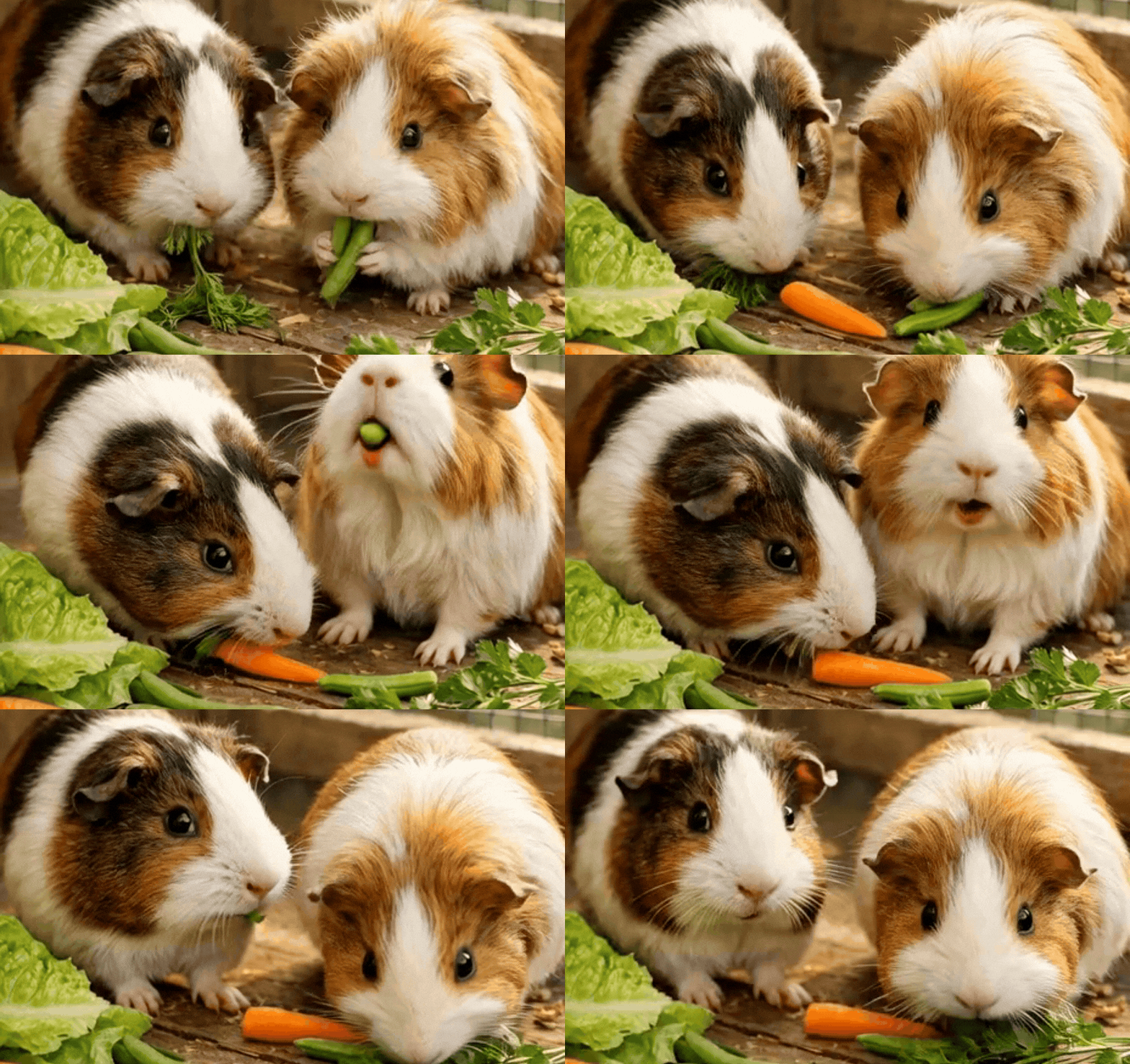
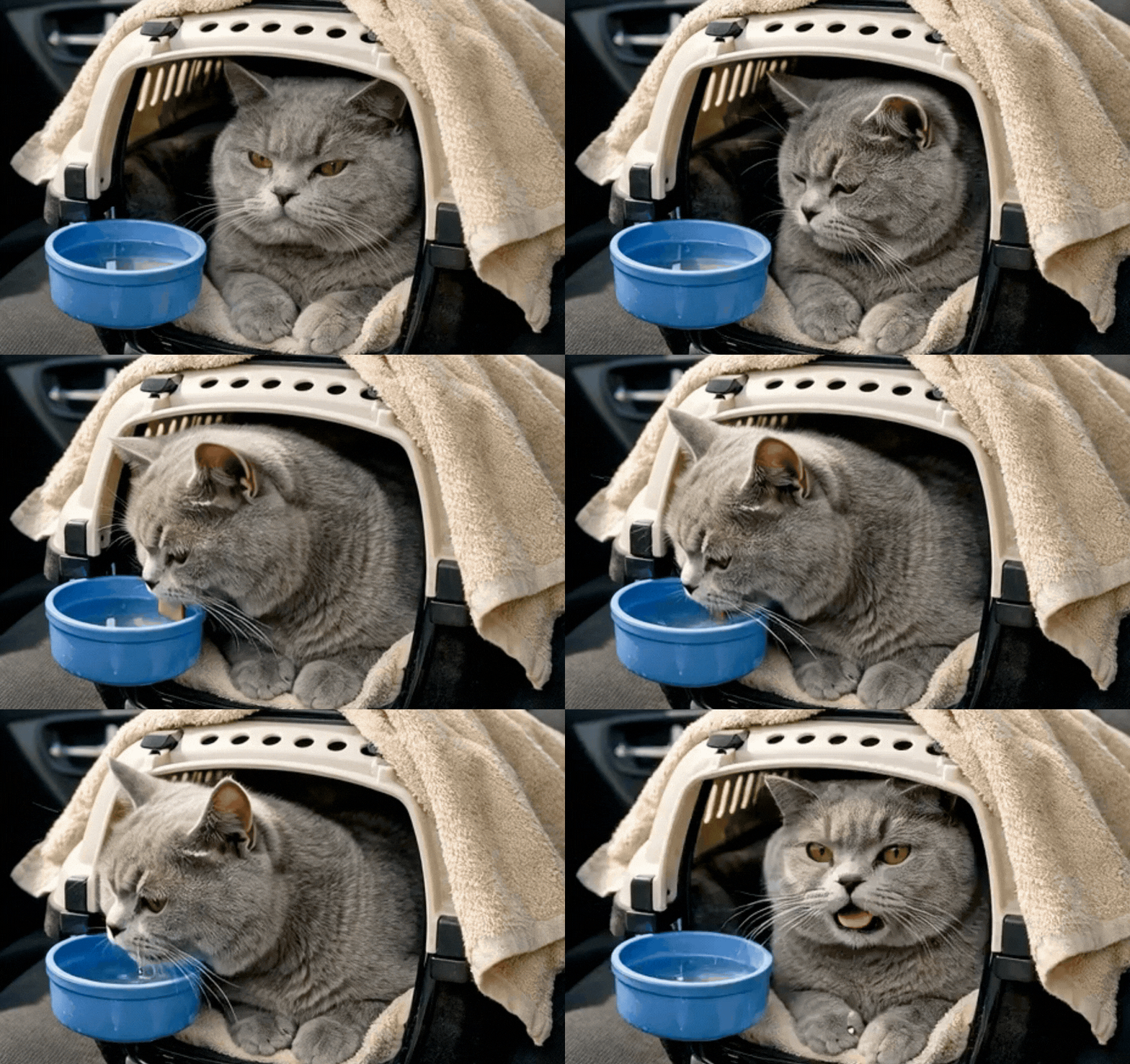
Offer multiple water bottles, refreshing them twice daily to prevent algae in warm weather. Add hydrating veg like cucumber, lettuce or peppers, introduced gradually to avoid tummy upset. Chill greens in the fridge before serving for extra cooling. A second bottle ensures constant access during heat spikes. Monitor intake, as lethargy signals dehydration risk.
Use Frozen Cooling Aids
Wrap frozen water bottles or ice packs in towels and place them in the hutch for guinea pigs to lean against, preventing ice burns. Ceramic tiles or slates stay cool naturally, so position them in shaded spots or chill briefly in the fridge first. Avoid direct ice contact or unsupervised water dips.
These simple aids mimic natural cooling without stress. Refresh as they warm up.
Improve Airflow Indoors
Position a fan nearby to circulate air, never blowing directly on them, and secure cords from nibbling. Drape a damp towel over part of the run with fan airflow for a cooling breeze. Bring outdoor pigs inside to cool rooms below 24°C during peaks. Garages or sheds trap heat, so opt for main house areas. Guinea pigs retreat if over-cooled, so observe comfort.
Groom and Monitor Closely
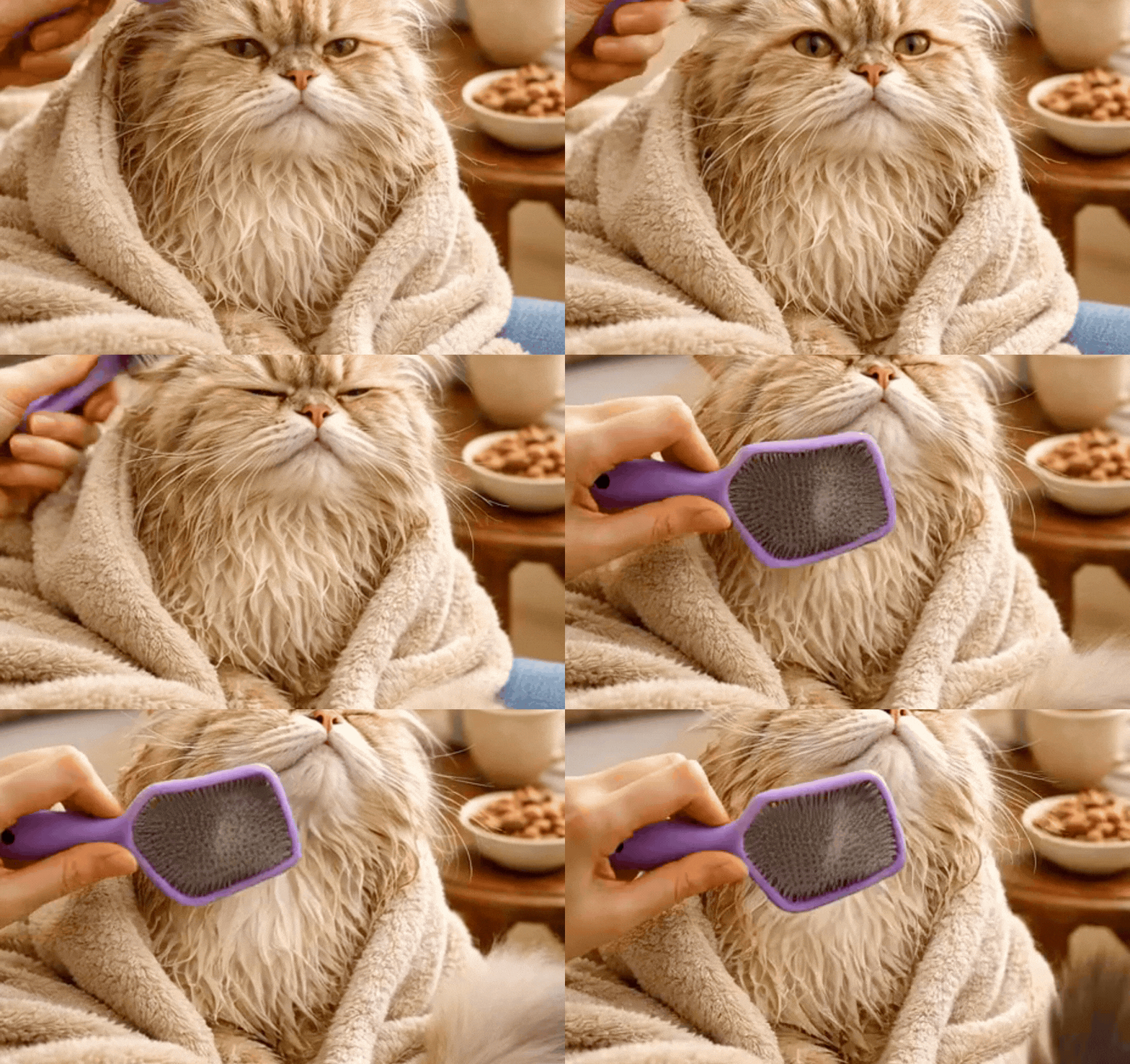
Brush long-haired breeds regularly to remove excess fur trapping heat, or trim lightly if needed. Dampen fur gently with tepid water mist from a distance if they tolerate it. Check ears and tummies daily for hot skin or rapid breathing. Short-haired pigs cope better but still need vigilance. Early signs like drooling warrant immediate vet checks.
5 Simple Tips
To help keep guinea pigs cool
🐭 1. Relocate hutches to permanent shade using garden parasols or north-facing walls, ensuring daily sun tracking. Elevate bases on bricks for airflow underneath, preventing ground heat rise. Add fleece liners that wick moisture away from their bodies.
🐹 2. Freeze water bottles overnight, wrapping securely in old socks for safe cuddling contact all day. Replace every four hours to maintain chill. Combine with chilled veg for double hydration boost.
🐾 3. Install a pet-safe fan on low, aimed at the room corner with a damp towel nearby for evaporative cooling. Tuck wires high and check piggy reactions hourly. Ideal for indoor setups during 28°C-plus days.
😊 4. Scatter cool slate tiles across hutch floors, letting pigs choose lounging spots freely. Source affordable samples from DIY stores and rotate to shady areas. Pairs well with hay burrows for stress-free chilling.
💫 5. Mist long coats lightly with room-temp water twice weekly, brushing post-groom for fluffier airflow. Short-haired pigs benefit from simple brushing alone. Track weight weekly, as heat curbs appetite.
📌 Important note While these tips help manage normal guinea pig behaviour, sudden changes can signal health issues. Consult your vet if concerned.
5 Common Questions Answered
How do I keep guinea pigs cool in summer?
✍️ Q: At what temperature is heatstroke a risk?
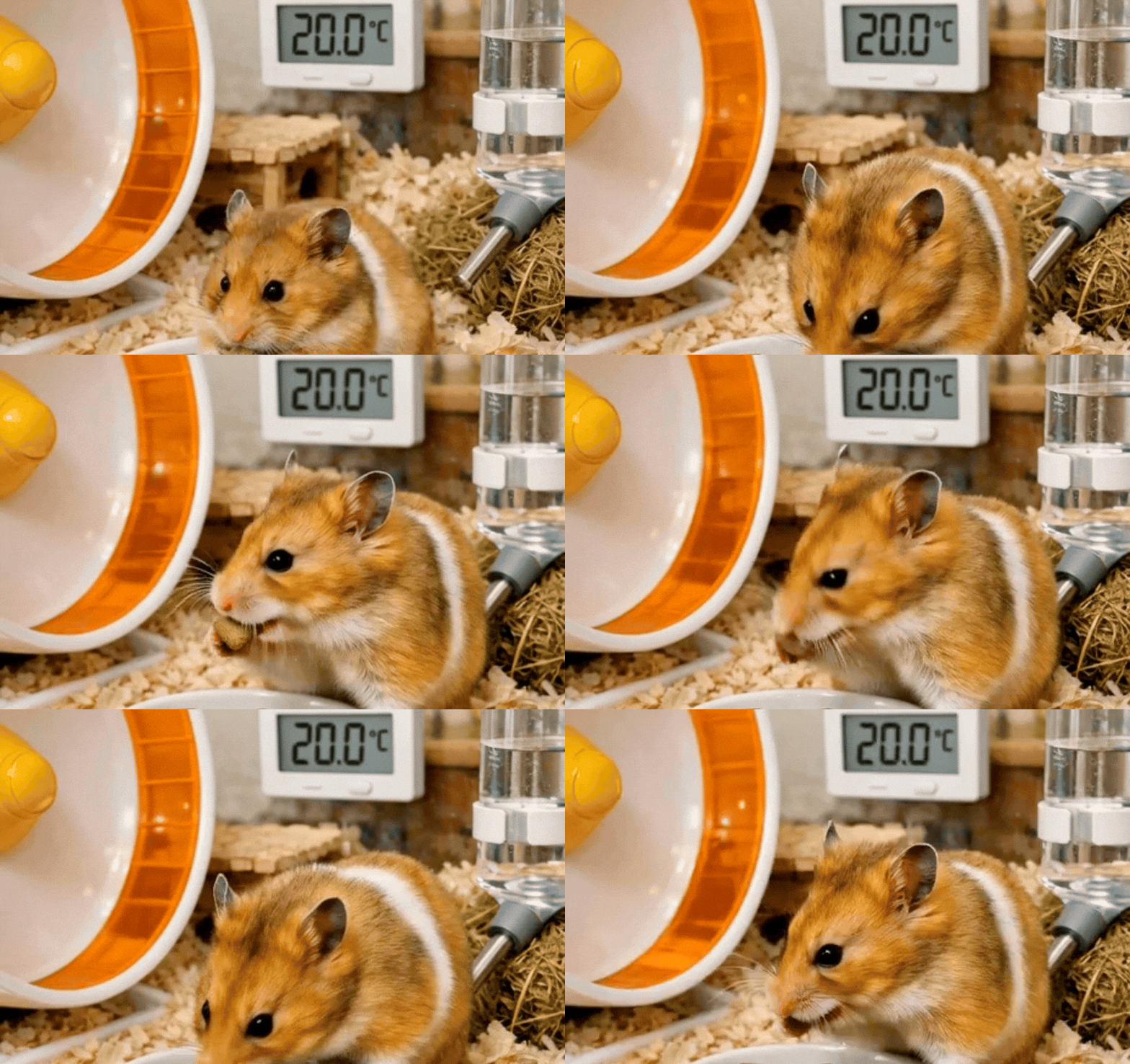
🐭 A: Guinea pigs face danger above 26°C, with 28°C often fatal without intervention. Symptoms include laboured breathing, wobbly legs or drooling, so act fast by moving to shade and offering water. Indoor thermometers help track spikes during UK heatwaves. Vets recommend prevention over cure.
✍️ Q: Can I use a fan safely?
🐹 A: Yes, indirectly for room circulation, positioning it two metres away with open hutch doors. Pair with a frozen bottle inside for best effect, but never overnight unattended. Pigs self-regulate by moving away if too breezy. Clean fans weekly to avoid dust irritation.
✍️ Q: What veg helps most with cooling?
🐾 A: Cucumber slices, romaine lettuce and red peppers provide 90% water content safely. Serve fridge-chilled in small portions daily, washing thoroughly. Avoid iceberg due to low nutrition and laxative risks. Rotate to prevent boredom or tummy issues.
✍️ Q: How to cool outdoor hutches best?
😊 A: Cover roofs with damp towels or breathable tarps, securing against wind but leaving sides open. Relocate fully indoors if over 25°C forecast. Wooden hutches insulate better than plastic in British summers. Add leafy tunnels for natural shade play.
✍️ Q: Should I trim their fur?
💫 A: Lightly for Abyssinians or Peruvians in prolonged heat, using blunt scissors above skin level. Short trims improve airflow without shock. Brush daily regardless and consult groomers for severe matting. Skin checks prevent hotspots post-trim.
THANK YOU
Thank you for reading this post. We hope that you found it helpful and hope to you visit this page again soon. For more information, fun facts and cute photos, please follow us on social media. ❤️
Disclosure & Disclaimer: Some of the links in this blog may be affiliate links, which means we earn a small commission if you click through and make a purchase. This comes at no additional cost to you but helps support the continued production of content. We only recommend products and services we believe will add value to our audience. The content provided is solely for informational purposes. Any advice provided is based on personal experience and research and may not be suitable for everyone. Before implementing any advice, please consult with a professional to ensure it's appropriate for your specific situation. Thank you for your support.