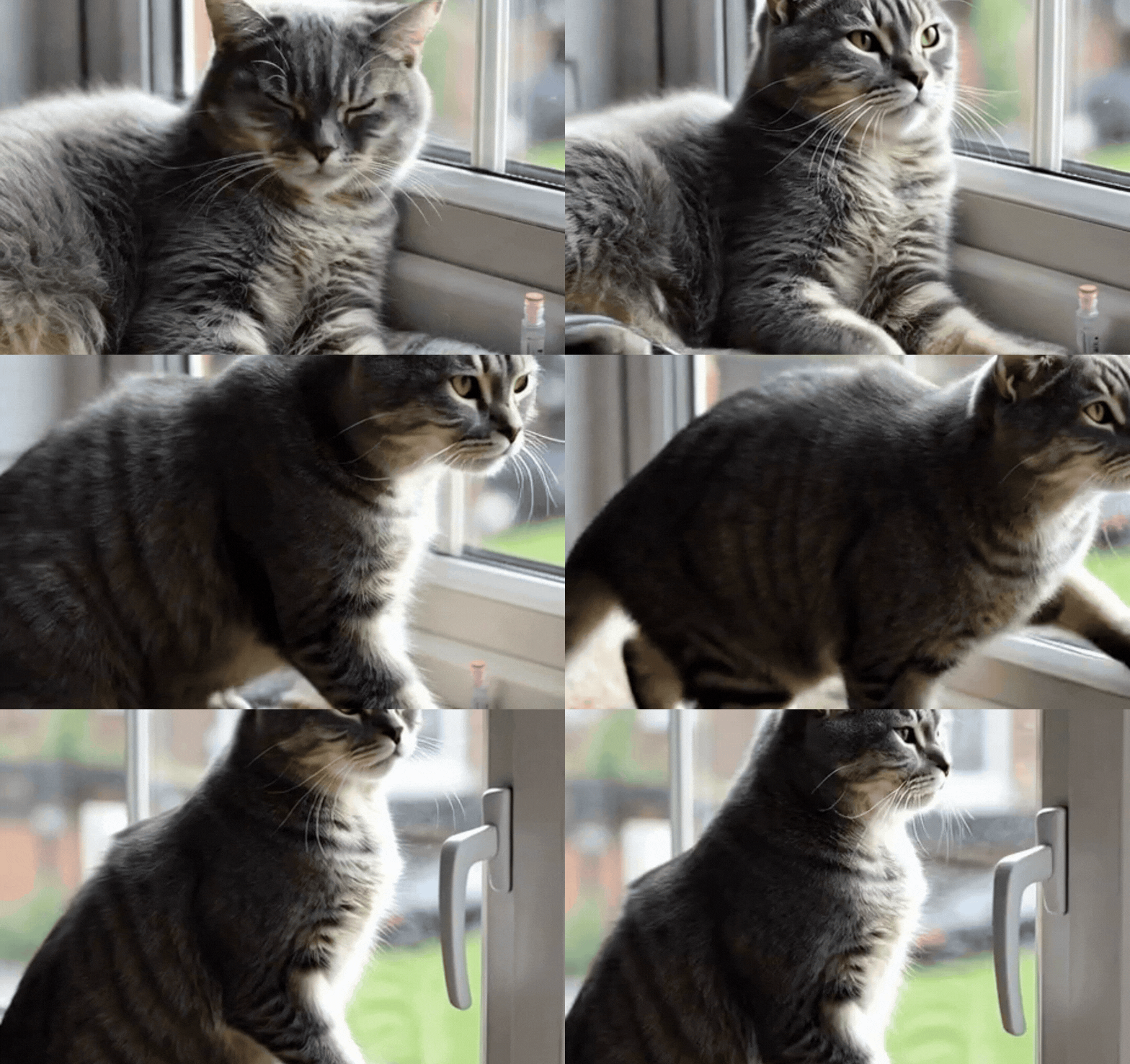
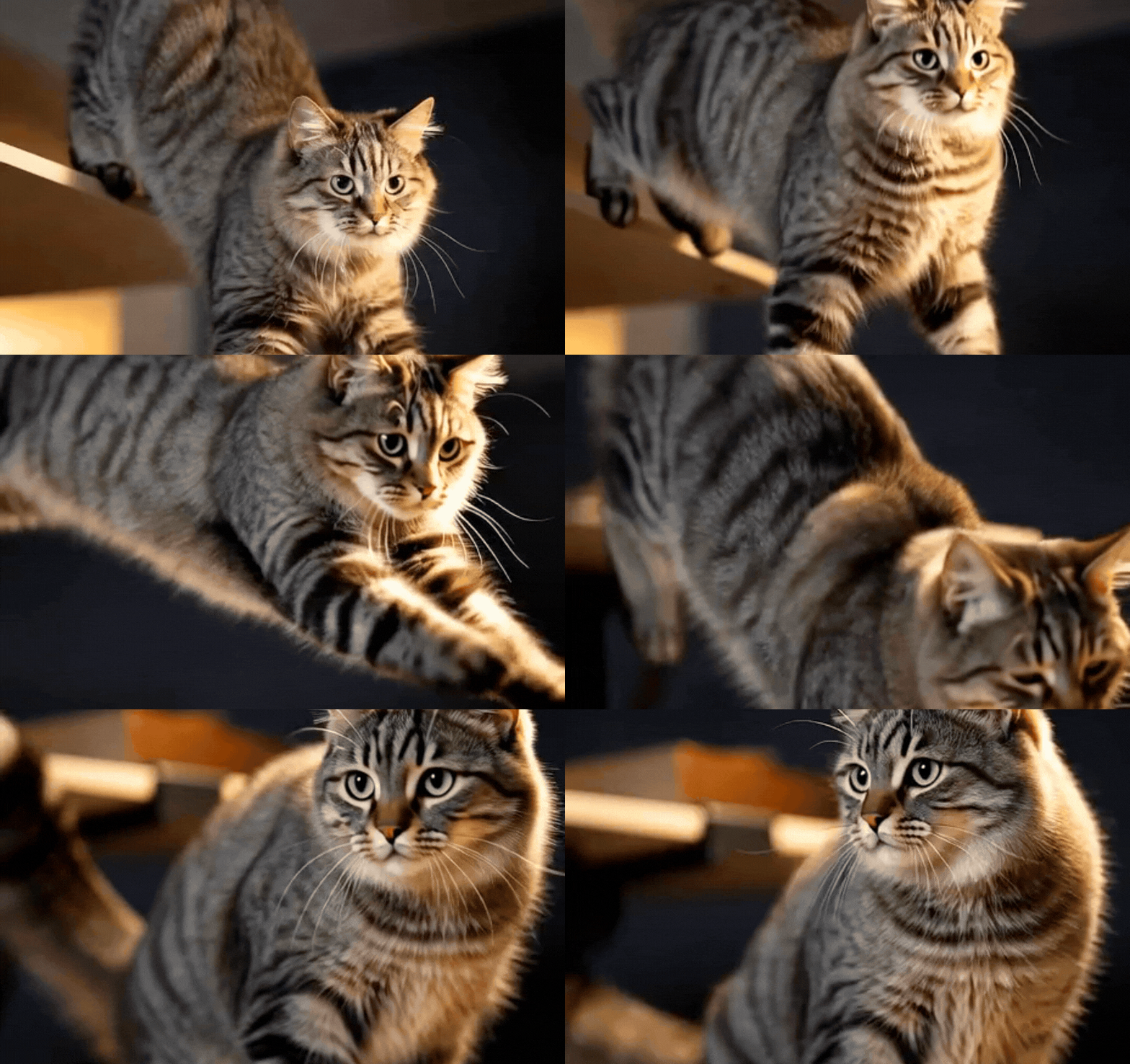
How do I travel with my cat in the car?
PURFECT TRAVEL
Travelling by car with your cat can feel daunting if they dislike new situations or get anxious easily. Many owners worry about their pet's stress, safety and comfort during journeys, but preparation makes it manageable.
Carrier Essentials
Use a sturdy, well-ventilated carrier approved for car use, ideally made from plastic or fibreglass for security. Line it with a familiar blanket or their favourite bedding to provide comfort and a familiar scent, plus absorbent pads underneath for any accidents. Secure the carrier firmly to the back seat with a seatbelt, threading it through the handle to comply with Highway Code Rule 57 on restraining pets. Never place it in the boot or on the parcel shelf, as poor ventilation risks overheating. Practice short trips at first to help your cat associate the carrier with positive experiences rather than vet visits.
Pre-Journey Preparation
Withhold food for four to five hours before travel to prevent sickness, but allow water access until departure using a clip-on bowl. Gradually acclimatise your cat by leaving the carrier out daily with treats inside, building up to short car sessions with the engine running. Check your route for pet-friendly stops with shaded parking, and pack spare bedding, litter scoop and cleaning wipes. For longer trips, plan breaks every two hours but keep your cat inside the carrier unless harness-trained. Cover three sides of the carrier with a breathable towel to reduce visual stress while ensuring airflow.
Safety During Stops
Secure the carrier in the back seat away from airbags, and never let your cat roam loose, even for short journeys, to avoid distractions or injury in sudden stops. Quick stops minimise stress, so use drive-thru services if eating, and crack windows for ventilation when parked briefly. Avoid leaving your cat alone in the car, especially in warm weather, as temperatures rise rapidly. If travelling solo, carry two keys to run air conditioning briefly while locked. Reassure them calmly with your voice if they meow, but resist letting them out to prevent escapes.
This Companion Care guide on secure carriers confirms bedding and ventilation reduce motion sickness risks during car travel. Secure restraint prevents injury, aligning with UK road safety rules.
Calming Techniques
Pheromone sprays like Feliway can soothe anxiety when applied to the carrier lining hours before departure. Play soft music or white noise to mask road sounds, and consider vet-recommended calming supplements if your cat has severe travel phobia. Speak in a steady, reassuring tone without over-excitement, helping them stay settled. Monitor for signs of distress like heavy panting or hiding, and pull over safely if needed. Short, positive drives build confidence over time for future trips.
Post-Trip Care
Upon arrival, place the carrier in a quiet room with water, litter and familiar toys before opening it slowly. Watch for delayed stress like hiding or appetite loss, offering gentle reassurance over the next day. Clean the carrier thoroughly with pet-safe products to remove any stress pheromones. Note what worked well for next time, such as specific treats or routes. Most cats recover quickly with rest and routine.
5 Simple Tips
To help your cat travel calmly by car
🐱 1. Choose a secure carrier and secure it to the back seat with a seatbelt for safety on UK roads. Practice daily by feeding treats inside to create positive links. Line with absorbent pads and familiar bedding for comfort. Start with engine-off sessions to build tolerance gradually.
🐾 2. Skip full meals four hours prior but offer water via a clip-on bowl right up to departure. This cuts sickness risk without dehydration, especially useful on motorways. Pack puppy pads as backup for longer drives over two hours. Monitor hydration by checking gums post-trip.
😊 3. Use pheromone sprays on bedding the night before to ease anxiety naturally. Cover the carrier partially for security without blocking air vents. Test short five-minute drives weekly to desensitise your cat. Reward calm behaviour with praise upon return home.
🙌 4. Plan shaded stops every two hours, keeping your cat secured inside at all times. Use drive-thrus for quick breaks to avoid leaving them unattended in heat. Carry a portable harness for trained cats needing a brief stretch. Lock the car with AC running if stepping away briefly.
💫 5. After arrival, isolate in a quiet room with essentials before release to aid decompression. Observe for 24 hours for stress signs like reduced eating. Clean gear fully to erase travel scents. Adjust future plans based on their reactions for smoother journeys.
5 Common Questions Answered
How do I travel with my cat in the car?
✍️ Q: What if my cat cries the whole way?
🐱 A: Stay calm and use a reassuring voice without stopping repeatedly, as this reinforces anxiety. Pheromone diffusers or covering the carrier helps muffle stimuli. Build tolerance with very short practice drives first. Most settle after 20 minutes as they tire.
✍️ Q: Can I let them out during stops?
🐾 A: Avoid it unless harness-trained, as escapes are common near roadsides. Keep them in the carrier for quick water checks instead. UK laybys pose risks from traffic or other animals. Practice containment for safety.
✍️ Q: How do I stop travel sickness?
😊 A: Withhold food beforehand and use travel-calming chews from vets if prone. Drive smoothly avoiding sharp turns, and position away from direct sun. Ginger treats soothe mild nausea naturally. Consult for anti-sickness meds if severe.
✍️ Q: What's best for long motorway trips?
🙌 A: Schedule every two-hour stops at services with shade and ventilation. Pack litter setup for emergencies in larger carriers. Travel overnight if your cat sleeps well then. Hydrate pre- and post-journey carefully.
✍️ Q: Is a harness better than a carrier?
💫 A: Carriers offer full protection per Highway Code, while harnesses suit trained cats only. Combine both for stops if confident. Test roaming safely at home first. Prioritise back-seat security always.
THANK YOU
Thank you for reading this post. We hope that you found it helpful and hope to you visit this page again soon. For more information, fun facts and cute photos, please follow us on social media. ❤️
Disclosure & Disclaimer: Some of the links in this blog may be affiliate links, which means we earn a small commission if you click through and make a purchase. This comes at no additional cost to you but helps support the continued production of content. We only recommend products and services we believe will add value to our audience. The content provided is solely for informational purposes. Any advice provided is based on personal experience and research and may not be suitable for everyone. Before implementing any advice, please consult with a professional to ensure it's appropriate for your specific situation. Thank you for your support.