Why do cats purr?
PUURFECT PITCH
Cat owners often wonder if purring always signals happiness, or if it hides deeper needs like stress relief or healing.
Purring Mechanics
Cats produce purrs through rapid vibrations in their larynx, triggered by brain signals to the vocal cords as they breathe in and out. This continuous rumble, at frequencies of 25-150 Hz, happens without interrupting breathing, even during rest or movement. The sound originates from the voice box, where muscles tighten and relax rhythmically. Kittens start purring within days of birth to communicate with their mother. Adult cats retain this trait across various situations.
Contentment Signals
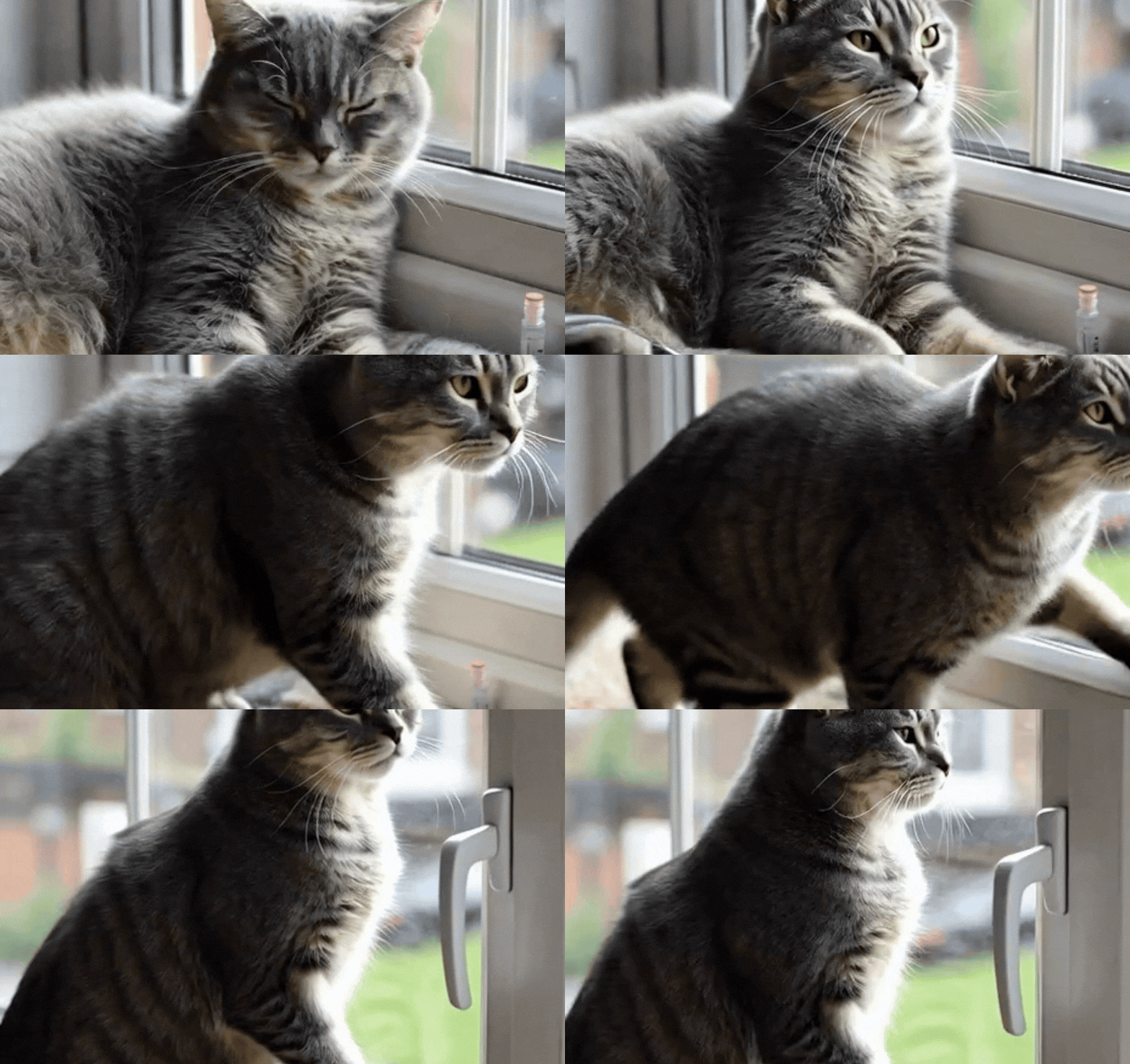
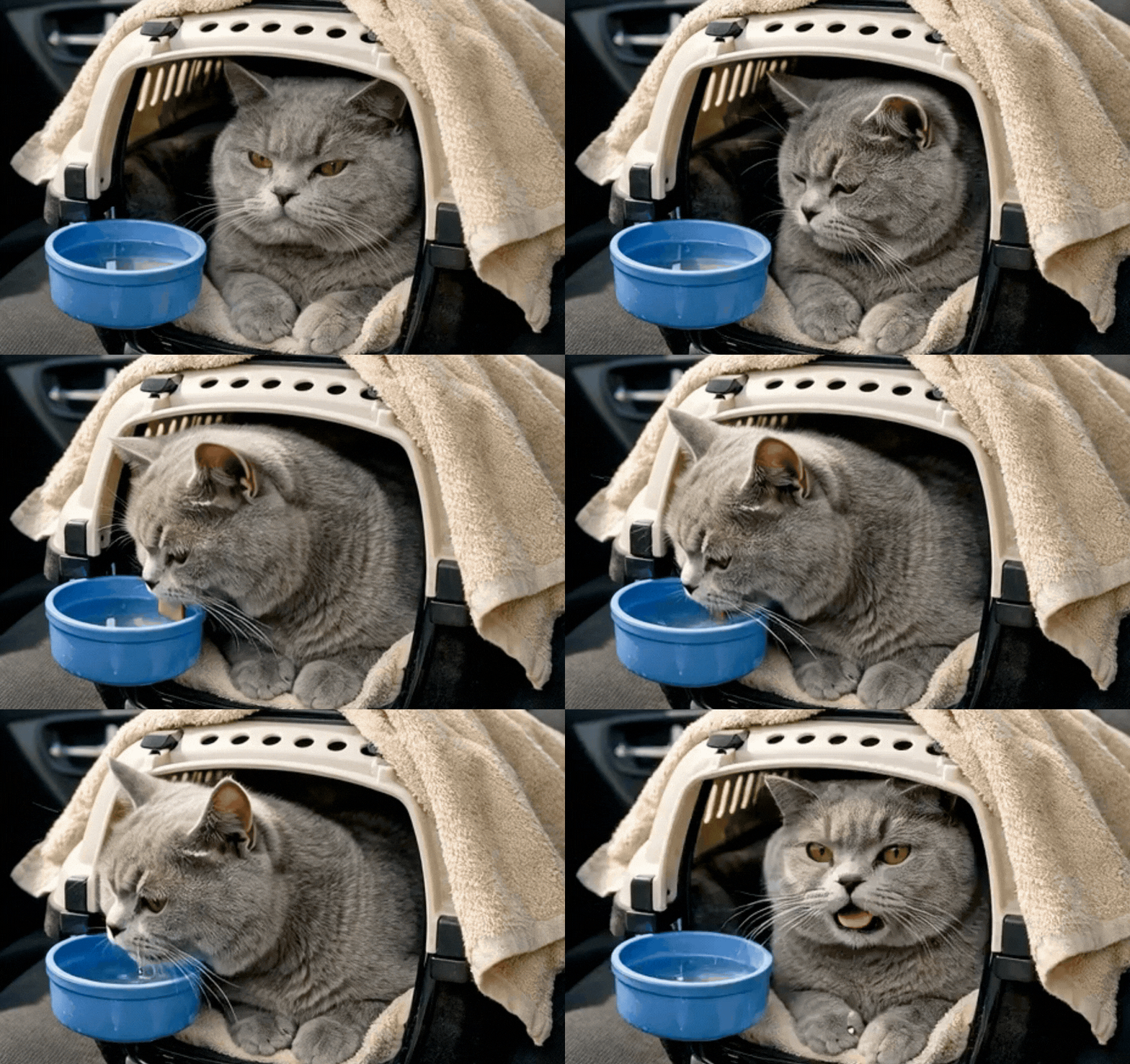
Purring most commonly shows a cat feels relaxed and content, especially when curled up, eating, or enjoying strokes on your lap. You might notice it intensify during gentle petting or in a warm, familiar spot like their favourite blanket. This behaviour reassures owners their cat feels safe at home. Breeds like British Shorthairs may purr more audibly due to their build. Watch for soft eyes and a loose body to confirm pleasure.
Healing Benefits
Cats purr to self-soothe during injury or discomfort, much like a comforting habit in stressful times, as this Cats Protection blog explains. The low-frequency vibrations may promote tissue repair, reduce swelling, and ease pain, aiding recovery from falls or fights. Owners in the UK often see this after outdoor adventures, with cats settling quietly by the radiator. It supports bone health during rest periods. Monitor for other signs like limping alongside purring.
Communication Role
Purring helps cats bond, from mothers with kittens to adults greeting family members or soliciting food. They may embed urgent cries in purrs to prompt feeding, mimicking a baby's call for human carers. It signals location quietly to avoid predators, vital for feral cats in urban UK areas. Elderly cats purr more to seek reassurance during routine changes. Paired with rubbing or kneading, it strengthens social ties.
Stress Contexts
In anxiety, cats purr as a coping mechanism, such as during vet visits or after household disruptions like fireworks. This self-calming helps lower heart rate and stabilise breathing amid unfamiliar noises. Rescue cats in new homes often purr while exploring cautiously. It differs from happy purrs by a tense posture or pacing. UK winters with shorter days can trigger more of this soothing behaviour.
5 Simple Tips
To help understand your cat's purrs
🐱 1. Observe body language alongside purring, as relaxed ears and tail mean contentment while tense muscles suggest stress. Note patterns during meals or playtime to distinguish needs. Pair this with a quiet stroke to encourage clearer signals over time.
🐾 2. Create calm spaces with soft bedding and hiding spots, reducing anxiety purrs common in multi-cat homes. Use pheromone diffusers from UK pet shops for extra reassurance during moves. Test by noting fewer stress purrs after a week.
😊 3. Record purrs on your phone during different moods to spot volume or rhythm changes over days. Compare happy lap purrs to those after outdoor trips for injury clues. Share clips with your vet for advice.
🙌 4. Respond promptly to morning or evening purrs, often hunger cues, with measured feeds to avoid overeating. Mix wet and dry food suited to UK weather for hydration. This builds trust and clearer communication.
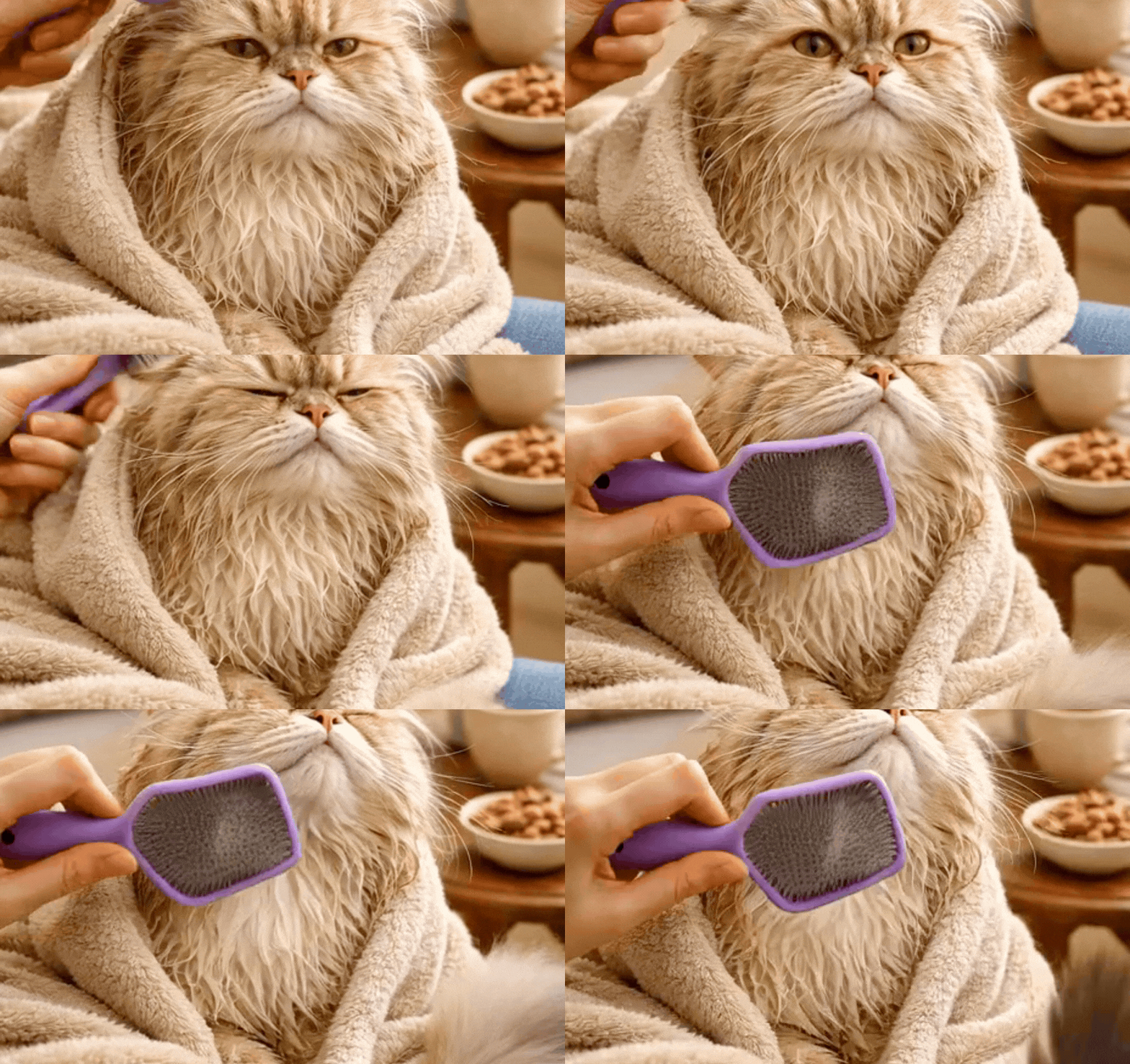
💫 5. Introduce gentle handling routines early, so purrs during touch confirm bonding rather than tolerance. Vary sessions with toys or brushes for variety. Watch for stronger, happier purrs as confidence grows.
5 Common Questions Answered
Why do cats purr?
✍️ Q: Does purring always mean my cat is happy?
🐱 A: No, while common during contentment, cats also purr when stressed, injured, or seeking food. Look at context like posture for true meaning. Relaxed eyes signal pleasure, unlike wide eyes in discomfort.
✍️ Q: Why do cats purr when poorly?
🐾 A: Purring aids self-healing by vibrating tissues to reduce pain and swelling from wounds or strains. It soothes like deep breathing during recovery. Vets note this post-fight or illness in UK cats.
✍️ Q: Can all cats purr?
😊 A: Domestic cats and small wild felines purr, but big cats like lions roar instead due to throat structure. Your pet's hyoid bone enables the rumble. Some shy cats purr silently.
✍️ Q: Why do kittens purr so much?
🙌 A: Kittens purr from birth to bond with mum, signal feeding needs, and stay safe without alerting predators. It strengthens family ties early on. Hand-reared ones purr to humans similarly.
✍️ Q: Is purring good for humans too?
💫 A: Yes, the 25-50 Hz frequency lowers blood pressure and calms nerves, easing owner stress during cuddles. Studies link it to better relaxation than music. Enjoy lap time mindfully.
THANK YOU
Thank you for reading this post. We hope that you found it helpful and hope to you visit this page again soon. For more information, fun facts and cute photos, please follow us on social media. ❤️
Disclosure & Disclaimer: Some of the links in this blog may be affiliate links, which means we earn a small commission if you click through and make a purchase. This comes at no additional cost to you but helps support the continued production of content. We only recommend products and services we believe will add value to our audience. The content provided is solely for informational purposes. Any advice provided is based on personal experience and research and may not be suitable for everyone. Before implementing any advice, please consult with a professional to ensure it's appropriate for your specific situation. Thank you for your support.