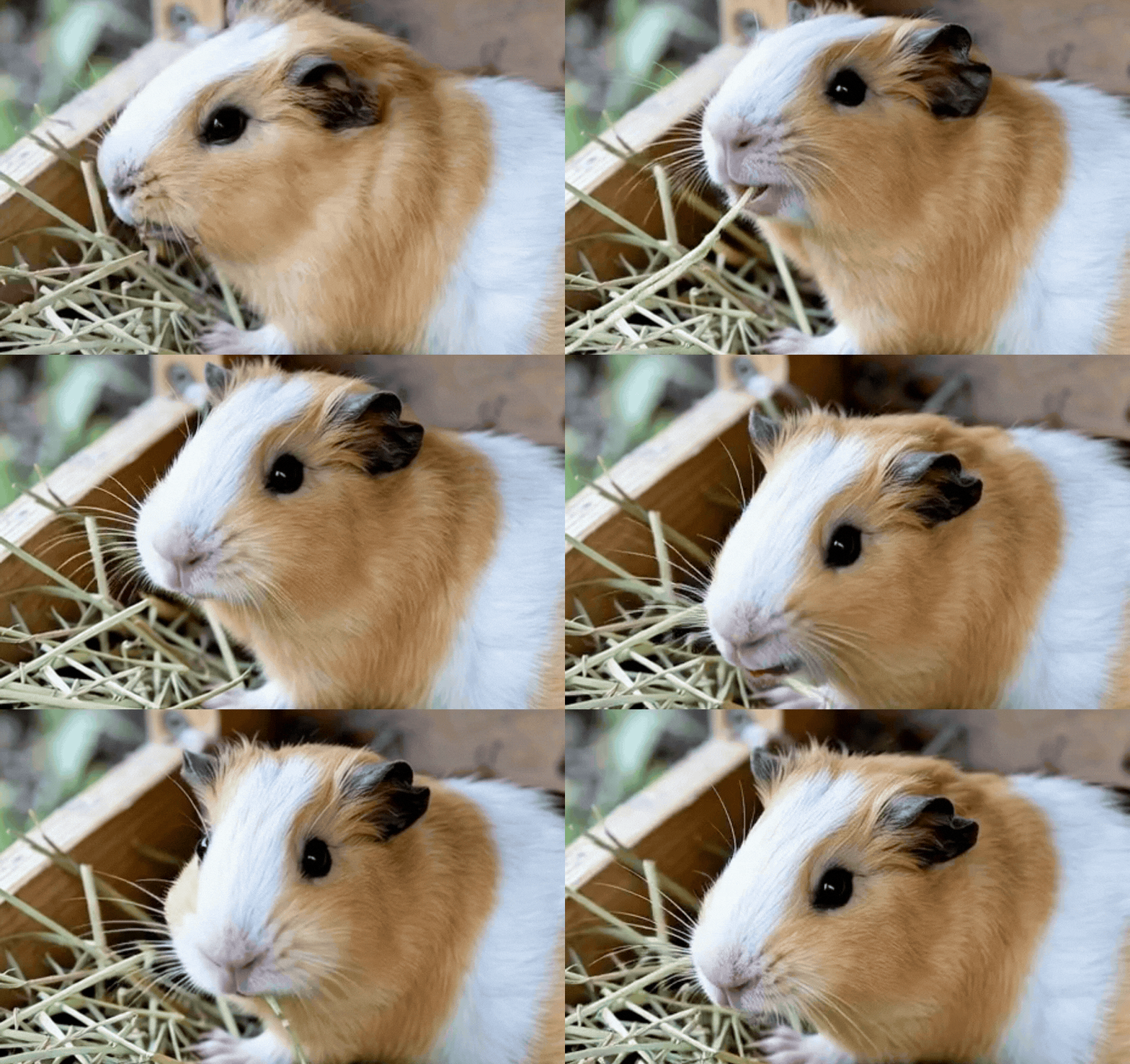
What are signs of pain or illness in guinea pigs?
GUINEA PIG HEALTH
Guinea pigs often hide signs of pain or illness due to their prey instincts, leaving owners frustrated when subtle changes signal serious problems.
Eating Changes
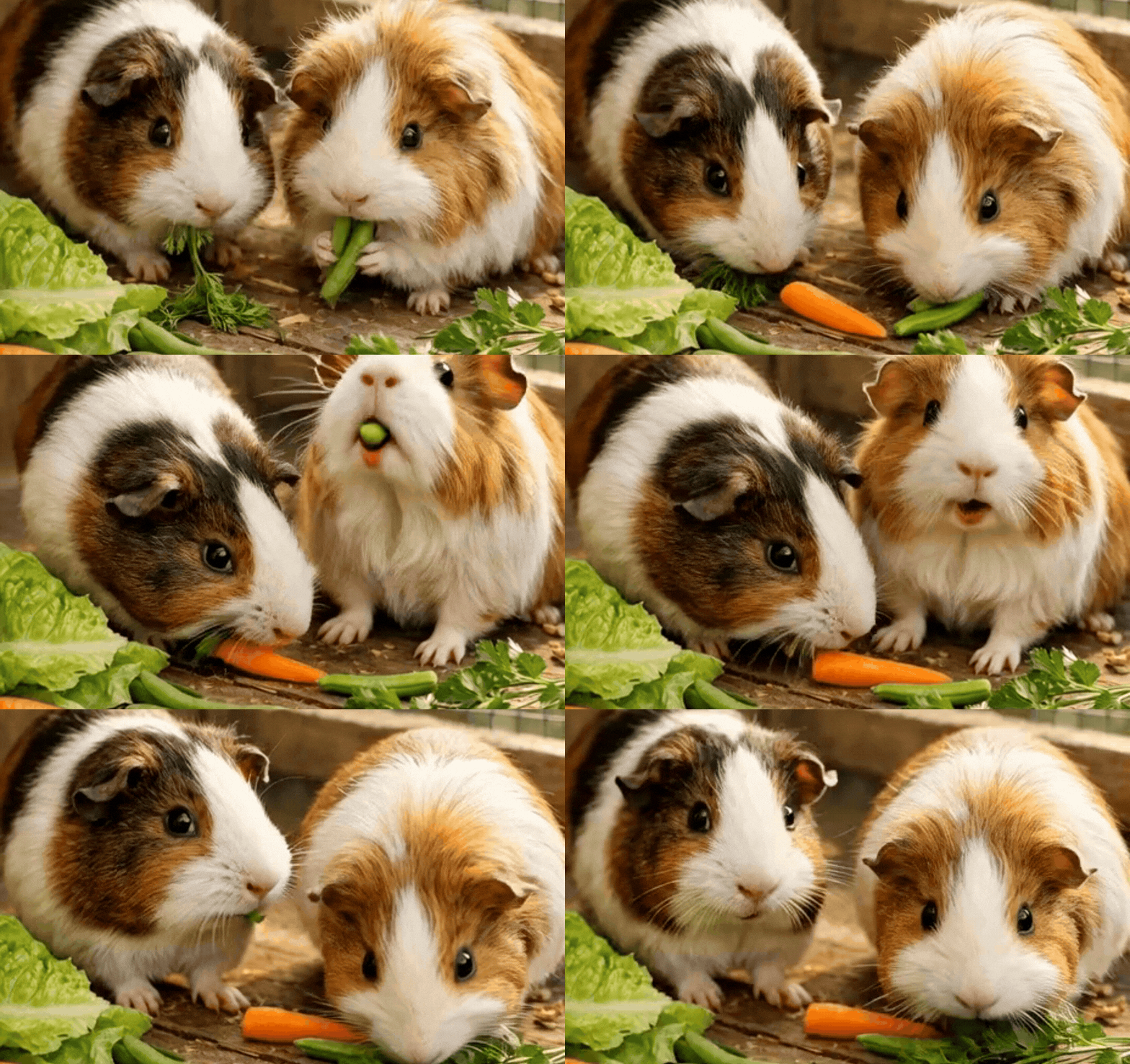
A sudden drop in appetite or picky eating often points to dental pain or gut slowdown. You might notice uneaten hay, droppings stuck to fur, or weight loss over days. Weigh your pet weekly on digital scales to catch this early, as dehydration follows quickly without intervention. Drooling or a wet chin suggests overgrown teeth, common in older guineas needing vet trims.
Posture and Movement
Hunching over or a puffed-up coat shows deep body pain, like bladder issues or arthritis. Limping, reluctance to climb ramps, or dragging back legs indicates foot problems such as bumblefoot from dirty bedding. Guinea pigs in pain may freeze in corners instead of popcorning playfully. Check feet daily for sores, especially on wire floors, and provide soft fleece liners.
Breathing and Discharge
Noisy, rapid breathing or wheezing signals respiratory infections, worsened by UK dampness in winter. Runny eyes, nose discharge, or crusty red eyes mean allergies or infections needing prompt cleaning with boiled, cooled saline. Sneezing with lethargy demands a vet visit within hours to avoid pneumonia. Keep cages dust-free with low hay dust varieties from pet shops.
Behaviour Shifts
Teeth grinding, squeaking on touch, or aggression when normally cuddly reveals discomfort anywhere from spine to gut. Less wheeking for food or isolation from cage mates shows illness progression. Older guineas over three years stiffen with age-related joint pain, so offer low ramps and warm hideaways. Sudden silence from a chatty pet warrants temperature checks below 24°C.
Skin and Coat Issues
Hair loss, flaky skin, or excessive scratching points to mites, ringworm, or poor diet lacking vitamin C. Self-barbering near sore spots like hips signals pain-related stress. Dull, staring eyes or bulging ones suggest systemic illness like cysts. Brush gently weekly and quarantine new pets to prevent spread in multi-guinea homes.PDSA guinea pig health guide confirms these coat changes often tie to pain or infection.
5 Simple Tips
To spot pain or illness early
🐭 1. Weigh daily on precise scales; a 50g drop signals dental or gut trouble fast. Track trends weekly against normal 800-1200g range for adults. Act with syringe feeding critical care formula if appetite dips, but consult vets first to avoid force-feeding risks.
🐹 2. Observe posture twice daily; hunching or fluffing fur means body ache from ovaries or bladder. Offer deep hay piles for natural comfort and note if they avoid stretching. Separate if aggression flares, as pain heightens territoriality.
🐾 3. Check eyes, nose weekly with a torch; watery or crusty signs need saline wipes and vet antibiotics. Damp UK climates breed infections, so dry cages fully post-cleaning. Isolate sneezers to protect herd mates immediately.
😊 4. Monitor poos hourly if off; fewer, smaller, or sticky ones show stasis pain. Boost hay to 80% diet and massage gently clockwise if bloated, but rush to vet for gut stimulators. Hydrate with cucumber slices for reluctant drinkers.
💫 5. Listen for grinding teeth at rest; this jaw clench screams mouth pain from spurs. Provide unlimited meadow hay for wear-down and book dental checks yearly for seniors. Fresh peppers daily prevent scurvy weakening immunity further.
📌 Important note While these tips help manage normal guinea pig behaviour, sudden changes can signal health issues. Consult your vet if concerned.
5 Common Questions Answered
What are signs of pain or illness in guinea pigs?
✍️ Q: Why has my guinea pig stopped eating hay?
🐭 A: Hay refusal often stems from dental overgrowth causing jaw pain, making chewing agony despite hunger. Wet chin drool or selective veggie picking worsens it, leading to gut stasis within 24 hours. Vet x-rays confirm spurs needing professional filing; meanwhile, soak pellets soft for nutrition.
✍️ Q: Is teeth grinding always bad?
🐹 A: Constant grinding signals acute pain from abscesses or uneven molars, unlike brief stress chattering. Pair it with drooling or weight drop for emergency dental checks vital in UK winters. Home hay variety helps prevention but not cure.
✍️ Q: What does hunching mean?
🐾 A: Hunched posture hides abdominal cramps from cysts, bloat, or UTIs common in sows over two. They avoid movement to cope, puffing fur for warmth amid fever. Warmth pads and vet pain relief restore popcorning playfulness safely.
✍️ Q: Why the runny eyes suddenly?
😊 A: Red, weepy eyes indicate infections or allergies from dusty bedding, progressing to ulcers if ignored. Clean with cotton pads daily while awaiting vet drops; quarantine prevents cage spread. UK pollen peaks aggravate this in spring.
✍️ Q: Can limping be minor?
💫 A: Limps from bumblefoot sores on hocks need immediate antibiotic cream after podding checks. Arthritis stiffens seniors, eased by glucosamine supplements post-vet okay. Uneven nails contribute, so trim monthly with styptic powder ready.
THANK YOU
Thank you for reading this post. We hope that you found it helpful and hope to you visit this page again soon. For more information, fun facts and cute photos, please follow us on social media. ❤️
Disclosure & Disclaimer: Some of the links in this blog may be affiliate links, which means we earn a small commission if you click through and make a purchase. This comes at no additional cost to you but helps support the continued production of content. We only recommend products and services we believe will add value to our audience. The content provided is solely for informational purposes. Any advice provided is based on personal experience and research and may not be suitable for everyone. Before implementing any advice, please consult with a professional to ensure it's appropriate for your specific situation. Thank you for your support.