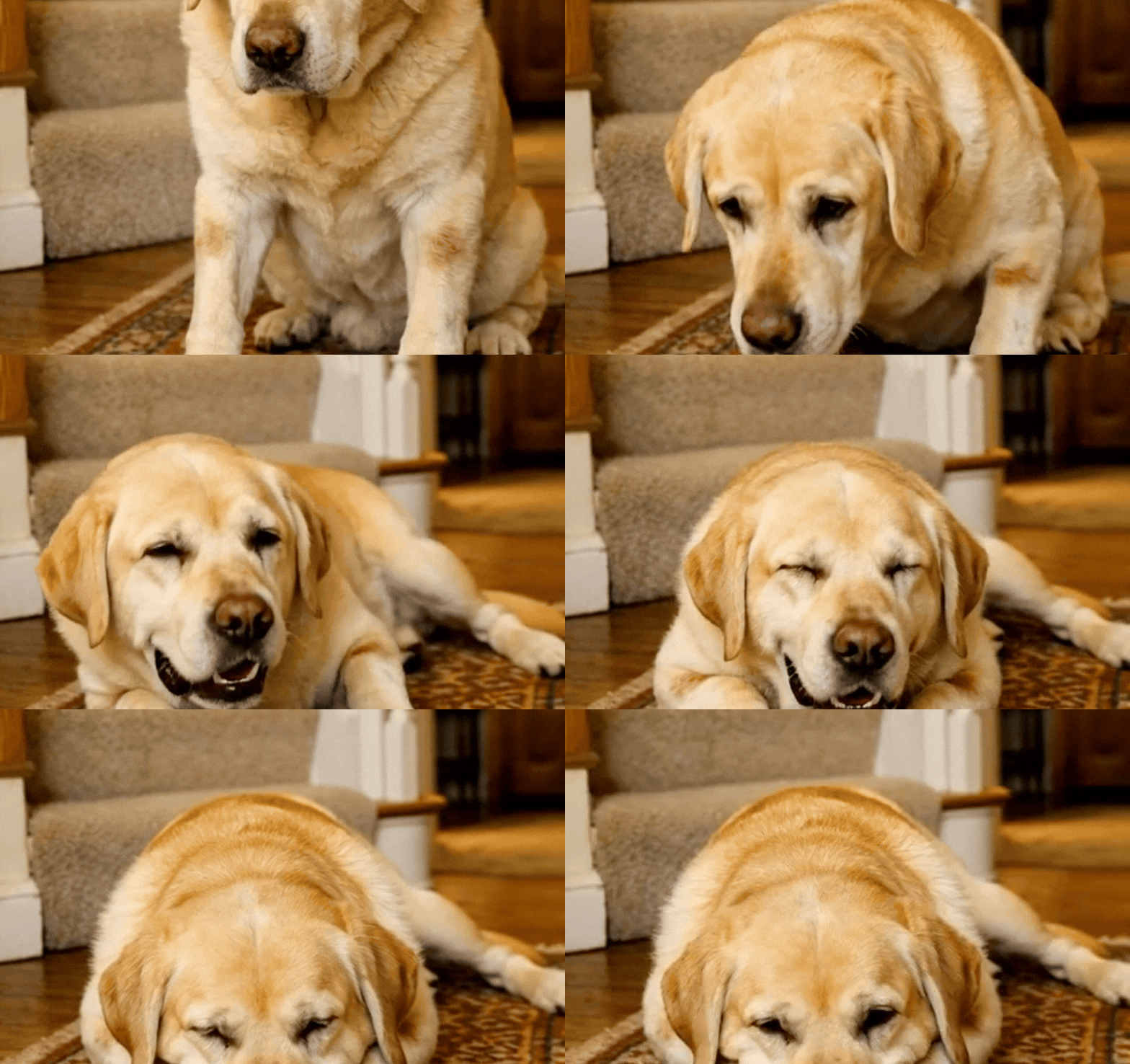
Why does my cat sleep so much?
SLEEPING BEAUTY
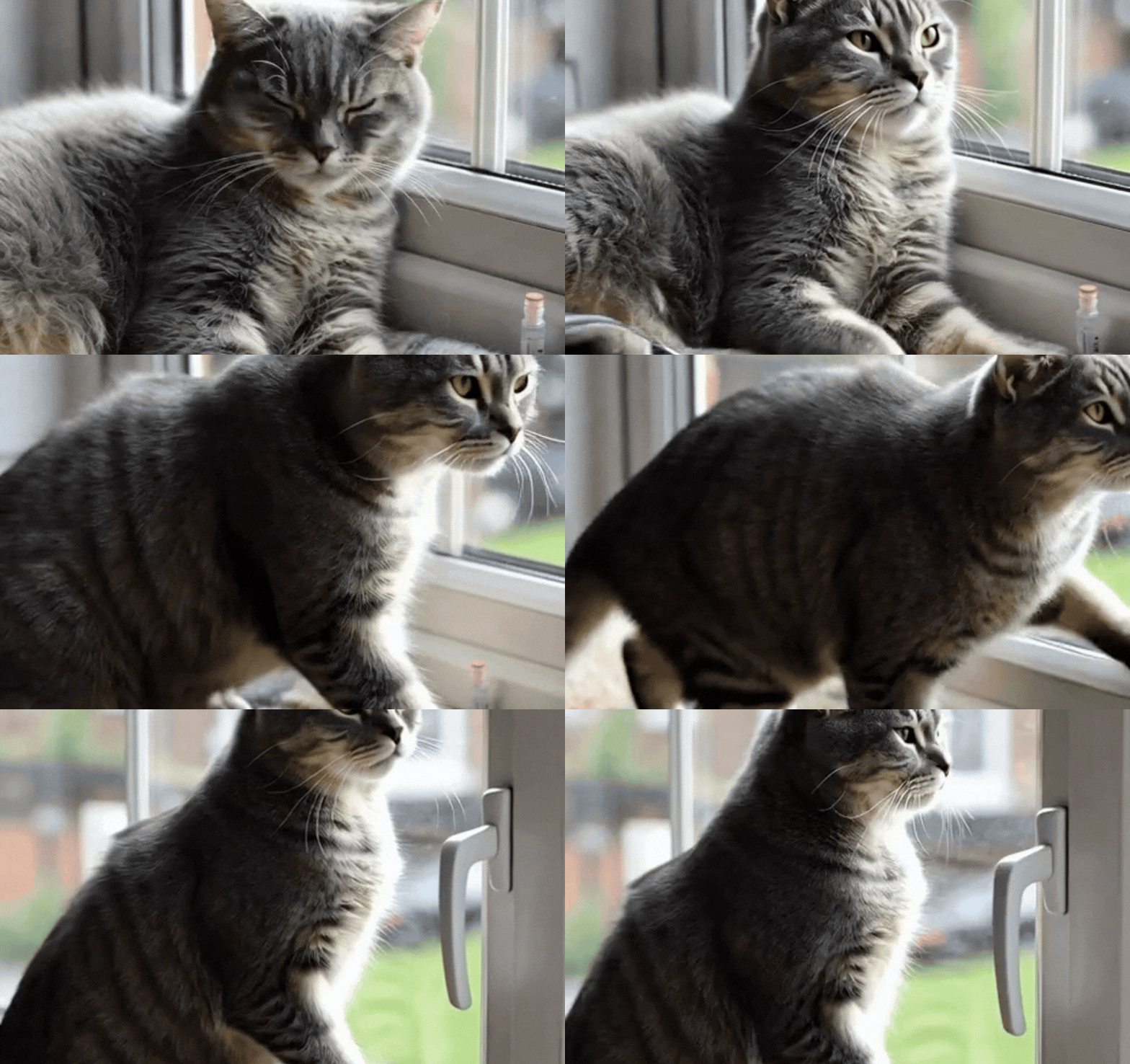
Cats naturally sleep 12 to 16 hours a day due to their instincts as predators, needing to recharge after bursts of high-energy hunting or play. Owners often worry this seems excessive compared to human sleep patterns, but it's usually a sign of contentment rather than laziness.
Natural Predator Instincts
Cats evolved as hunters, using intense bursts of energy for stalking and pouncing. This leaves them needing long rest periods to conserve strength for the next activity, even if they're domestic pets chasing toys instead of prey. Indoor cats may sleep more than outdoor ones, as they lack natural exploration demands. Kittens and seniors often exceed 18 hours, supporting growth or compensating for lower mobility.
Crepuscular Sleep Patterns
Cats are crepuscular, most active at dawn and dusk, which aligns with wild hunting times in low light. They snooze through midday and deep night to align with this rhythm, often napping in sunbeams for warmth. You'll notice them alert even in light dozes, ears twitching at sounds, ready to spring up. This pattern explains why they might wake you early, full of energy after overnight rest.
Light Naps Versus Deep Sleep
Most cat sleep is light "catnaps" lasting 15-30 minutes, keeping senses sharp against threats, with only 25% in deep REM sleep of 5-7 minutes. During deep sleep, they relax fully, perhaps twitching as they dream of chases. Safe spots like beds or boxes encourage deeper rest, while upright or one-eyed sleeps show standby mode. Age affects this, with older cats favouring longer deep phases.
Boredom or Lifestyle Factors
Bored indoor cats sleep more from lack of stimulation, turning to naps over destructive behaviours like over-grooming. Weather plays a role too, with British winters prompting extra snoozing to avoid rain or cold, as this PDSA vet guide on feline rest explains. Temperament varies, laid-back breeds like Persians napping more than active ones. Enrichment like toys reduces excess sleep from understimulation.
When to Check for Health Issues
Sudden increases in sleep can signal stress from changes like new pets, or issues like thyroid problems, pain, or infections. Monitor for other signs such as weight loss, hiding, or appetite shifts alongside lethargy. Neutered cats may sleep more calmly post-procedure, but persistent changes warrant a vet check. Track patterns over a week to spot deviations from their norm.
5 Simple Tips
To help your cat balance sleep and play
🐱 1. Introduce puzzle feeders to mimic hunting, dispensing kibble slowly during active hours. This burns mental energy, reducing boredom naps while providing meals in small bursts. Rotate toys weekly for novelty, keeping your cat engaged longer.
🐾 2. Set up vertical spaces like shelves or trees for climbing, encouraging short play sessions. Place them near windows for bird-watching stimulation without outdoor risks. This respects their crepuscular peaks, tiring them naturally before bed.
😊 3. Play actively for 15 minutes at dawn and dusk using wand toys to simulate prey. Exhaust energy bursts safely indoors, promoting deeper night sleep. End with a meal to reinforce the hunt-eat-rest cycle.
🙌 4. Create cosy, safe sleep spots in quiet areas with blankets for burrowing. Avoid disturbing light naps to let them cycle properly into deep rest. Rotate spots seasonally for comfort in UK chills.
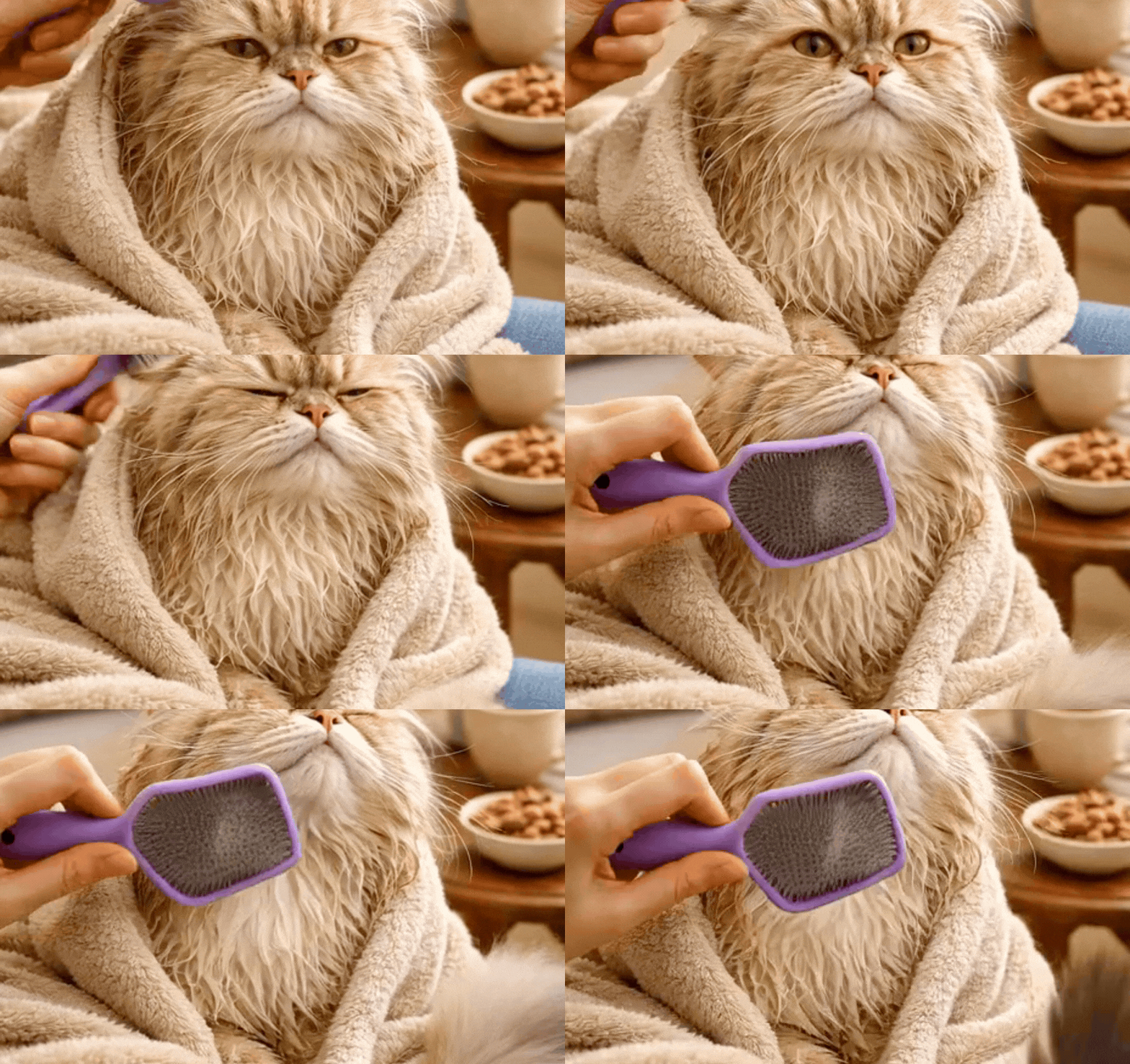
💫 5. Monitor for over-sleeping triggers like diet changes, adding omega-3s for vitality. Gentle brushing post-nap builds bond and checks coat health. Adjust litter or routine tweaks if stress seems evident.
5 Common Questions Answered
Why does my cat sleep so much?
✍️ Q: Is 16 hours normal for adults?
🐱 A: Yes, 12-16 hours suits most adult cats, varying by age and lifestyle. Kittens need up to 20 hours for development, while seniors rest more due to slower metabolism. Track against their baseline to spot issues.
✍️ Q: Why do they sleep upright sometimes?
🐾 A: This is light "standby" mode, keeping them alert to noises or movements. Ears and whiskers stay active, ready for instant reaction. It's an evolutionary trait from wild days as both hunter and prey.
✍️ Q: Does indoor living cause more sleep?
😊 A: Absolutely, without outdoor hunts, they default to rest. Combat with indoor enrichment to match wild energy use. Breeds like Siamese stay busier naturally than Persians.
✍️ Q: Can stress make them sleep excessively?
🙌 A: Yes, new homes, visitors, or routine shifts prompt hiding and naps as coping. Pheromone diffusers help calm, restoring balance. Watch for ongoing signs like poor appetite.
✍️ Q: When should I see a vet?
💫 A: If sleep jumps suddenly with symptoms like vomiting, thirst, or weakness. Routine checks catch issues early, especially in older cats. Blood tests rule out anaemia or diabetes.
THANK YOU
Thank you for reading this post. We hope that you found it helpful and hope to you visit this page again soon. For more information, fun facts and cute photos, please follow us on social media. ❤️
Disclosure & Disclaimer: Some of the links in this blog may be affiliate links, which means we earn a small commission if you click through and make a purchase. This comes at no additional cost to you but helps support the continued production of content. We only recommend products and services we believe will add value to our audience. The content provided is solely for informational purposes. Any advice provided is based on personal experience and research and may not be suitable for everyone. Before implementing any advice, please consult with a professional to ensure it's appropriate for your specific situation. Thank you for your support.