Why does my cat zoom around at night?
CAT ZOOMIES
Many cat owners lose sleep over their pet's sudden nighttime sprints, wondering if it's normal or a sign of distress.
Natural Crepuscular Rhythm
Cats are crepuscular, meaning they naturally peak in activity at dawn and dusk when wild ancestors hunted. This instinct persists in domestic cats, leading to energetic bursts as night falls. Indoor life doesn't change their body clock, so evenings trigger play-hunting behaviours. Younger cats and kittens show this most vividly due to higher energy levels.
Pent-Up Daytime Energy
Indoor cats often nap through the day while owners are out, building unused energy for evening release. Without enough daytime stimulation, like play sessions, they channel instincts into zooming around furniture or corridors. This mimics short, intense hunting chases rather than steady exercise. Breeds like Bengals or Abyssinians may amplify this trait with their high drive.
Stress or Environmental Triggers
Sudden zoomies can stem from anxiety, such as household changes or boredom in small spaces, prompting frantic energy dumps. Noisy neighbours or lack of vertical spaces like shelves exacerbate restlessness at night. Cats may also react to subtle scents or sounds from outside, mistaking quiet hours for prime exploration time. Observe patterns to distinguish fun from worry.
Litter Box or Health Links
Zoomies right after litter tray use often signal irritation from uncleanliness, crystals in urine, or worms causing itchiness. Hyperthyroidism in older cats ramps up nighttime activity, while fleas prompt wild runs to relieve bites. Arthritis pain might spur short dashes too, especially in seniors over ten years. Sudden onset in calm adults warrants a vet check for underlying issues.
Managing Evening Energy
Evening play with wand toys or laser pointers drains energy effectively before bed, aligning with their rhythm. Puzzle feeders mimic hunting, tiring them mentally in UK flats with limited space. A consistent routine, like feeding post-play, signals wind-down time. Calming pheromone diffusers help anxious cats settle faster in multi-pet homes.
5 Simple Tips
To help your cat sleep through the night
🐱 1. Schedule 15-minute play sessions at dusk using feather wands, mimicking hunts to tire them out fully. This taps their crepuscular peak, preventing stored energy from spilling into midnight runs. Rotate toys weekly for interest, avoiding overstimulation close to bedtime.
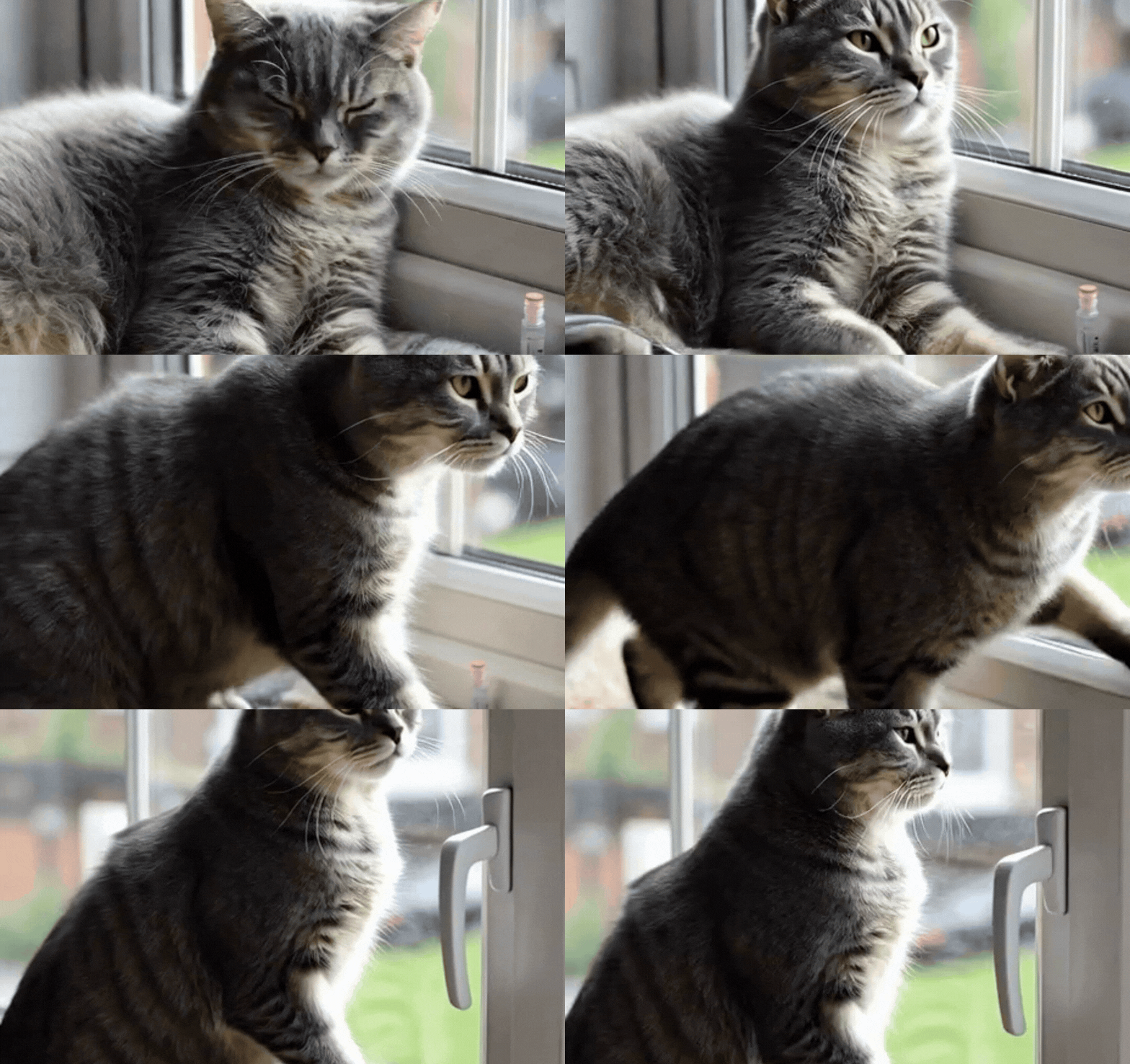
🐾 2. Offer a high perch or window hammock for daytime bird-watching, satisfying curiosity without zoomies. UK weather limits outdoor access, so this indoor option burns mental energy safely. Add a bird feeder outside to extend engagement naturally.
😊 3. Feed a small meal after play, as full tummies promote sleep like post-hunt rest in the wild. Wet food works best for hydration in dry home air. Avoid free-feeding to build evening anticipation.
🙌 4. Keep litter trays spotless twice daily, as discomfort sparks post-use dashes common in long-haired breeds. Use clumping litter suited to UK damp climates for easy upkeep. Check for urine crystals if patterns persist.
💫 5. Dim lights and reduce noise from 9pm, creating a calm den-like atmosphere for sensitive cats. Blackout curtains block streetlights that trigger alertness. Consistency reassures them it's rest time.
5 Common Questions Answered
Why does my cat zoom around at night?
✍️ Q: Is this normal behaviour?
🐱 A: Yes, it's typical for crepuscular cats expressing natural hunting instincts through evening sprints. Most healthy cats under five years do this regularly without harm. It reduces as they age with proper stimulation. Monitor for excess if over 50 daily dashes.
✍️ Q: When should I worry?
🐾 A: Worry if zoomies start suddenly in older cats, pair with weight loss, or follow litter use persistently. These signal thyroid issues or pain, needing vet blood tests. Appetite changes or vocalising alongside warrant prompt checks. Track duration over a week.
😊 Q: How can play help?
🙌 A: Interactive toys at twilight exhaust them physically and mentally, cutting nighttime episodes by half in trials. Laser pointers suit flat living but end with a catchable toy to avoid frustration. Sessions build bonding too.
✍️ Q: Does diet affect it?
💫 A: High-protein evening meals satisfy hunter instincts, promoting sleep over prowling. Avoid carbs that spike energy unevenly. UK brands like Lily's Kitchen offer kitten formulas for sustained release in active adults.
✍️ Q: What about calming aids?
🐱 A: Pheromone diffusers like Feliway reduce stress-linked zoomies in 80 percent of cases within days. They're vet-recommended for multi-cat homes or moves. Combine with routine for best results without sedation.
THANK YOU
Thank you for reading this post. We hope that you found it helpful and hope to you visit this page again soon. For more information, fun facts and cute photos, please follow us on social media. ❤️
Disclosure & Disclaimer: Some of the links in this blog may be affiliate links, which means we earn a small commission if you click through and make a purchase. This comes at no additional cost to you but helps support the continued production of content. We only recommend products and services we believe will add value to our audience. The content provided is solely for informational purposes. Any advice provided is based on personal experience and research and may not be suitable for everyone. Before implementing any advice, please consult with a professional to ensure it's appropriate for your specific situation. Thank you for your support.