Why is my cat over-grooming or losing fur?
CATS OVER GROOMING
Cat owners often worry when they notice bald patches or excessive licking, fearing it signals a serious health issue or discomfort.
Medical Causes
Over-grooming frequently stems from skin irritations like allergies to food, pollen, or fleas, which prompt cats to lick relentlessly for relief. Flea allergies often show as hair loss near the tail base, while ear mites cause scabbing around the neck and ears. Bacterial infections, ringworm, or conditions like hyperthyroidism can also trigger this behaviour, leading to sores if unchecked. Pain from arthritis or urinary issues may make cats groom more to self-soothe. A vet check rules out these, as patterns of fur loss offer clues to the root problem.
Stress Triggers
Environmental changes, such as a new home, family member, or rearranged furniture, commonly spark stress-related over-grooming known as psychogenic alopecia. Cats lick to release calming endorphins, but this can become compulsive, especially in sensitive breeds like Siamese or Burmese. Boredom in understimulated indoor cats exacerbates it, turning grooming into a habitual coping mechanism. Chronic household chaos or owner stress can influence cats, who pick up on subtle shifts. Calming pheromones or extra play help restore balance alongside addressing the trigger.
When to See a Vet
Sudden over-grooming or symmetrical bald patches warrant a prompt vet visit to exclude medical issues before assuming stress. Vets examine skin scrapes, blood tests, or allergy trials. Delaying risks secondary infections from broken skin or swallowed fur causing blockages. Note any accompanying signs like twitching or rippling skin, which point to feline hyperaesthesia syndrome. Early intervention prevents worsening.
Home Management Steps
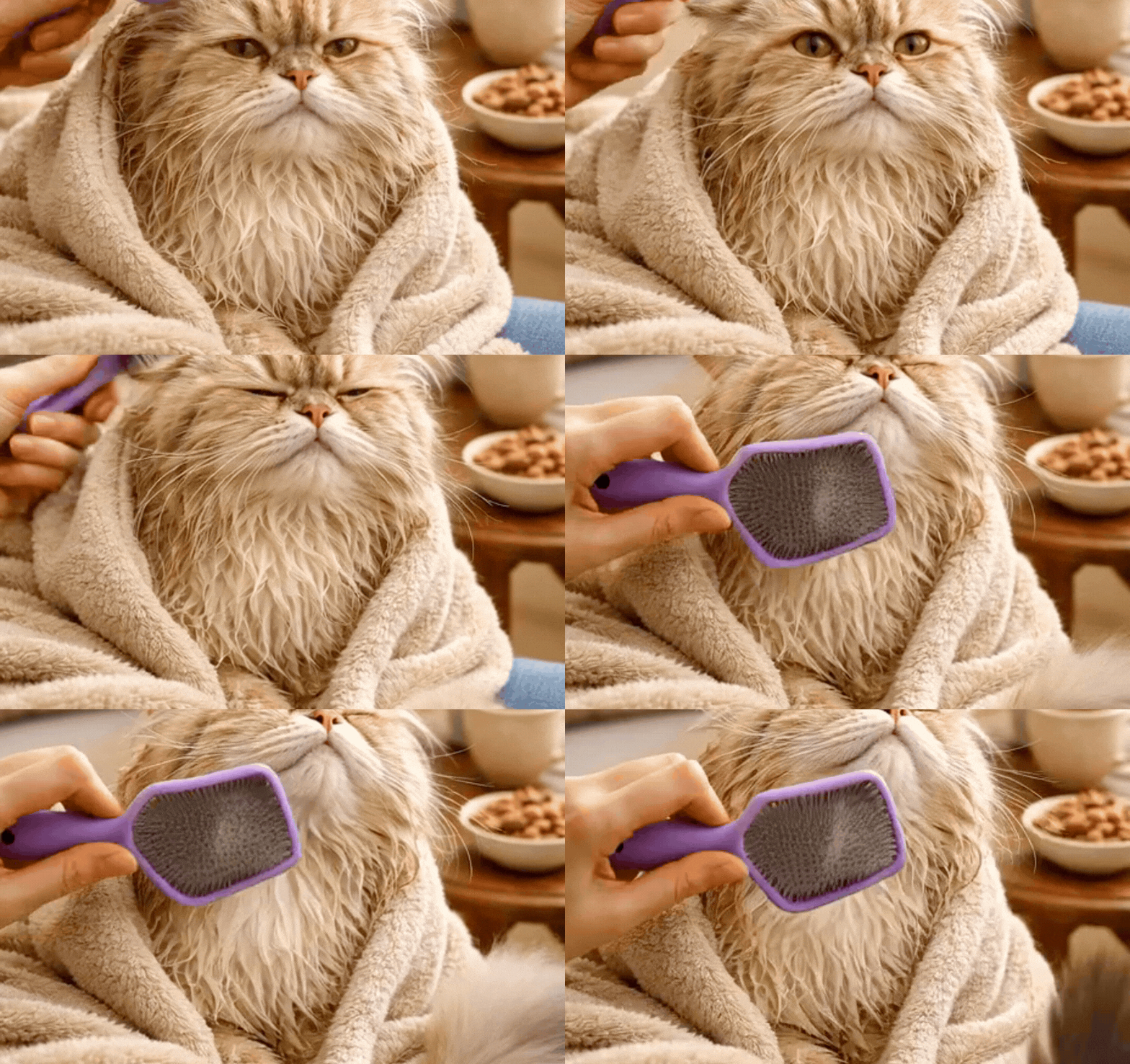
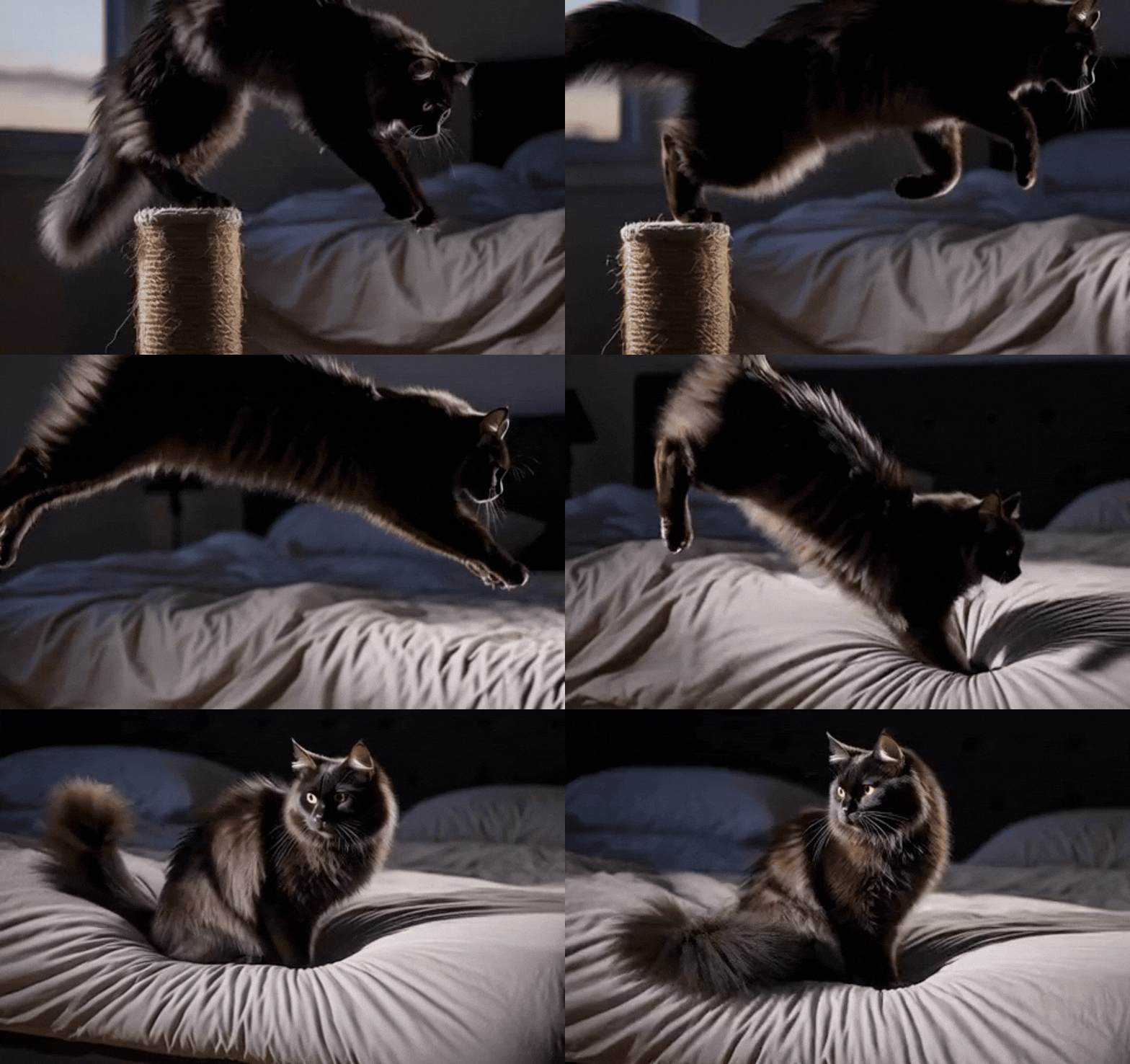
Enrich your cat's space with scratching posts, window perches, and interactive toys to combat boredom and reduce stress grooming. Use flea preventatives year-round, suited to UK climates, and hypoallergenic bedding to minimise allergens. Gentle brushing removes loose fur, cutting hairball risks from over-licking, while diet trials exclude food sensitivities. Avoid punishing the behaviour, as it heightens anxiety; instead, distract with play during episodes. Track patterns in a diary to share with your vet for tailored advice.
Prevention Strategies
Maintain a stable routine with predictable feeding and playtimes to reassure territorial cats prone to anxiety. Regular health checks catch early signs of thyroid issues or pain common in older cats. Introduce changes gradually, like new pets, using separate spaces initially. A balanced wet food diet supports skin health, reducing allergy flare-ups in moisture-prone UK homes. Monitor for seasonal pollen spikes, wiping paws after outdoor time to limit irritants.
5 Simple Tips
To help stop over-grooming
🐱 1. Check for fleas daily with a fine comb over white paper, focusing on the tail base where irritation starts. Use vet-recommended spot-ons monthly, even indoors, as one flea triggers cycles. This cuts allergy risks fast. Combine with frequent hoovering of soft furnishings.
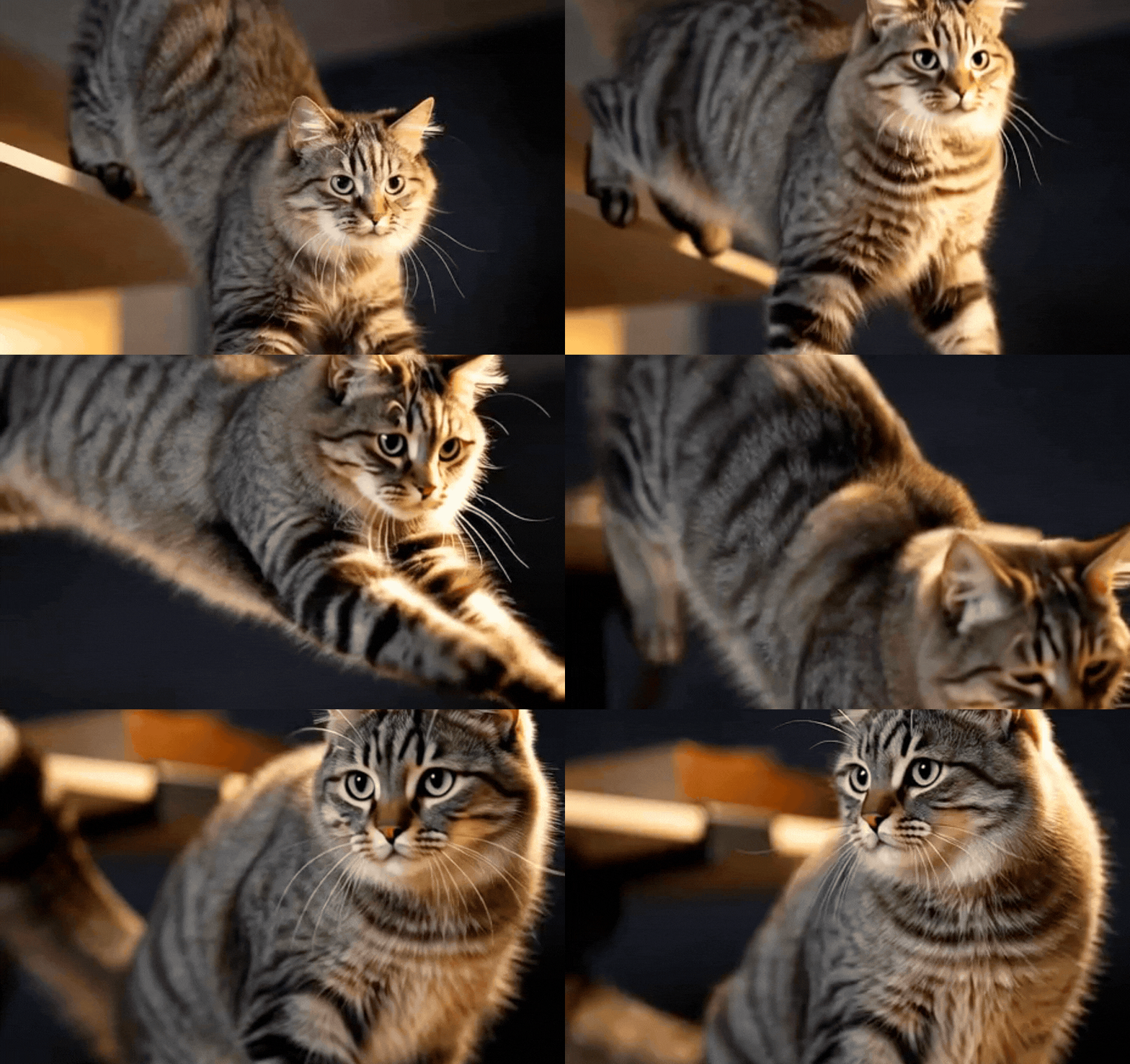
🐾 2. Add puzzle feeders and wand toys for 15 minutes twice daily to ease boredom. Rotate toys weekly to mimic hunting, reducing stress licks. Elevated perches let cats survey their territory safely. Watch stress drop within days.
😊 3. Plug in synthetic pheromone diffusers near favoured spots for calming effects. These mimic facial scents cats deposit naturally. Replace every six weeks for steady results. Ideal for multi-cat homes or newcomers.
🙌 4. Switch to a novel protein wet food trial for eight weeks under vet guidance. This identifies food allergies causing itch. Monitor stool and coat improvements closely. Hydration aids skin barrier function.
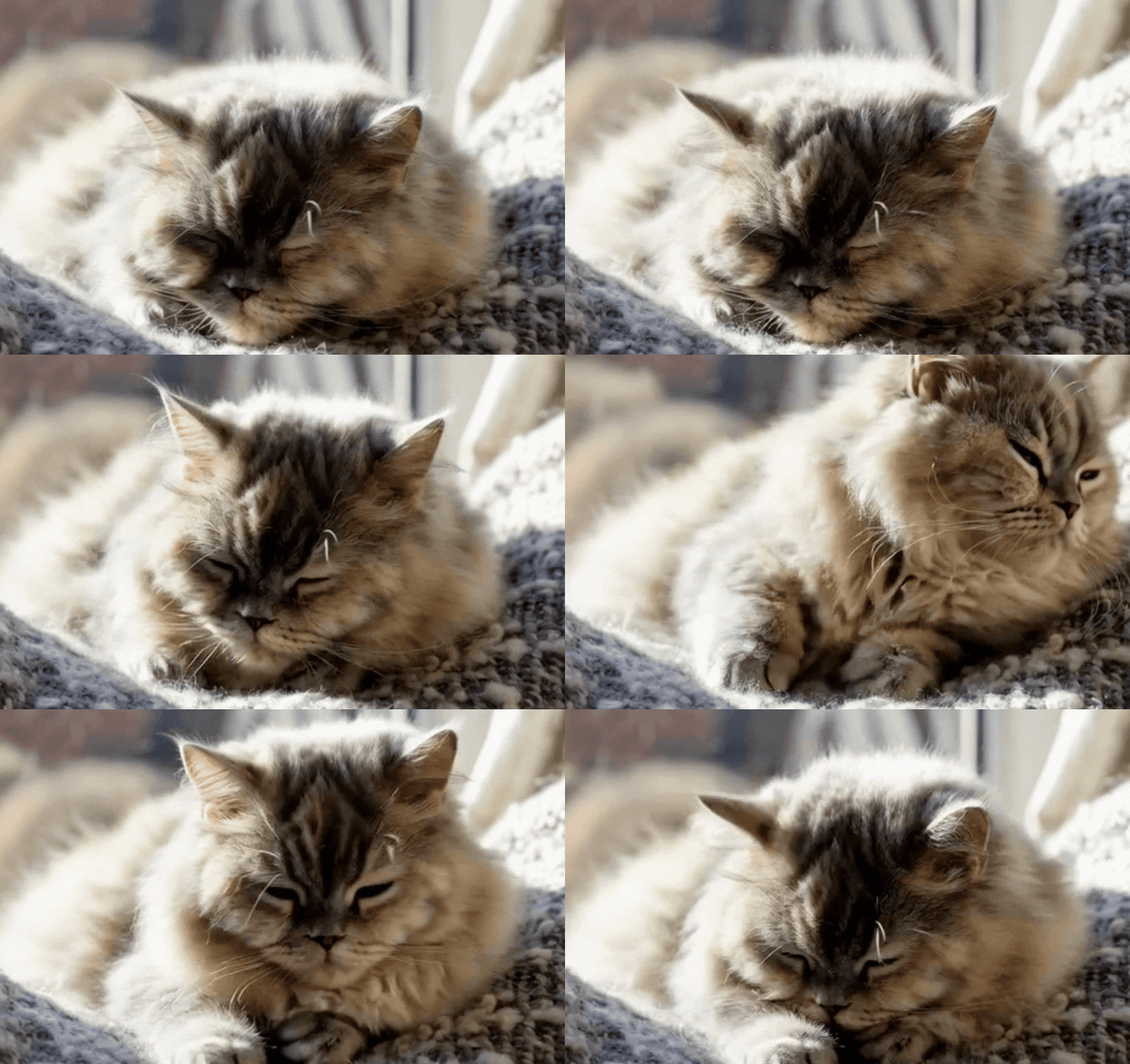
💫 5. Brush gently three times weekly with a soft tool to remove dead hair painlessly. Reward with treats to build positive links. This prevents ingested fur blockages while bonding calmly. Note any sore areas for vet alerts.
📌 Important note While these tips help manage normal cat behaviour, sudden changes can signal health issues. Consult your vet if concerned.
5 Common Questions Answered
Why is my cat over-grooming or losing fur?
✍️ Q: Does stress alone cause bald patches?
🐱 A: Stress triggers psychogenic alopecia after medical issues are ruled out, leading to even belly baldness from compulsive licking. Cats self-soothe via endorphins, but it escalates without environmental fixes. Breeds like Orientals are prone, so enrich routines early. Vets confirm via elimination tests.
✍️ Q: How do I spot flea allergy over-grooming?
🐾 A: Look for red skin and thin fur at the lower back or tail, with intense biting. Even one flea bite sparks dermatitis in sensitive cats. Comb weekly and treat all pets proactively. UK dampness favours fleas year-round.
✍️ Q: Can diet fix over-grooming?
😊 A: Food trials rule out proteins like beef causing allergies, with new growth in four to six weeks. Opt for fish or duck variants initially. Wet foods hydrate skin too. Track via photos for progress. Vet oversight avoids pitfalls.
✍️ Q: What's feline hyperaesthesia like?
🙌 A: Cats chase phantom itches with rippling skin, frantic grooming of back or tail. Pain mixes with behaviour, needing meds plus stress relief. Rare but distressing, so film episodes for vets. Calming aids help manage flares.
✍️ Q: How long until fur regrows?
💫 A: Healthy regrowth takes six to eight weeks post-treatment, faster with good nutrition. Protect areas from licks using cones short-term. Patience pays, as rushed fixes risk cycles. Moisturise dry skin gently.
THANK YOU
Thank you for reading this post. We hope that you found it helpful and hope to you visit this page again soon. For more information, fun facts and cute photos, please follow us on social media. ❤️
Disclosure & Disclaimer: Some of the links in this blog may be affiliate links, which means we earn a small commission if you click through and make a purchase. This comes at no additional cost to you but helps support the continued production of content. We only recommend products and services we believe will add value to our audience. The content provided is solely for informational purposes. Any advice provided is based on personal experience and research and may not be suitable for everyone. Before implementing any advice, please consult with a professional to ensure it's appropriate for your specific situation. Thank you for your support.