Why Do Dogs Eat Grass? The Surprising Truth Behind This Common Habit
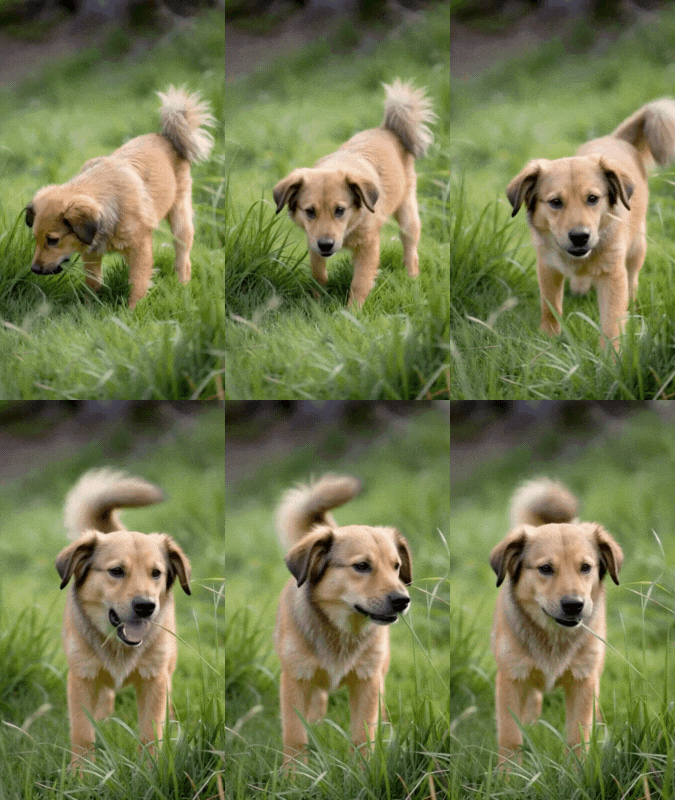
If you've ever watched your dog happily munching away on the lawn during a walk, you've probably wondered what's going on. It's one of those quirky behaviours that leaves many owners puzzled and sometimes a bit worried.
Eating grass is actually incredibly common among dogs, and in most cases, it's completely normal and harmless. Far from being a sign of something wrong, many dogs simply enjoy the taste and texture, especially when the grass is fresh and lush in spring or summer.
Debunking the Myths: It's Not Always About Feeling Sick
A lot of owners assume their dog eats grass to make themselves vomit when they're unwell. While some dogs do throw up afterwards, this happens far less often than you might think. Fewer than one in four dogs are sick after grazing, and even fewer show any signs of illness beforehand. So, the idea that dogs deliberately eat grass as a way to settle an upset tummy doesn't hold up for the majority.
That said, grass can provide some natural roughage, helping with digestion in dogs who might need a bit more fibre to keep things moving smoothly. It's also been observed in wild canines, suggesting it could be an instinctive behaviour passed down through the generations.
When to Keep an Eye on Things
Occasional grass nibbling is nothing to fret about, but if your dog suddenly starts eating large amounts, seems obsessed with it, or skips their regular meals in favour of greenery, it's worth a chat with your vet. Excessive grazing could point to boredom, anxiety, or rarely, an underlying issue that needs checking.
To keep your dog safe while they're out enjoying the garden or park, make sure the grass hasn't been treated with chemicals, and consider lungworm prevention, as slugs and snails can carry risks. With a balanced diet, plenty of exercise, and regular check-ups, most dogs thrive alongside their harmless lawn-snacking habit.