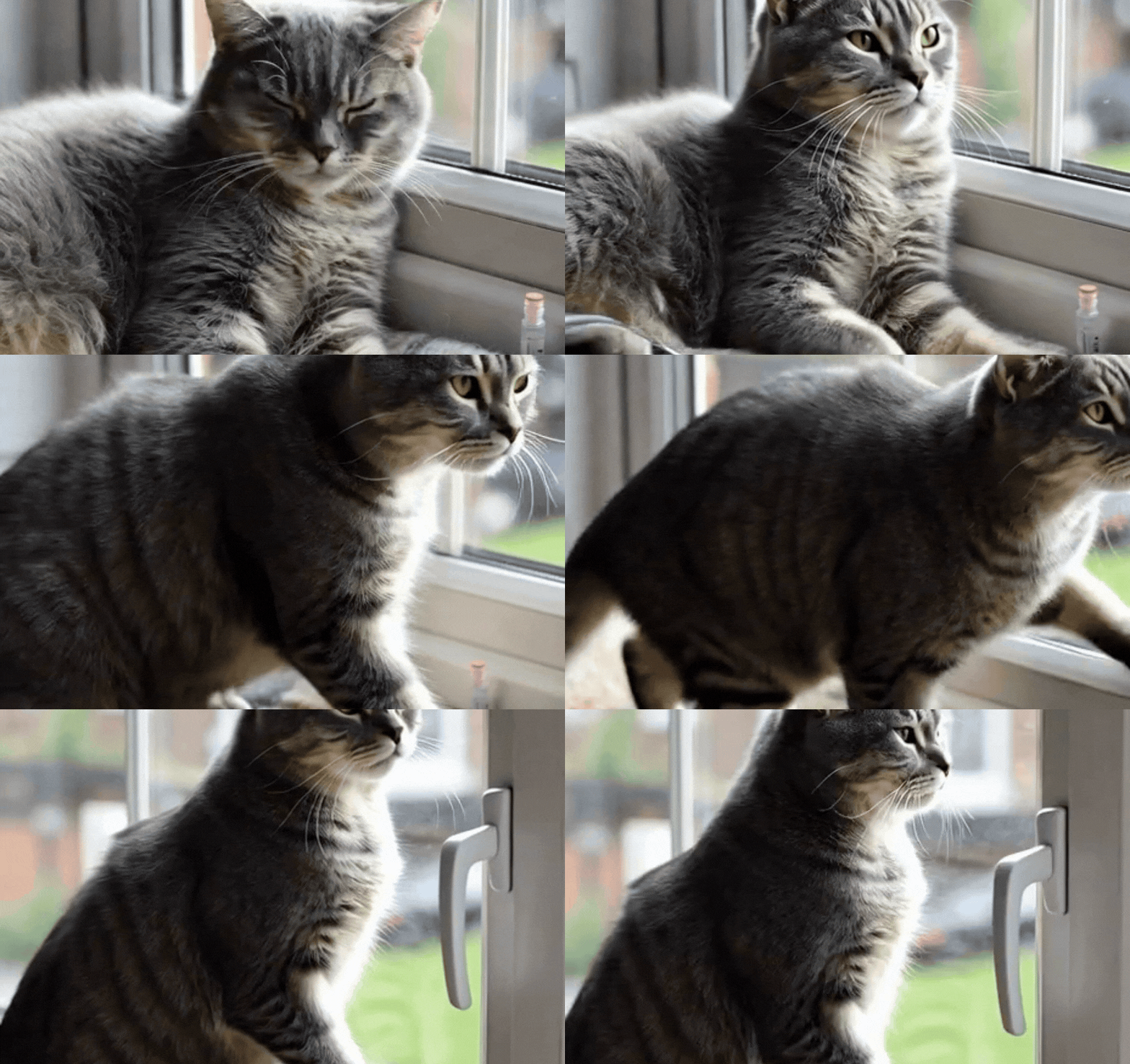
Why does my cat bring me dead animals?
CATS HUNTING INSTINCS
Many cat owners feel a mix of horror, confusion and even guilt when their beloved pet proudly presents them with a dead mouse, bird or vole.
Understanding your cat’s natural hunting instinct Cats are obligate carnivores with a deeply wired hunting drive, even when they’re well fed at home. Domestic cats retain the same instincts as their wild ancestors, and catching prey is both a natural behaviour and a source of mental stimulation. Bringing the catch home is actually a very common feline habit, especially in cats who feel safe and secure in their territory. Many experts consider this a form of “gift giving”, where your cat views you as part of their social group and wants to share the spoils of the hunt. For reliable information on feline behaviour and instincts you can read more about
normal cat hunting patterns.
The surprising reasons behind the “gifting” behaviour While it can feel gruesome to us, your cat isn’t trying to upset you, instead they are displaying a very positive social signal. Mother cats teach their kittens to hunt by bringing them dead or injured prey, so adult cats often repeat this caring behaviour with the humans they feel responsible for. Some cats also bring prey because they want to show off their skill, or because they see you as a rather clumsy hunter who needs help learning to eat. In multi-cat households the behaviour can be more frequent as cats compete to demonstrate their prowess. Trusted guidance on cat behaviour explains that this is rarely a sign of hunger and more often a demonstration of affection and inclusion.
How your home environment influences hunting Cats who have access to the outdoors are far more likely to bring you presents simply because they have the opportunity to hunt. Indoor-only cats may still stalk and “hunt” toys, insects or even your feet, but they rarely have real prey to bring home. Providing plenty of interactive playtime using wand toys, laser pointers and puzzle feeders can help satisfy the hunting instinct indoors and reduce the drive to go outside looking for live prey. Creating a stimulating indoor environment with high perches, hiding spots and regular play sessions supports good species-appropriate care and often leads to fewer outdoor hunting excursions.
What this behaviour tells us about your cat’s wellbeing A cat who brings you frequent gifts is usually feeling confident, healthy and relaxed in their home. It’s a sign they trust you and consider you family. However if the hunting suddenly increases dramatically or your cat seems obsessed with hunting at the expense of eating, playing or resting, it can sometimes point to stress, boredom or an underlying health issue. Keep an eye on your cat’s overall behaviour, appetite and energy levels to make sure the hunting remains part of normal, happy feline life.
What you can do to reduce unwanted hunting If you’d prefer fewer feathered or furry presents, there are several gentle, welfare-friendly steps you can take. Fitting your cat with a quick-release safety collar and a small bell or Birdsbesafe collar cover can reduce successful catches without stopping the fun of hunting. Keeping your cat indoors during peak bird hunting times (dawn and dusk) or using timed automatic feeders to make sure they’re not hungry when they go out can also help. Enriching the indoor environment and playing with your cat twice a day for 10–15 minutes usually makes the biggest difference.
5 Simple Tips
To help understand and manage hunting behaviour
🐱 1. Accept the behaviour as love, not spite. Your cat sees you as family and wants to provide for you the way a mother cat cares for kittens, so try to feel flattered even when disposing of the gift feels unpleasant.
🐾 2. Praise calmly and remove the prey quickly. A quiet “good job” followed by prompt disposal prevents your cat from thinking you want them to keep repeating the behaviour for attention.
😊 3. Boost indoor hunting games. Use feather wands, kick toys and treat-dispensing puzzles daily to satisfy the chase-kill-eat sequence without real prey.
🙌 4. Consider a bell or Birdsbesafe collar. These simple additions let your cat enjoy the thrill of stalking while giving birds and small mammals a better chance of escape.
💫 5. Time outdoor access wisely. Keeping your cat indoors at dawn and dusk when most birds are active can dramatically reduce the number of catches without restricting their freedom completely.
📌 Important note While these tips help manage normal cat hunting behaviour, sudden changes in hunting patterns, appetite or energy can signal health issues. Consult your vet if concerned.
5 Common Questions Answered
Why does my cat bring me dead animals?
✍️ Q: Is my cat hungry if they bring me dead animals?
🐱 A: Almost never. Domestic cats usually hunt for sport, instinct and pleasure rather than because they’re hungry. Well-fed cats are actually the most prolific hunters because they have the energy and confidence to chase prey.
✍️ Q: Should I punish my cat for bringing me dead animals?
🐾 A: No, punishment will only confuse and stress your cat. They see the gift as an act of sharing and love, so telling them off can damage your bond. Simply remove the prey calmly and redirect their energy into play.
✍️ Q: Do all cats bring home prey?
😊 A: Not all, but many do, especially outdoor cats between 1–7 years old. Indoor-only cats, very elderly cats, or cats who were poor hunters as kittens are much less likely to bring gifts.
✍️ Q: Will neutering stop my cat hunting?
🙌 A: Neutering reduces roaming and fighting but usually has little effect on hunting behaviour. The instinct to hunt is separate from reproductive hormones, so don’t expect it to stop the presents completely.
✍️ Q: How can I stop my cat hunting birds?
💫 A: Bells, Birdsbesafe collars, keeping your cat indoors during peak bird activity times, and providing lots of stimulating indoor play all help reduce bird catches while letting your cat enjoy being a cat.
THANK YOU
Thank you for reading this post. We hope that you found it helpful and hope to you visit this page again soon. For more information, fun facts and cute photos, please follow us on social media. ❤️
Disclosure & Disclaimer: Some of the links in this blog may be affiliate links, which means we earn a small commission if you click through and make a purchase. This comes at no additional cost to you but helps support the continued production of content. We only recommend products and services we believe will add value to our audience. The content provided is solely for informational purposes. Any advice provided is based on personal experience and research and may not be suitable for everyone. Before implementing any advice, please consult with a professional to ensure it's appropriate for your specific situation. Thank you for your support.