Why do cats like boxes so much?
CATS LOVE BOXES
Cats often ignore pricey toys for a simple cardboard box, leaving owners puzzled about this quirky obsession.
Instinctive Security
Cats seek enclosed spaces as a throwback to their wild ancestors, who hid in caves or burrows to avoid predators. A box offers a safe vantage point where they can watch the world without feeling exposed. This den-like refuge helps them feel in control, especially in busy UK homes with children or other pets. Smaller breeds like British Shorthairs may squeeze into tighter boxes for extra reassurance.
Stress Reduction
Boxes act as a natural stress-buster during changes like moving house or introducing new family members. The confined space lowers cortisol levels, mimicking the calming effect of a mother's nest for kittens. In multi-cat households, common in terraced homes, boxes prevent fights by providing personal hideaways. Studies show shelter cats with boxes adapt faster to new routines.
Temperature Control
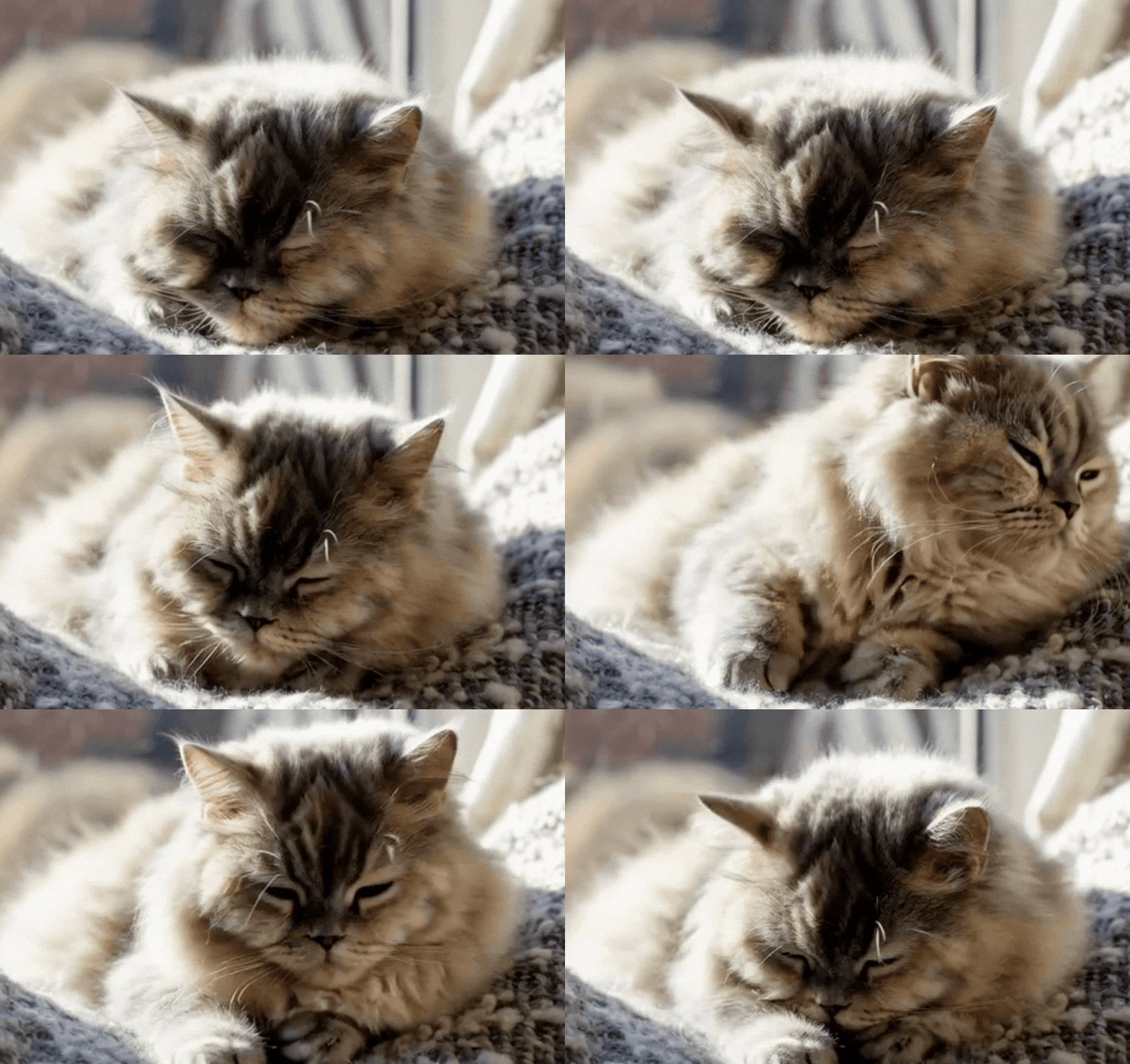
Cardboard insulates well, trapping a cat's body heat to keep them cosy in drafty UK winters. Cats prefer 30-38°C, far warmer than our typical 20°C indoors, so curling up in a box maintains their ideal warmth. This is vital for older cats or those with thin coats like Siamese, who feel the chill more. Avoid plastic alternatives, as they lack breathability and can overheat.
Play and Hunting Drive
Boxes spark a cat's predatory instincts, turning them into ambush zones for toys or feet passing by. The edges provide perfect scratching surfaces, satisfying natural claw-sharpening needs without ruining furniture. Rotate boxes weekly to keep play fresh, using sizes from shoebox to appliance cartons for variety. This entertains high-energy breeds like Bengals indoors year-round.
Warmth and Comfort Boost
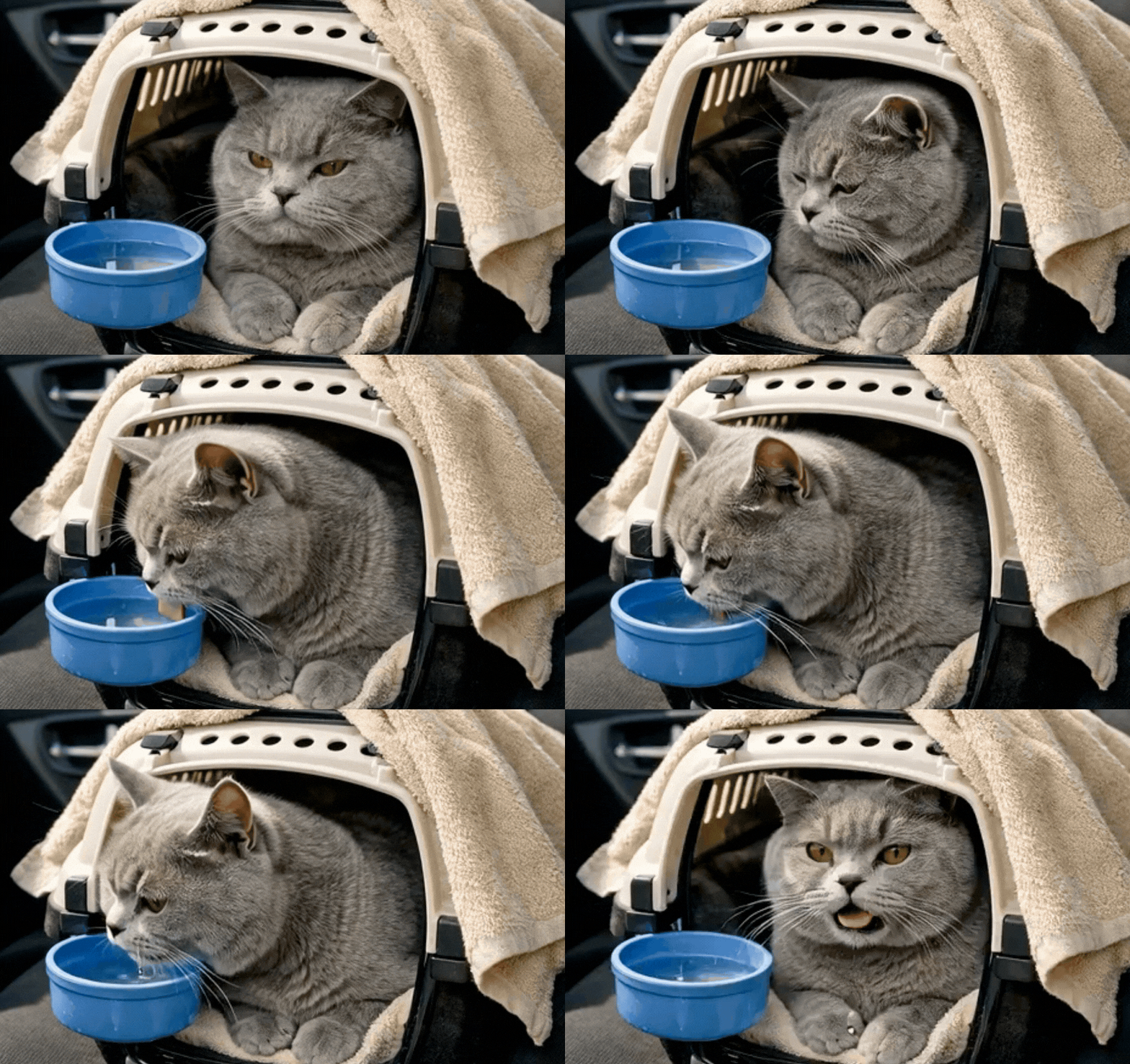
The snug fit forces cats to curl tightly, conserving heat and promoting deep sleep much like a weighted blanket for humans. Cardboard's texture feels good under paws, unlike slippery cat beds that slide away. For UK owners, line boxes with old towels for extra hygiene and comfort during rainy seasons. As this PDSA toy guide confirms, boxes enable play, sleep and hiding.
5 Simple Tips
To help your cat enjoy boxes safely
🐱 1. Choose sturdy, medium-sized boxes without tape or staples to avoid injury. Cut entry holes at both ends for easy escape and added fun. Start with one per cat, placing in quiet spots away from radiators. Refresh every few weeks to prevent dust buildup.
🐾 2. Line with breathable fabrics like fleece blankets, ideal for chilly UK evenings. This adds scent familiarity, boosting comfort. Wash linings weekly to control fleas, common in damp climates. Avoid synthetics that trap moisture.
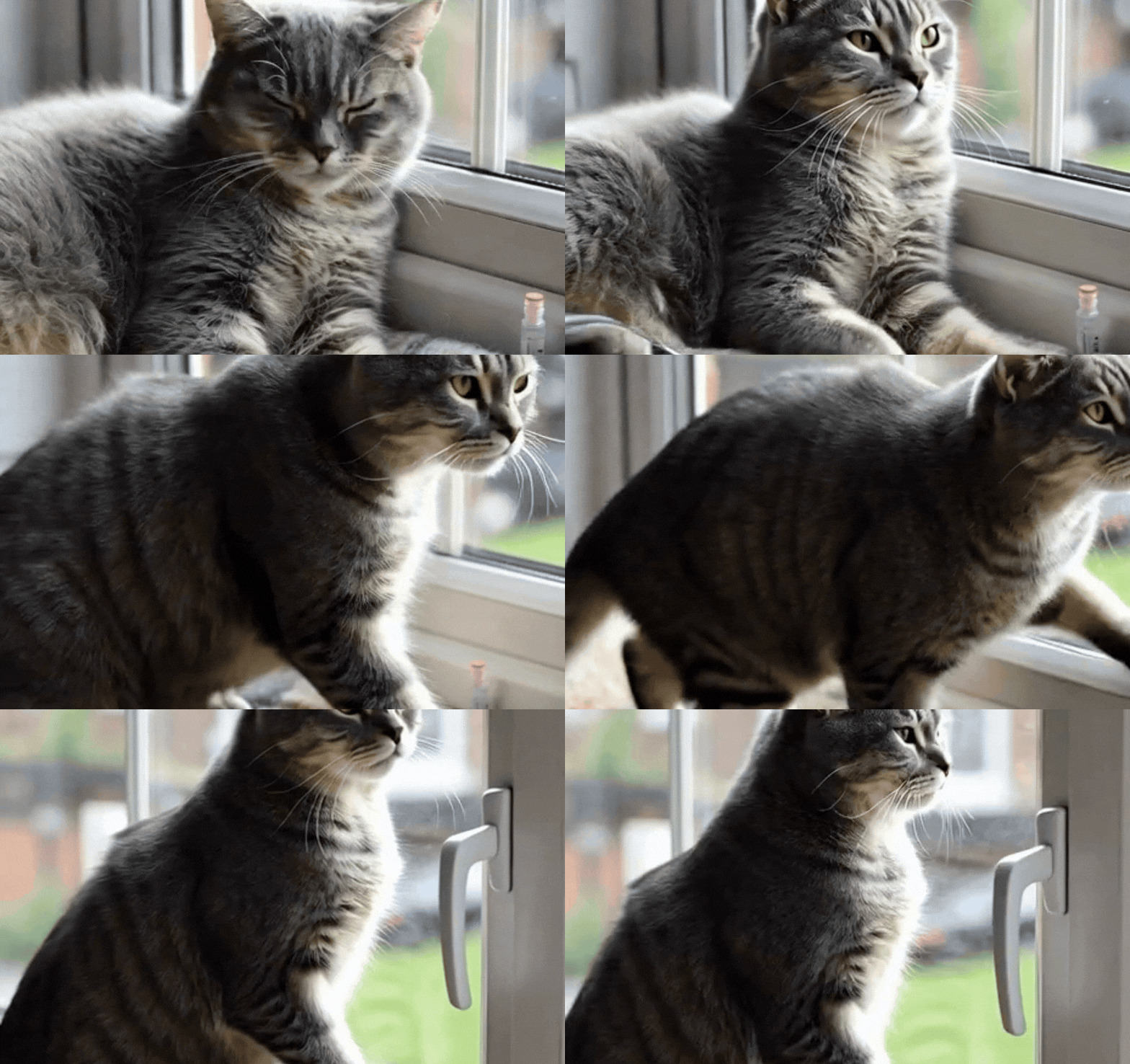
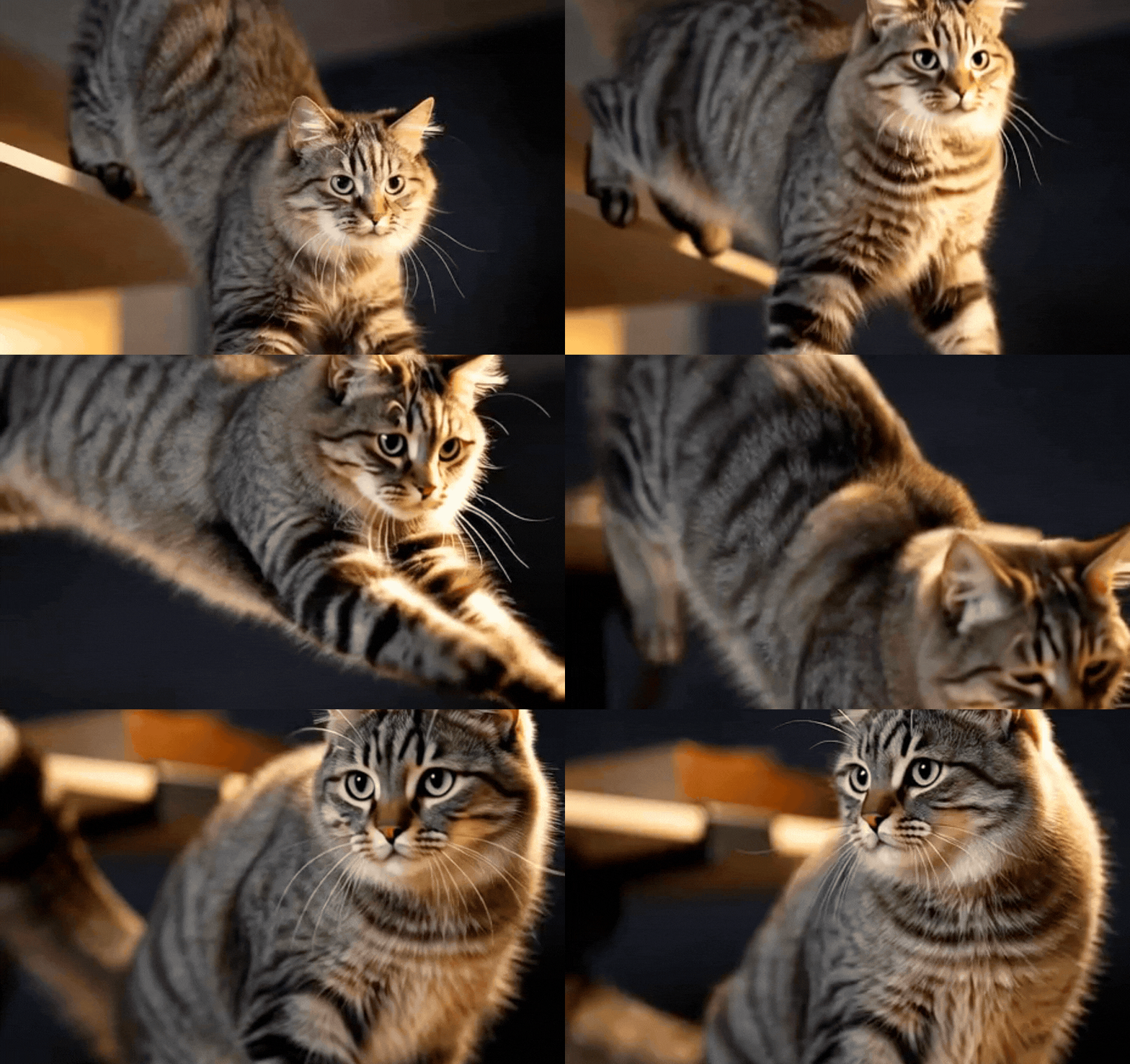
😊 3. Position near windows for bird-watching, combining safety with stimulation. Elevate on shelves for adventurous climbers like Abyssinians. Monitor for over-hiding, which might signal anxiety. This setup mimics natural perches.
🙌 4. Cut shapes for tunnels or towers from multiple boxes, taped securely. Introduce toys inside to encourage pouncing play. Supervise initially to ensure stability, preventing tumbles. Great for flat-dwelling cats with limited space.
💫 5. Recycle clean boxes regularly, as worn ones harbour bacteria. Pair with scratching pads nearby to redirect claws. This keeps your home tidy while meeting feline needs. Observe preferences to refine setups over time.
5 Common Questions Answered
Why do cats like boxes so much?
✍️ Q: Is box obsession normal behaviour?
🐱 A: Yes, it's a healthy instinct reflecting security needs and playfulness. Most cats engage from kittenhood, choosing boxes over beds due to enclosure. If excessive, check for household stressors like loud noises. Neutered cats show less territorial box-guarding.
✍️ Q: Why small boxes over big ones?
🐾 A: Tight fits maximise warmth and protection, forcing a compact curl. Larger spaces feel vulnerable, like open plains to wild cats. UK Persians with fluffy coats especially favour snug spots. Experiment with sizes to match your cat's build.
✍️ Q: Do boxes help anxious cats?
😊 A: Absolutely, they reduce stress by offering control in uncertain settings. Rescue cats settle quicker with access, per welfare studies. Place near litter trays for reassurance post-neutering. Combine with pheromone diffusers for best results.
✍️ Q: Can boxes replace cat trees?
🙌 A: Partially, as they provide scratching and hiding, but lack vertical climb. Use boxes at tree bases for hybrid enrichment. Cost-effective for budget-conscious owners. Rotate to prevent boredom in small homes.
✍️ Q: When to worry about box love?
💫 A: Rarely an issue unless paired with appetite loss or aggression. This signals illness like hyperthyroidism, common in seniors. Consult your vet for sudden changes. Routine checks catch problems early in UK climates.
THANK YOU
Thank you for reading this post. We hope that you found it helpful and hope to you visit this page again soon. For more information, fun facts and cute photos, please follow us on social media. ❤️
Disclosure & Disclaimer: Some of the links in this blog may be affiliate links, which means we earn a small commission if you click through and make a purchase. This comes at no additional cost to you but helps support the continued production of content. We only recommend products and services we believe will add value to our audience. The content provided is solely for informational purposes. Any advice provided is based on personal experience and research and may not be suitable for everyone. Before implementing any advice, please consult with a professional to ensure it's appropriate for your specific situation. Thank you for your support.