What are signs of pain in cats?
PAIN IN CATS
Cat owners often worry about missing subtle signs of pain, as cats instinctively hide discomfort to avoid appearing vulnerable. Spotting these changes early can help ensure prompt care and comfort for your pet.
Behavioural Changes
Cats in pain may become more withdrawn, hiding away from family or familiar spaces more than usual. You might notice a drop in appetite or refusal to eat their favourite foods, which is a key red flag. Playfulness often diminishes, with less interest in toys or chasing, reflecting their reduced energy. They may also vocalise more, through frequent meowing, hissing, or growling when touched. These shifts signal discomfort that warrants close observation at home.
Physical Signs
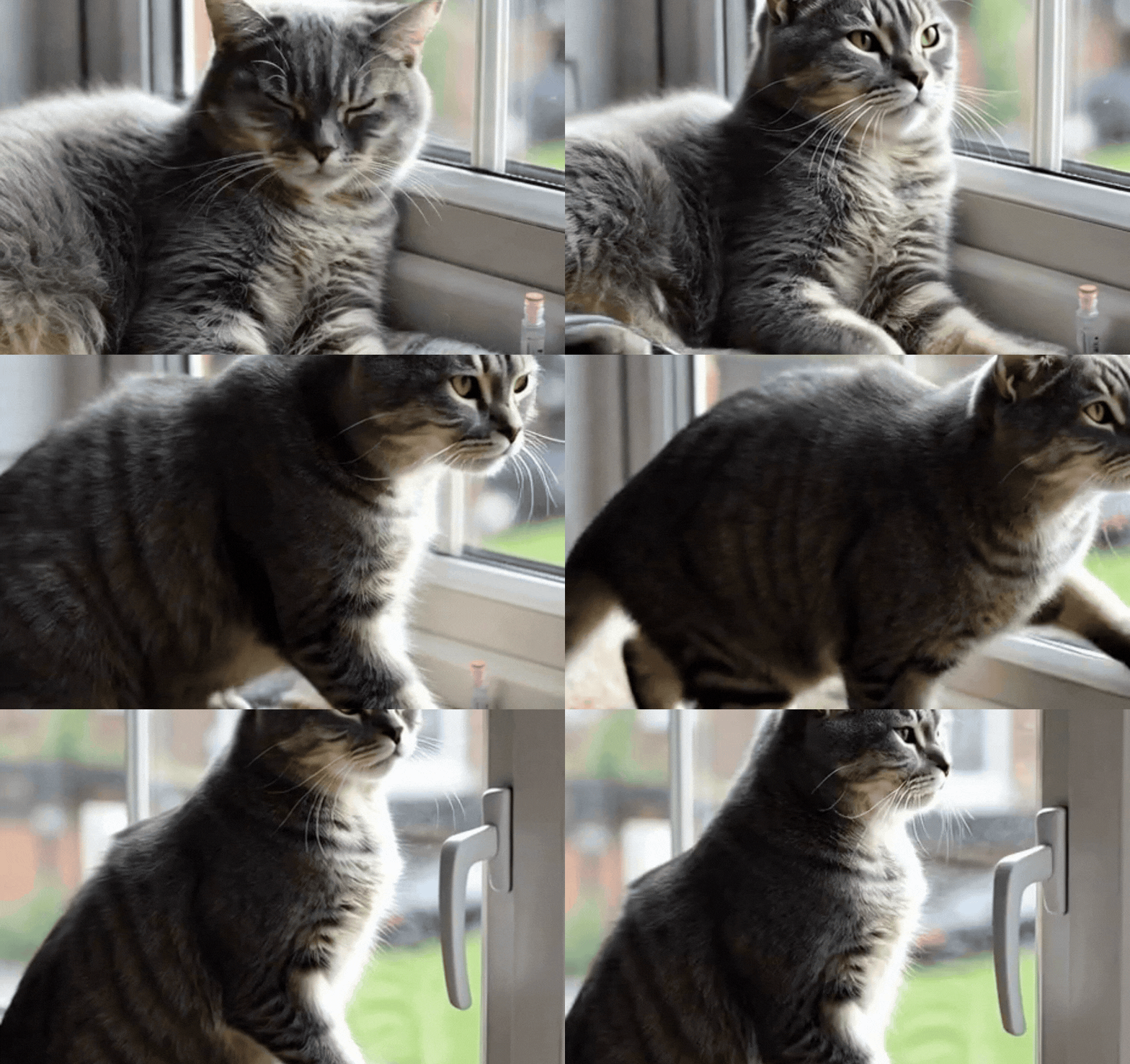
Look for limping, stiffness, or reluctance to jump onto surfaces they once scaled easily, common in older cats with joint issues. A hunched back, lowered head, or tense body posture often indicates ongoing pain. Grooming habits change too, leading to a scruffy coat from neglect or patchy fur from over-licking sore areas. Narrowed eyes, flattened ears, or dilated pupils can appear during painful episodes. Rapid breathing or panting, unusual for cats, points to acute distress.
Trusted Advice on Spotting Pain
Reluctance to be touched aligns with pain avoidance, as this Blue Cross guide on cat pain signs explains. Aggression like scratching when handled often stems from discomfort in specific areas. Litter tray issues, such as toileting outside the box, frequently tie to urinary or abdominal pain. Poor grooming results in matted fur, a practical sign to monitor daily. Depression-like lethargy, including less outdoor exploration, rounds out common indicators for UK cat owners.
Litter and Mobility Issues
Problems with the litter tray, like straining or accidents nearby, often reveal urinary pain or digestive upset. Mobility wanes, with cats avoiding stairs or furniture climbs they previously enjoyed effortlessly. Weight shifts occur if eating less persists over days. Tail flicking or restlessness shows they struggle to settle comfortably. These home-observable cues help track changes without specialist tools.
When to Act
Sudden aggression towards familiar people or pets can erupt from unexpected pain flares. Excessive sleeping or pacing indicates they cannot rest properly. Monitor for weight loss alongside these, as it compounds health risks. In multi-cat homes, a painful cat may be bullied, worsening isolation. Tracking patterns over 24-48 hours guides when professional input is essential.
5 Simple Tips
To help spot pain early
🐱 1. Observe daily routines closely, noting any drop in appetite or play over a few days. Familiarity with your cat's normal behaviour makes deviations obvious quickly. Check their coat weekly for grooming changes, as unkempt fur signals discomfort. This proactive watch prevents minor issues escalating.
🐾 2. Test mobility gently by placing favourite items on higher surfaces they usually access. Note limping during walks or stiffness after rest, especially in seniors. Avoid forcing movement, just observe naturally. Early detection aids joint health management at home.
😊 3. Listen for vocal changes like extra meowing at night or hissing on touch. Pair this with body language, such as ear flattening during petting. Keep a simple log if patterns emerge over a week. It reassures owners of normal versus concerning shifts.
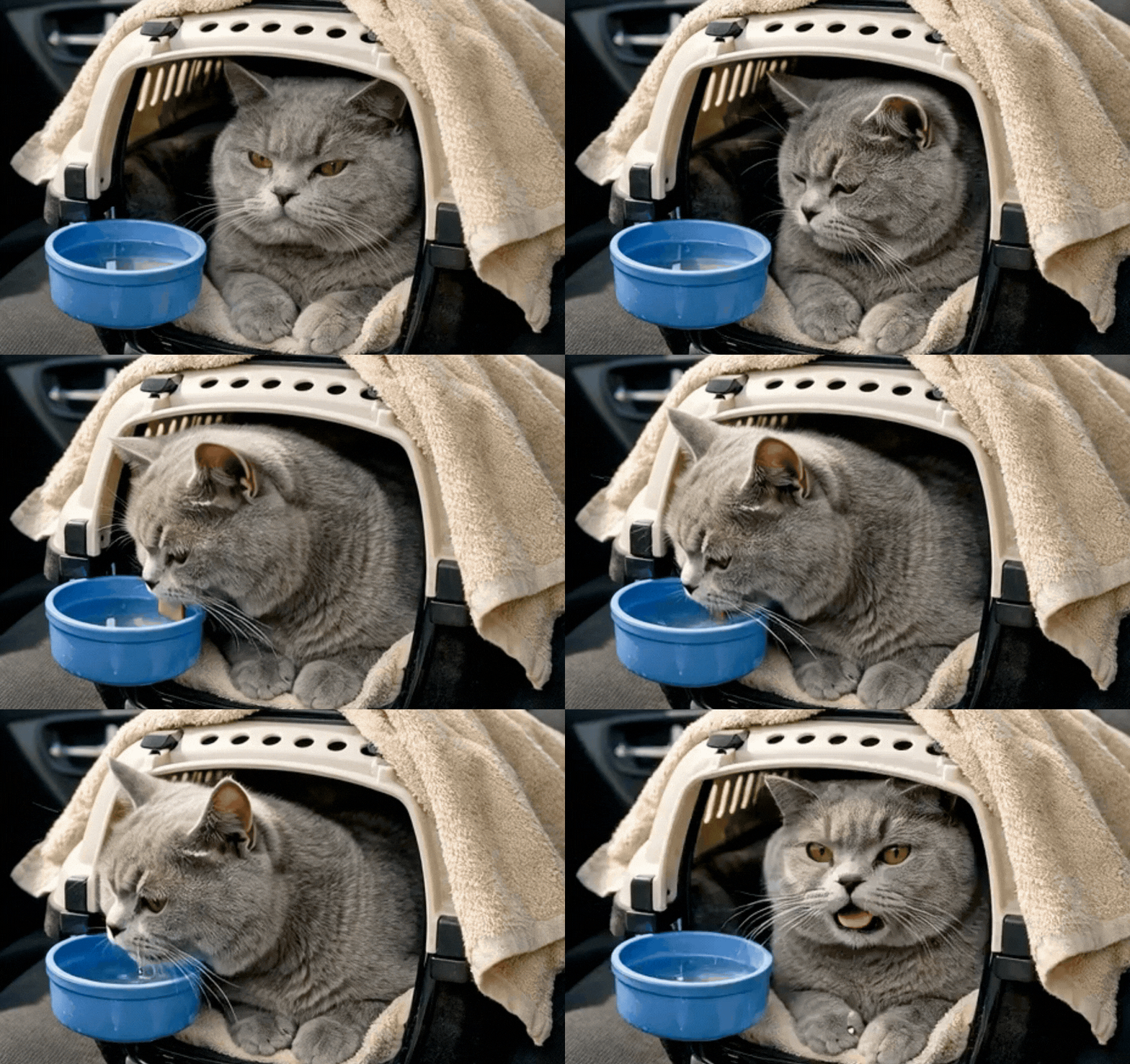
🙌 4. Inspect the litter area daily for strains or outside accidents, cleaning promptly to encourage use. Note posture changes, like a hunched back while toileting. Hydration via fresh water bowls supports urinary health alongside. These checks fit easily into UK household routines.
💫 5. Weigh your cat monthly using home scales, comparing to past records for subtle losses. Combine with energy checks during evening interactions. This builds a health baseline tailored to your pet's breed and age. Peace of mind comes from consistent monitoring.
📌 Important note While these tips help manage normal cat behaviour, sudden changes can signal health issues. Consult your vet if concerned.
5 Common Questions Answered
What are signs of pain in cats?
✍️ Q: Why does my cat hide more suddenly?
🐱 A: Hiding masks vulnerability in the wild, so pain prompts retreat to safe spots. It protects from perceived threats while recovering. Watch if paired with eating less, as it heightens concern. Vets note this in conditions like arthritis. Home adjustments like quiet zones help.
✍️ Q: Is limping always a pain sign?
🐾 A: Limping often stems from injury or joint strain, causing paw favouring. It may resolve briefly but recur with activity. Older cats show subtle shifts first. Rest and observation aid, but persistent cases need checks. UK climates can worsen outdoor-related limps.
✍️ Q: What if grooming stops?
😊 A: Pain limits flexibility for self-cleaning, leading to matted fur. Over-grooming targets sore spots instead. Check skin underneath for issues. Regular brushing supports coat health gently. This change flags dental or abdominal discomfort too.
✍️ Q: Does aggression mean pain?
🙌 A: Hissing or swatting on touch protects painful areas from pressure. It differs from play aggression by intensity. Familiar handling tests this safely. Stress reduction calms mild cases. Persistent shifts prompt underlying cause exploration.
✍️ Q: Can meowing indicate hurt?
💫 A: Extra vocalising, especially at night, signals unease or acute pain. It seeks attention or expresses distress. Normal purrs may mix in confusingly. Log frequency for patterns. Hydration and comfort tweaks assist while assessing.
THANK YOU
Thank you for reading this post. We hope that you found it helpful and hope to you visit this page again soon. For more information, fun facts and cute photos, please follow us on social media. ❤️
Disclosure & Disclaimer: Some of the links in this blog may be affiliate links, which means we earn a small commission if you click through and make a purchase. This comes at no additional cost to you but helps support the continued production of content. We only recommend products and services we believe will add value to our audience. The content provided is solely for informational purposes. Any advice provided is based on personal experience and research and may not be suitable for everyone. Before implementing any advice, please consult with a professional to ensure it's appropriate for your specific situation. Thank you for your support.