Should I Get Pet Insurance for My Rabbit
RABBIT INSURANCE
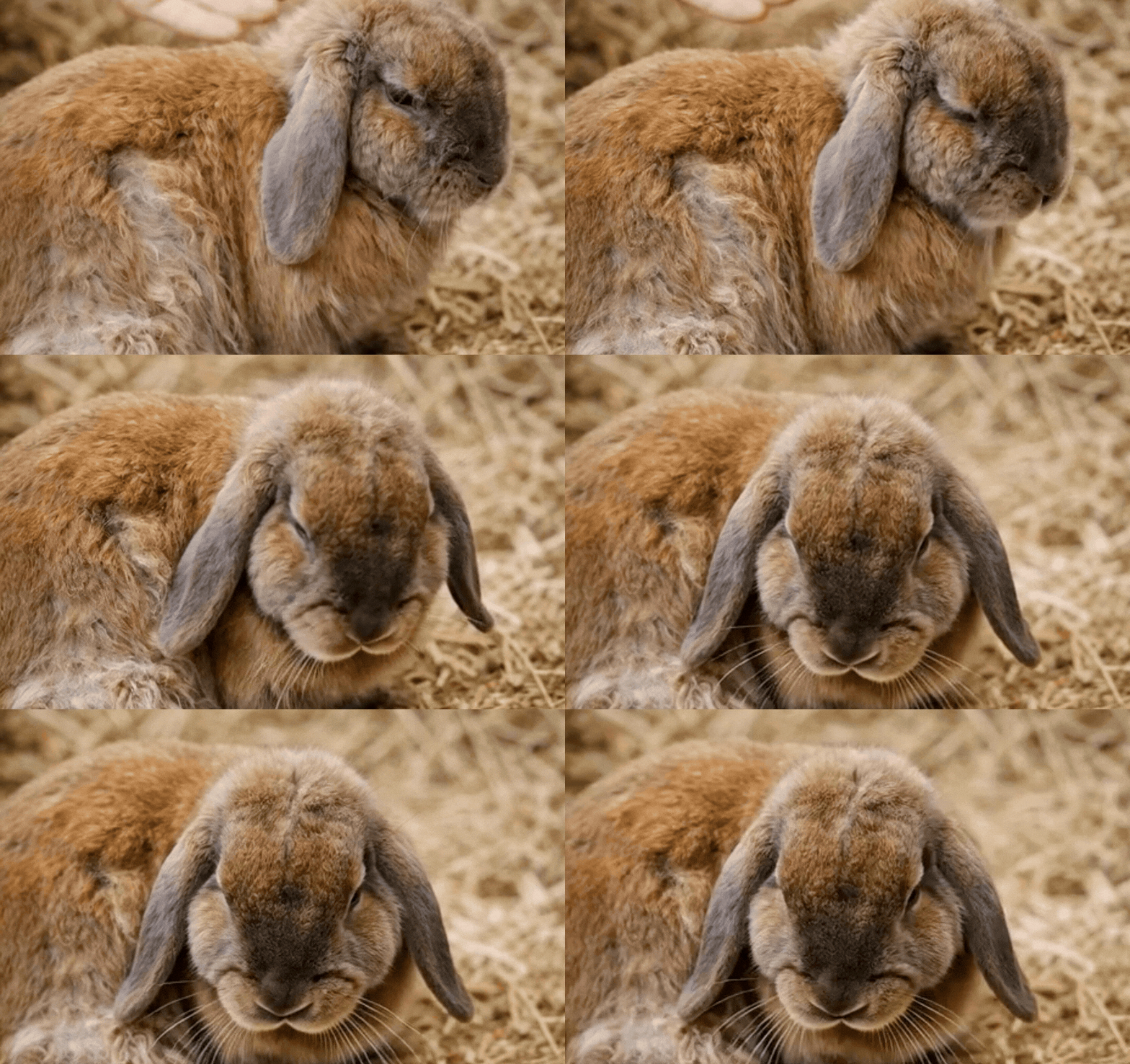
Many rabbit owners wonder whether pet insurance is really necessary for such a small pet, especially when vet bills can sometimes seem surprisingly high.
Understanding Rabbit Veterinary Costs Rabbits are prone to several expensive health issues including dental problems, gut stasis, and flystrike, which can lead to bills running into hundreds or even thousands of pounds. According to guidance on
rabbit welfare standards, early detection and proper treatment are essential, but these conditions often require specialist equipment, x-rays, hospitalisation or surgery. Many first-time owners are shocked to discover that routine dental work alone can cost £300–£800, while emergency gut stasis treatment frequently exceeds £1,000. Insurance can help spread this financial risk, giving you peace of mind to make decisions based on your rabbit’s best interests rather than your bank balance.
What Does Rabbit Pet Insurance Typically Cover? Most UK pet insurance policies designed for rabbits fall under exotic or small mammal cover and usually include veterinary fees for accidents, illnesses, and sometimes pre-existing conditions depending on the policy type. Reliable pet health advice highlights that the most valuable policies offer £5,000–£10,000 of vet fee cover per year with a lifetime option that continues coverage for ongoing conditions. Many policies also contribute towards specialist referrals, prescription medications, and even some complementary therapies when recommended by your vet. Be aware that dental disease is often covered only if it’s not classed as a pre-existing condition, so starting insurance when your rabbit is young and healthy usually gives the best protection.
Is Insurance Always the Best Financial Choice for Rabbits? Not every owner will use enough veterinary treatment to make insurance worthwhile, especially if you have a very healthy rabbit and maintain excellent preventative care. However, statistics from specialist rabbit charities show that over 80% of pet rabbits will need significant dental treatment at some point, and digestive upsets are extremely common. With species-appropriate care dramatically reducing (but never eliminating) these risks, insurance still acts as a safety net for the unexpected. The average cost of a lifetime policy for a rabbit is usually £8–£20 per month, which many owners feel is reasonable compared to the potential cost of even one emergency.
When Might You Decide to Skip Insurance? If you’re disciplined about putting money aside each month into a dedicated pet emergency fund, self-insuring can work for some owners. This approach requires genuine commitment – setting aside at least £30–£50 monthly and not touching the fund for anything else. It also helps if you already have a good relationship with an experienced rabbit-savvy vet who offers reasonable fees and payment plans. However, most owners find that life’s other expenses make it difficult to keep the fund intact, which is why insurance remains the more reliable option for the majority.
Factors to Consider Before Choosing a Policy Compare policies carefully, focusing on the annual vet fee limit, whether dental illness is covered, excess amounts, and whether the policy is lifetime or time-limited. Check the waiting periods (usually 14 days for illness, shorter for accidents) and whether there are any breed or age restrictions. Reading the policy exclusions is crucial – some companies limit cover for certain conditions like congenital dental problems. Getting quotes from several providers while your rabbit is young and healthy will usually secure the most comprehensive and affordable cover.
5 Simple Tips
To help decide if rabbit insurance is right for you
🐰 1. Research the most common and costly rabbit conditions first. Understanding that dental disease, gut stasis and respiratory infections frequently lead to four-figure vet bills helps you assess your own risk tolerance and whether you could comfortably cover these costs without insurance.
🐇 2. Get several quotes now while your rabbit is healthy. Premiums are almost always lower when you start early, and you’ll avoid exclusion periods or loaded premiums for any minor issues that appear later.
🐾 3. Read the policy wording carefully, especially the dental cover section. Many owners are caught out when dental treatment is only covered for accidents rather than the more common gradual overgrowth problems.
💡 4. Compare lifetime vs annual policies. Lifetime policies cost more monthly but provide far better protection for chronic conditions that rabbits commonly develop, particularly dental and arthritis issues in older age.
✨ 5. Speak to rabbit-savvy vets about their typical fees. Knowing realistic local costs for x-rays, dentals, hospitalisation and surgery helps you judge whether the insurance premium feels proportionate to the protection it offers.
📌 Important note While these tips help you make an informed choice about insurance, sudden changes in eating, droppings, behaviour or activity can signal serious health issues. Consult your vet immediately if concerned.
5 Common Questions Answered
Should I Get Pet Insurance for My Rabbit?
✍️ Q: How much does rabbit insurance usually cost per month?
🐇 A: Most UK policies for rabbits range from £8 to £20 per month depending on age, location, excess level and the amount of vet fee cover chosen. Younger rabbits generally attract the lowest premiums, and many companies offer discounts for paying annually. Prices can rise as your rabbit gets older, especially after claims, so starting early often works out more economical overall.
🐾 Q: Will insurance cover my rabbit’s dental problems?
💡 A: Many policies do cover dental illness, but cover varies considerably between providers. Some will only pay for dental treatment resulting from an accident, while better policies include illness-related dental care (the most common type in rabbits). Always check the wording carefully and ask the insurer directly about congenital or hereditary dental conditions.
✨ Q: Is it worth insuring an older rabbit?
🐰 A: It can still be worthwhile, especially with a lifetime policy that will continue to cover chronic conditions year after year. Premiums will naturally be higher, and some insurers limit new policies after a certain age, but many will still offer cover for rabbits up to 8–10 years old. Compare several quotes and consider your rabbit’s current health status.
🐇 Q: What’s the difference between time-limited and lifetime cover?
🐾 A: Time-limited (or annual) policies cover conditions only for 12 months from the date of diagnosis, after which you must pay ongoing costs yourself. Lifetime policies continue to cover the same condition year after year up to the annual limit, making them far more valuable for rabbits who often develop long-term dental or digestive problems.
💡 Q: Can I just save money each month instead of buying insurance?
✨ A: Many owners do successfully self-insure by putting money aside regularly, but it requires strong discipline and a willingness to accept some financial risk. The challenge comes when multiple unexpected bills arrive in quick succession or when life’s other expenses make it tempting to dip into the fund. Most experienced rabbit owners eventually prefer the certainty that insurance provides.
THANK YOU
Thank you for reading this post. We hope that you found it helpful and hope to you visit this page again soon. For more information, fun facts and cute photos, please follow us on social media. ❤️
Disclosure & Disclaimer: Some of the links in this blog may be affiliate links, which means we earn a small commission if you click through and make a purchase. This comes at no additional cost to you but helps support the continued production of content. We only recommend products and services we believe will add value to our audience. The content provided is solely for informational purposes. Any advice provided is based on personal experience and research and may not be suitable for everyone. Before implementing any advice, please consult with a professional to ensure it's appropriate for your specific situation. Thank you for your support.