Do guinea pigs need vitamin C supplements
GUINEA PIG C-VITAMIN
Many guinea pig owners worry about whether their pets get enough vitamin C, especially when commercial pellets seem to provide it already or when fresh vegetables feel like a constant guessing game. Guinea pigs cannot produce this essential nutrient themselves, unlike most other mammals, so they rely entirely on their daily diet to prevent deficiency and serious health problems like scurvy.
Why guinea pigs cannot make their own vitamin C
Guinea pigs lack the enzyme L-gulonolactone oxidase needed to synthesise vitamin C in their liver. Without a regular external supply, levels drop quickly and lead to weakened immunity, joint pain, poor wound healing and eventually life-threatening scurvy. Daily requirements vary slightly by age, pregnancy and health status, but adults generally need 10–30 mg per kg of body weight. Stress, illness or poor appetite increases the amount needed, making consistent intake even more important. In the UK climate, where fresh greens may be limited in winter, many owners turn to measured sources to bridge any gaps.
The role of commercial pellets in meeting needs
Most good-quality guinea pig pellets sold in the UK are fortified with stabilised vitamin C to provide a baseline amount when fed at the recommended 1/8–1/4 cup per day. However, vitamin C degrades over time, especially once the bag is opened and exposed to air, light and warmth, so pellets older than three months often contain far less than stated on the label. Storing food in a cool, dark, airtight container helps slow this loss but does not prevent it entirely. For this reason, relying solely on pellets is rarely enough for long-term health. Fresh vitamin C-rich foods remain the most reliable and natural way to ensure adequate daily levels.
Best natural food sources of vitamin C for guinea pigs
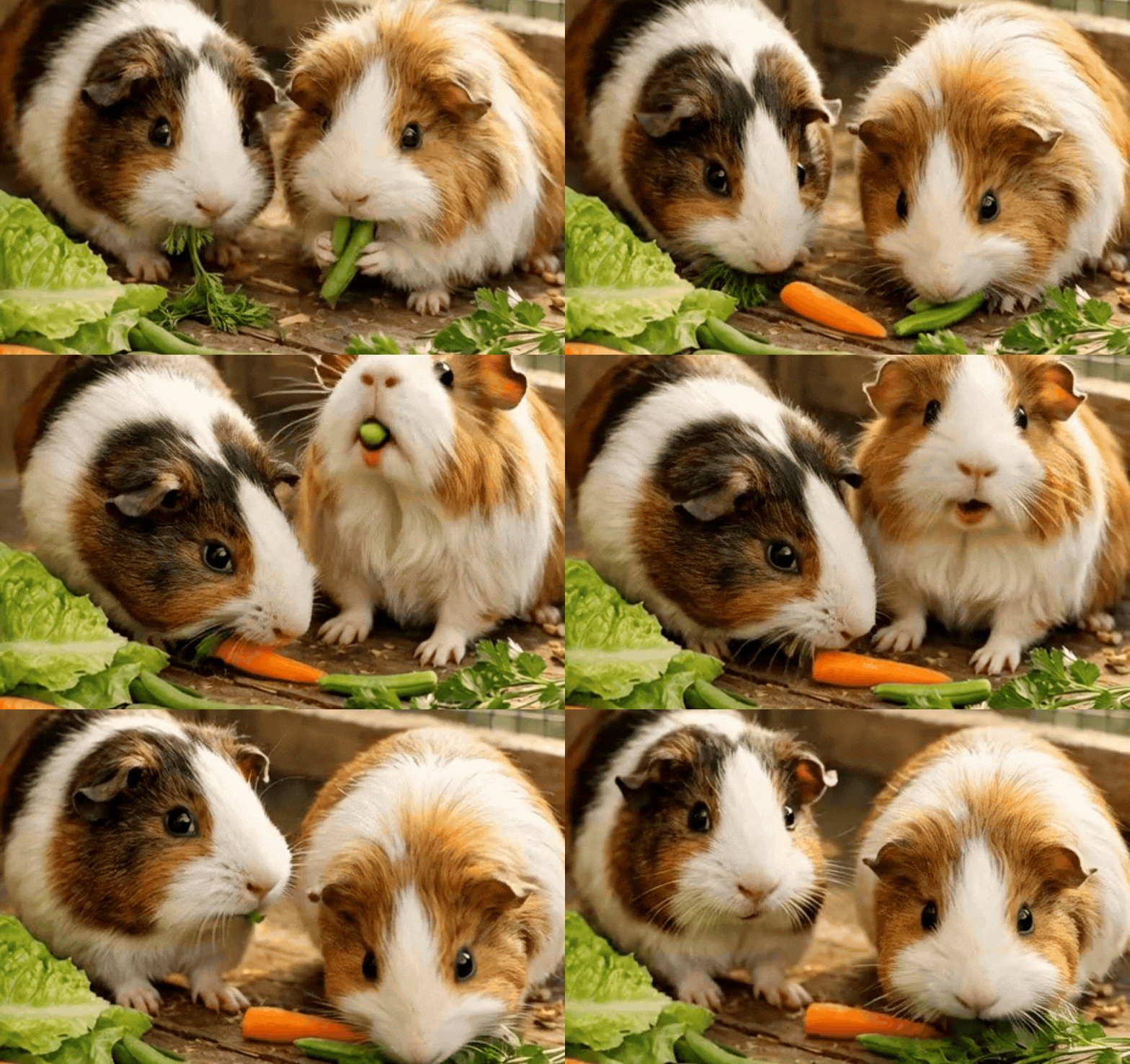
Fresh vegetables and a small amount of fruit offer the most bioavailable vitamin C and also supply fibre and hydration that pellets cannot match. Excellent everyday choices include red or yellow bell peppers (one medium slice provides well over the daily requirement), kale, broccoli, parsley, romaine lettuce and dandelion greens. Rotate several types daily to provide variety and prevent boredom or selective eating. Avoid or limit high-sugar fruits such as oranges and kiwi to occasional tiny portions as treats. Always introduce new vegetables gradually and wash them thoroughly to reduce pesticide residue.
When supplements become necessary and how to use them correctly
Supplements are useful during recovery from illness, after surgery, in elderly guinea pigs with reduced appetite, or when fresh produce intake drops significantly due to dental problems or pickiness. Liquid vitamin C formulated specifically for small mammals (available from UK pet retailers or vets) is easiest to dose accurately; mix the recommended amount into a small syringe of water or sprinkle powder over favourite vegetables. Never use human vitamin C tablets or drops as they often contain sugars, artificial sweeteners or dosages far too high for guinea pigs. Over-supplementation is rarely toxic but unnecessary when a balanced diet is already in place, as this recent charity guidance on scurvy prevention explains. Always consult an exotics-savvy vet before starting long-term supplementation.
Signs of deficiency and the importance of prompt action
Early deficiency signs include lethargy, rough coat, reluctance to move, swollen or painful joints, bruising easily and small bleeds around the gums or nose. More advanced scurvy causes severe weakness, refusal to eat and sudden death if untreated. Because symptoms can appear within one to two weeks of inadequate intake, monitor weight and behaviour closely every day. Weigh your guinea pig weekly on digital kitchen scales and seek veterinary help immediately if there is any unexplained drop or change in appetite. Early intervention with extra vitamin C sources and supportive care usually leads to full recovery.
5 Simple Tips
To help ensure adequate vitamin C intake
🐭 1. Offer at least one slice of red bell pepper every single day as the most efficient natural source. Cut it fresh each morning so the vitamin C remains at its peak. Remove any uneaten pieces after a few hours to prevent spoilage.
🐹 2. Choose two or three additional high-vitamin-C vegetables daily and rotate them throughout the week. This keeps the diet interesting and reduces the risk of any single nutrient imbalance.
🐾 3. Feed unlimited good-quality meadow or Timothy hay alongside vegetables. Hay supports dental health and digestion, which in turn helps maintain consistent eating habits and nutrient absorption.
😊 4. Store opened pellet bags in an airtight container in a cool, dark cupboard and use within eight weeks. Check the manufacturing date when buying to avoid old stock with degraded vitamin C.
💫 5. Watch portion sizes carefully when adding new foods and weigh your guinea pig weekly. Sudden refusal of favourites or weight loss below 5–10% warrants a vet visit straight away.
📌 Important note While these tips help manage normal guinea pig nutrition, sudden changes can signal health issues. Consult your vet if concerned.
5 Common Questions Answered
Do guinea pigs need vitamin C supplements?
✍️ Q: Can I rely on commercial guinea pig pellets alone for vitamin C?
🐭 A: No, because vitamin C breaks down quickly after the bag is opened. Pellets provide a useful base but lose potency over time, especially in warm kitchens. Fresh vegetables must form the main daily source for reliable levels.
✍️ Q: Which vegetables give the most vitamin C?
🐹 A: Red and yellow bell peppers top the list, with a single medium slice often exceeding the daily requirement. Other strong options include kale, broccoli florets and parsley. Always wash produce and introduce changes slowly.
✍️ Q: How do I know if my guinea pig has scurvy?
🐾 A: Look for lethargy, a dull or rough coat, reluctance to move, joint swelling, small bleeds or gum issues. These signs can appear within weeks of low intake so act quickly if noticed.
✍️ Q: Is it possible to give too much vitamin C?
😊 A: True toxicity is very rare because excess is excreted in urine. However, unnecessary high doses are pointless when a good diet is already provided and may upset digestion in sensitive individuals.
✍️ Q: Should pregnant or baby guinea pigs get extra vitamin C?
💫 A: Yes, requirements rise during pregnancy, lactation and rapid growth. Increase fresh high-vitamin-C vegetables and discuss short-term supplementation with a vet if appetite drops or stress is present.
THANK YOU
Thank you for reading this post. We hope that you found it helpful and hope to you visit this page again soon. For more information, fun facts and cute photos, please follow us on social media. ❤️
Disclosure & Disclaimer: Some of the links in this blog may be affiliate links, which means we earn a small commission if you click through and make a purchase. This comes at no additional cost to you but helps support the continued production of content. We only recommend products and services we believe will add value to our audience. The content provided is solely for informational purposes. Any advice provided is based on personal experience and research and may not be suitable for everyone. Before implementing any advice, please consult with a professional to ensure it's appropriate for your specific situation. Thank you for your support.