Why Do Cats Cough Up Those Nasty Hairballs? And How to Help Them
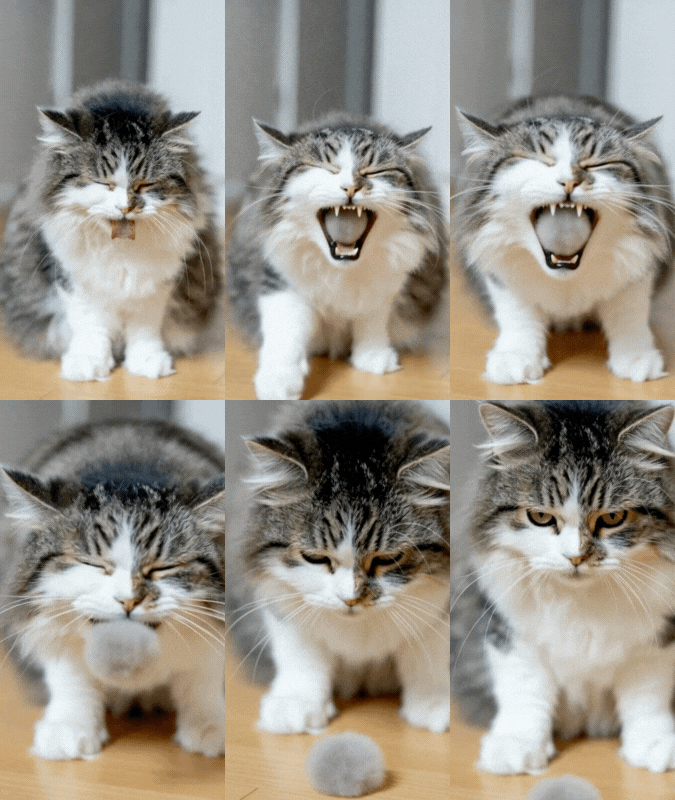
Cats are meticulous groomers, spending up to a quarter of their waking hours licking their fur clean. It's a natural behaviour that keeps their coat in top condition, but it comes with a downside: those backward-facing barbs on their tongues, called papillae, are brilliant at trapping loose hairs – yet they make it impossible for cats to spit them out. Instead, the hair gets swallowed. According to experts at Blue Cross and Cats Protection, most of this ingested fur passes harmlessly through the digestive tract and ends up in the litter tray. But sometimes it builds up in the stomach, forming a clump known as a trichobezoar – or, more commonly, a hairball.
These clumps often take on a tubular shape as they're regurgitated, which is why they look like soggy sausages rather than round balls. Hairballs are especially common in long-haired breeds and during shedding seasons, like spring and autumn, when more loose fur is around. Charities like PDSA and RSPCA note that occasional hairballs – perhaps every few weeks – are perfectly normal and nothing to worry about. However, frequent ones can point to over-grooming caused by stress, skin issues such as fleas or allergies, or even boredom.
The good news is there are straightforward ways to reduce hairballs and keep your cat comfortable.
Here's what UK vets and animal welfare organisations recommend:
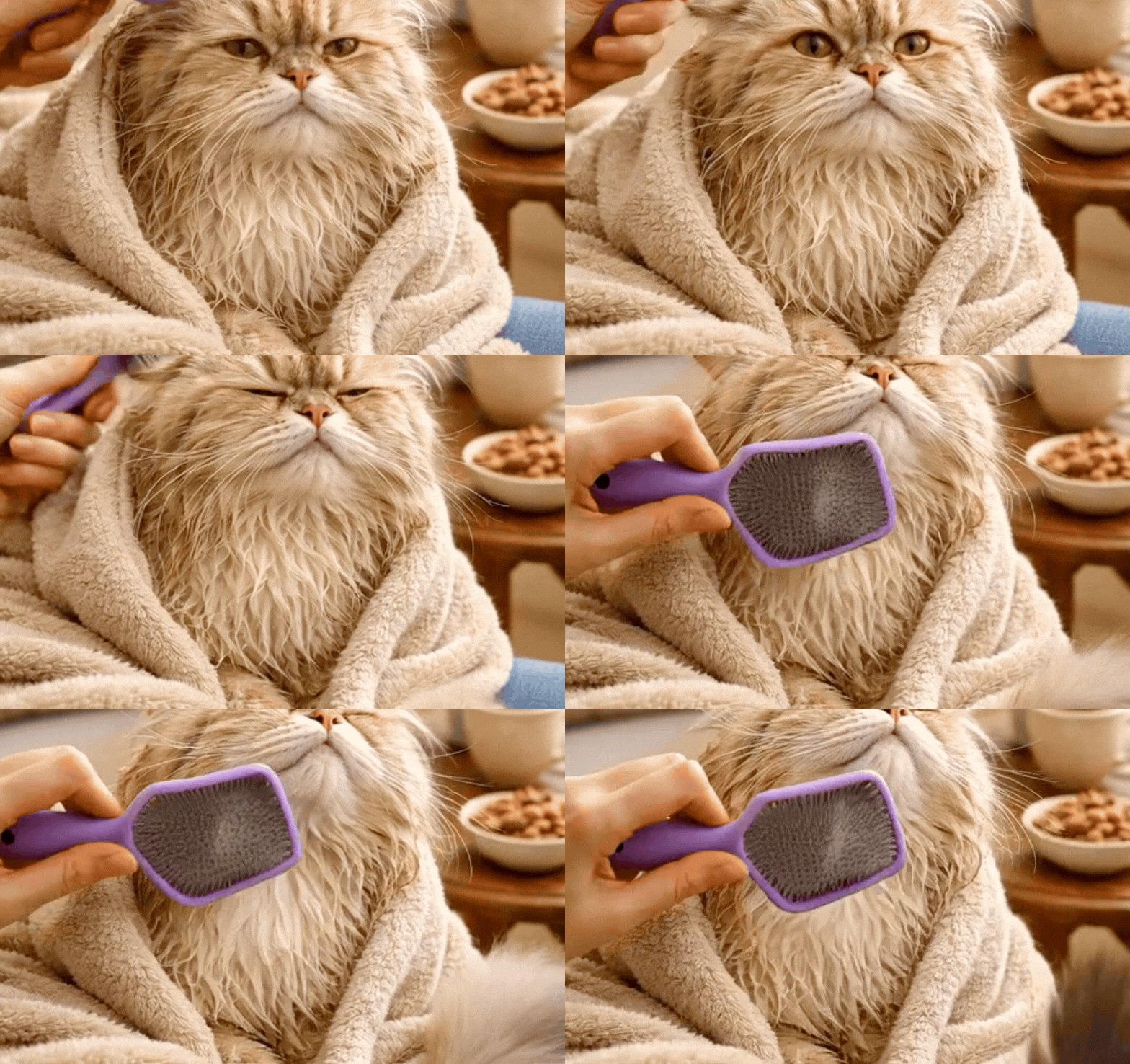
Brush your cat regularly. This is the top tip from Blue Cross and Woodgreen Pets Charity. Daily grooming for long-haired cats and weekly for short-haired ones removes loose fur before it can be swallowed. Use a suitable brush – a rubber mitten works well for short coats, while a wider-toothed comb suits longer fur. Not only does this cut down on ingested hair, but it's a great bonding opportunity too.
Switch to a hairball-friendly diet. Many commercial foods are formulated with higher fibre levels to help move hair through the gut more smoothly. Studies mentioned by Blue Cross show that increased fibre can encourage hair to pass in faeces rather than clumping in the stomach. Brands with hairball control formulas often include added nutrients for coat health. Always chat to your vet before changing diets, especially if your cat has other health needs.
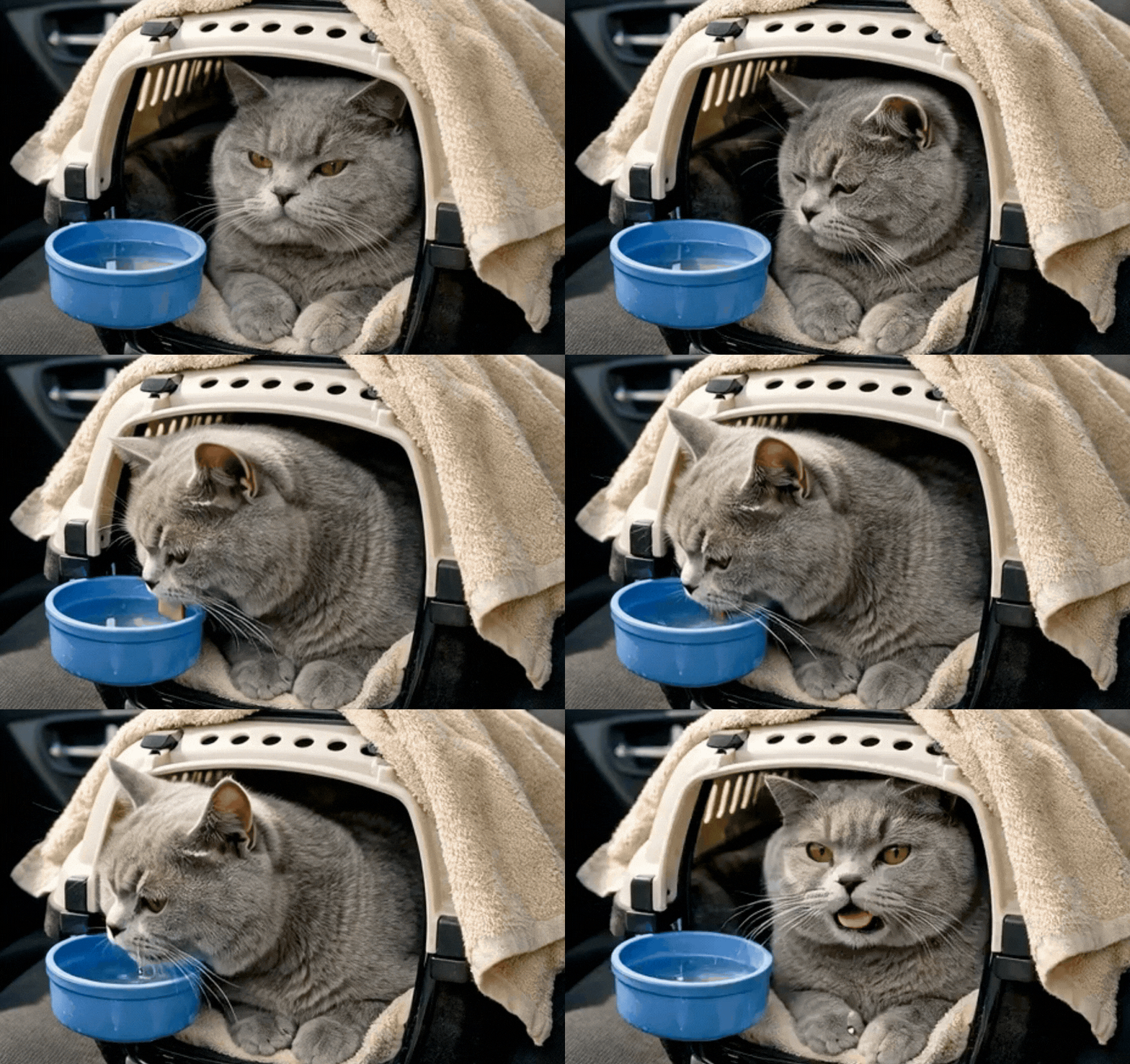
Keep your cat well-hydrated. Good hydration supports digestion and gut motility, making it easier for hair to pass naturally. Wet food is excellent for boosting moisture intake, and many owners swear by cat water fountains to encourage drinking. PDSA vets highlight that drier diets can sometimes contribute to slower digestion, so mixing in wet food can make a real difference.
Consider hairball-help products, but only with vet advice. Lubricating pastes or gels, often malt-flavoured, coat the hair to help it slide through the system. Popular options in the UK include Beaphar or VetIQ versions, used a couple of times a week for prevention. However, Blue Cross cautions there's limited scientific evidence for long-term use, and some can interfere with nutrient absorption. Your vet might suggest alternatives if needed.
Monitor grooming habits and overall health. Excessive licking can stem from fleas, allergies, pain or stress. Keep parasite prevention up to date, provide plenty of enrichment like toys and scratching posts, and watch for bald patches or obsessive grooming. If you spot these, a vet check is wise to rule out underlying problems.
Hairballs are a normal part of cat life for most, but they're not inevitable. Frequent vomiting, repeated dry retching without producing a hairball, lethargy, loss of appetite, constipation or any signs of discomfort mean it's time for a vet visit straight away. As Purina's veterinary guidance and Cats Protection advise, these could signal a blockage or other digestive issue that needs prompt attention.
By staying on top of grooming and diet, you can minimise those unwelcome surprises on your carpet and keep your feline friend feeling their best. If hairballs are a persistent problem, your local vet can tailor advice to your cat's needs.