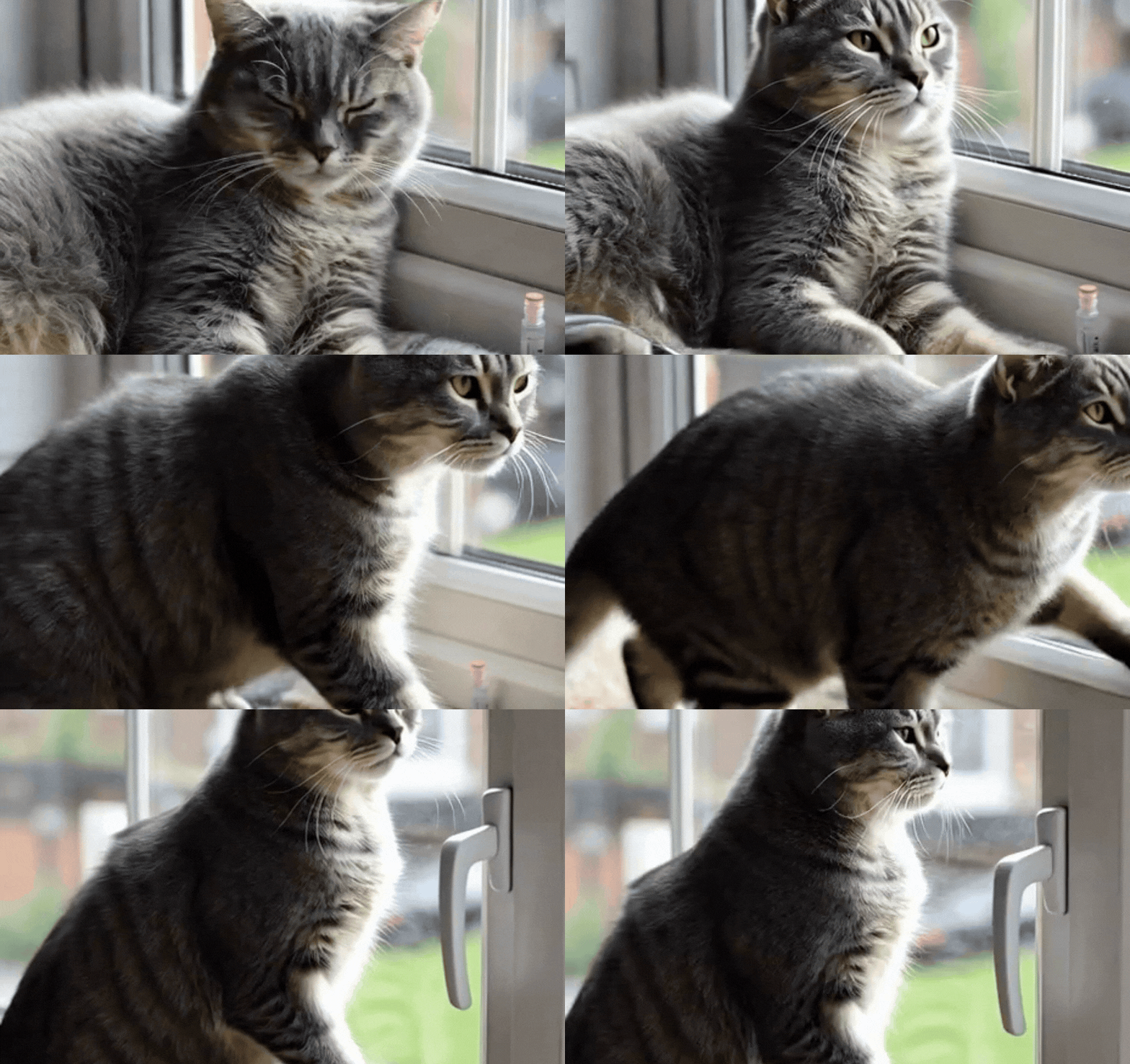
Why do cats knock things off shelves

January 27, 2026
Why Do Cats Delight in Knocking Things Off Shelves?

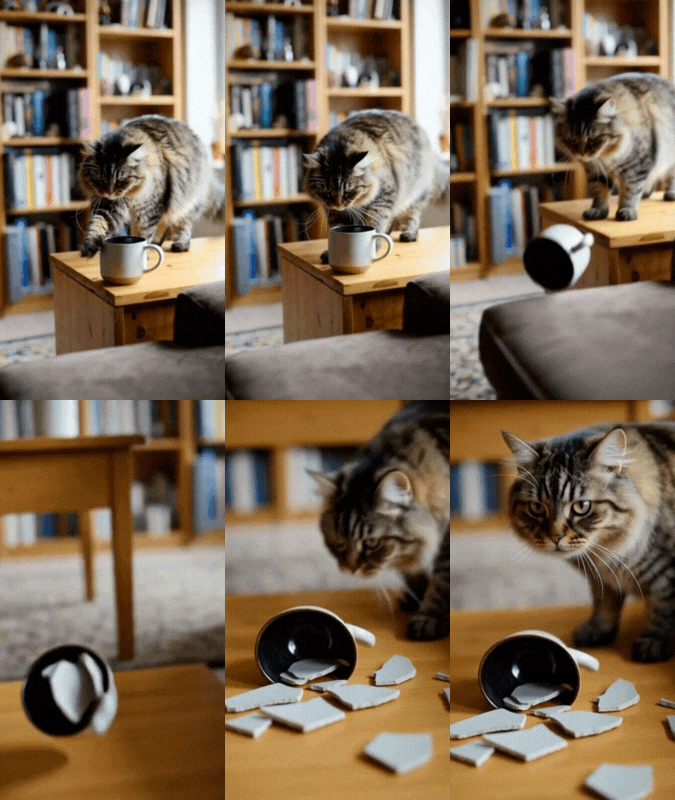
It's a scene many cat owners know all too well: your feline friend perched on a shelf, staring intently at a vase or remote, then with one deliberate paw swipe, sending it crashing to the floor. Far from being naughty, this behaviour stems from natural instincts and needs that every cat has.


The Hunting Instinct at Play

Cats are born predators, and even the most pampered house cat retains strong hunting drives. When they paw at an object on a high surface, they're often testing to see if it moves like prey. A gentle push might mimic batting at a mouse or bird, and if it falls, it simulates the chase and capture. This satisfies their innate urge to hunt without any real danger.

Elevated spots like shelves also appeal because cats love height for surveying their territory, just as their wild ancestors would perch in trees.


Curiosity and Exploration

Cats explore the world largely through their paws, which are incredibly sensitive. Pushing an item helps them gather information about its texture, weight, and how it reacts. They're essentially experimenting with cause and effect – what happens when I nudge this? The sound and movement of something tumbling down provides fascinating feedback, keeping their sharp minds engaged.


Boredom and the Need for Stimulation

If a cat lacks enough mental and physical activity, they can become bored, leading to inventive ways to entertain themselves. Knocking objects off surfaces creates excitement and noise, turning a quiet room into an instant playground. Indoor cats especially benefit from enrichment to prevent such antics.


Seeking Your Attention

Sometimes, cats learn that swiping an item guarantees a reaction from you – whether it's a scold or a rush to clean up. This can unintentionally reinforce the behaviour, as any attention feels rewarding to a social cat craving interaction.


How to Encourage Better Habits

Understanding these reasons makes it easier to redirect the behaviour kindly. Provide plenty of interactive play sessions daily using wand toys or laser pointers to channel hunting instincts. Offer safe items like lightweight balls or puzzle feeders that can be batted around on the floor without risk.

Clear fragile objects from edges, and create dedicated high perches with cat trees or wall shelves. Most importantly, ignore the knocking when it happens to avoid rewarding it, and praise calm behaviour instead.


With patience and the right environment, your cat can satisfy their curiosity and energy in ways that keep both your home and your bond intact.



5 Simple Tips

 5 Simple Tips


🐾 1. Play interactively every day

  • Spend at least 10-15 minutes twice a day playing with your cat using wand toys or feather teasers.
  • This channels their natural hunting instincts and tires them out nicely.
  • It helps reduce boredom that often leads to shelf-clearing antics.


🍵 2. Provide safe items to bat around

  • Offer lightweight balls, soft toys or crinkle balls on the floor for them to push and chase.
  • Puzzle feeders are brilliant for mental stimulation during mealtimes.
  • These give your cat the fun of knocking things without any breakage.


🐱 3. Create dedicated high perches

  • Install cat trees, wall shelves or window hammocks for safe climbing and observing.
  • Cats love being up high to survey their territory.
  • This satisfies their need for elevation without risking your ornaments.


🐾 4. Remove temptations from edges

  • Move fragile or valuable items away from shelf edges and table tops.
  • Use museum gel or double-sided tape to secure lighter objects if needed.
  • A clutter-free edge means fewer opportunities for mischief.

🙄 5. Ignore the behaviour when it happens

  • Avoid reacting with shouts or rushing over, as this can reward them with attention.
  • Calmly clean up later without making eye contact or fussing.
  • Praise and reward your cat when they're behaving calmly instead.


📌 Important note While these tips help manage normal cat curiosity and energy, sudden or excessive knocking off of items can sometimes signal stress, boredom, or an underlying health issue such as pain or anxiety. If the behaviour starts abruptly, increases dramatically, or is accompanied by other changes like reduced appetite, hiding, or aggression, it's best to consult your vet for personalised advice and to rule out any medical causes.


5 Simple Tips

 5 Common Questions Answered


🐱 1. Q: Why do cats knock things off shelves?

A: It's rarely about being naughty – this behaviour comes from their natural instincts as predators. With a gentle paw swipe, they're often mimicking hunting by testing if an object moves like prey. If it falls, it creates the thrill of a chase, satisfying their drive without any real risk. Cats also adore high spots for surveying their territory, much like their wild ancestors in trees.


Why Do Cats Knock Things Over?

🐱 2. Q: Is it because my cat is curious?

A: Absolutely, cats explore the world with their sensitive paws. Pushing an item lets them learn about its texture, weight, and reaction. They're experimenting with cause and effect, and the noise or movement when it drops is fascinating feedback. This keeps their clever minds happily occupied.


🐱 3. Q: Could boredom be the reason?

A: Yes, especially for indoor cats lacking stimulation. Without enough play or activity, they invent their own fun, turning shelves into a game. The crash and excitement provide instant entertainment. Enrichment helps prevent this by giving them better outlets for energy.


🐱 4. Q: Is my cat knocking things off to get attention?

A: Often, yes – cats quickly learn that a swipe brings you running, even if it's to tidy up or scold. Any reaction feels rewarding to a social cat who wants interaction. Ignoring the mischief and offering attention during calm moments works wonders.


🐱 5. Q: How can I stop my cat from knocking things off?

A: Start with daily interactive play using wand toys to channel hunting urges. Provide safe floor toys like balls or puzzle feeders for batting fun without damage. Add cat trees or wall shelves for safe high perches. Move fragile items from edges, and ignore the behaviour to avoid rewarding it while praising calm moments.


Remember, while these insights help with typical cat behaviour, always consult your vet for personalised advice if the knocking seems excessive or sudden, as it could point to stress or health concerns.

THANK YOU

Thank you for reading this post. We hope that you found it helpful and hope to you visit this page again soon. For more information, fun facts and cute photos, please follow us on social media. ❤️


Disclosure & Disclaimer: Some of the links in this blog may be affiliate links, which means we earn a small commission if you click through and make a purchase. This comes at no additional cost to you but helps support the continued production of content. We only recommend products and services we believe will add value to our audience. The content provided is solely for informational purposes. Any advice provided is based on personal experience and research and may not be suitable for everyone. Before implementing any advice, please consult with a professional to ensure it's appropriate for your specific situation. Thank you for your support.

Happy dog munching on fresh green grass in a sunny British park, capturing the common habit of dogs
By A Furry World January 20, 2026
Why do dogs eat grass? Discover the surprising truth, debunk common myths, and learn when to worry in our friendly Q&A guide full of practical tips for UK dog owners
Cat coughing up a hairball, Why Do Cats Cough Up Those Nasty Hairballs, How do I prevent hairballs
By A Furry World January 13, 2026
Discover why cats get hairballs and how to reduce them with expert tips . Learn about brushing, diet, hydration and when to see a vet for your cat's comfort.
Rabbit in litter tray licking paws How do I litter train a Rabbit?
By A Furry World January 6, 2026
Discover how to litter train your rabbit easily with tips . Safe litters, tray setup, neutering benefits and patience key.
By Citi Kiti July 31, 2025
Cats are famously independent creatures, often marching to the beat of their own drum.
By Guest Authour August 17, 2024
taking your rabbit for a walk
By Guest Post August 17, 2024
How often should you clean your hamster's cage? Cleaning your hamster's cage regularly is essential to maintain a healthy and comfortable environment for your pet. Here are three key points of action based on UK vets and rescue organization guidelines:
By Guest April 27, 2024
What are the signs of dental problems in dogs
By Guest April 20, 2024
The Purr-sistent Companion
By Guest April 13, 2024
Pint-Sized Potty Training
By Guest April 6, 2024
Hamster Potty Training 101