How do I know if my cat loves me?
PURFECT LOVE
Cats often show affection in subtle ways that differ from dogs, leaving owners wondering if their feline truly bonds with them.
Slow Blinking
Your cat's slow blink is a clear sign of trust and love, often called a kitty kiss. They partially close their eyes in a relaxed manner when looking at you, showing they feel safe. Try blinking slowly back to strengthen this bond at home. This behaviour helps reduce stress for both you and your cat. UK cat owners notice it most during quiet evenings together.
Headbutting and Rubbing
Headbutting, or bunting, means your cat marks you as family with scent glands on their cheeks. They rub against your legs or face to share their unique smell, a comforting ritual. This is common when you return home from work. It reinforces your special connection in a multi-cat household. Watch for it during daily greetings.
Grooming and Licking
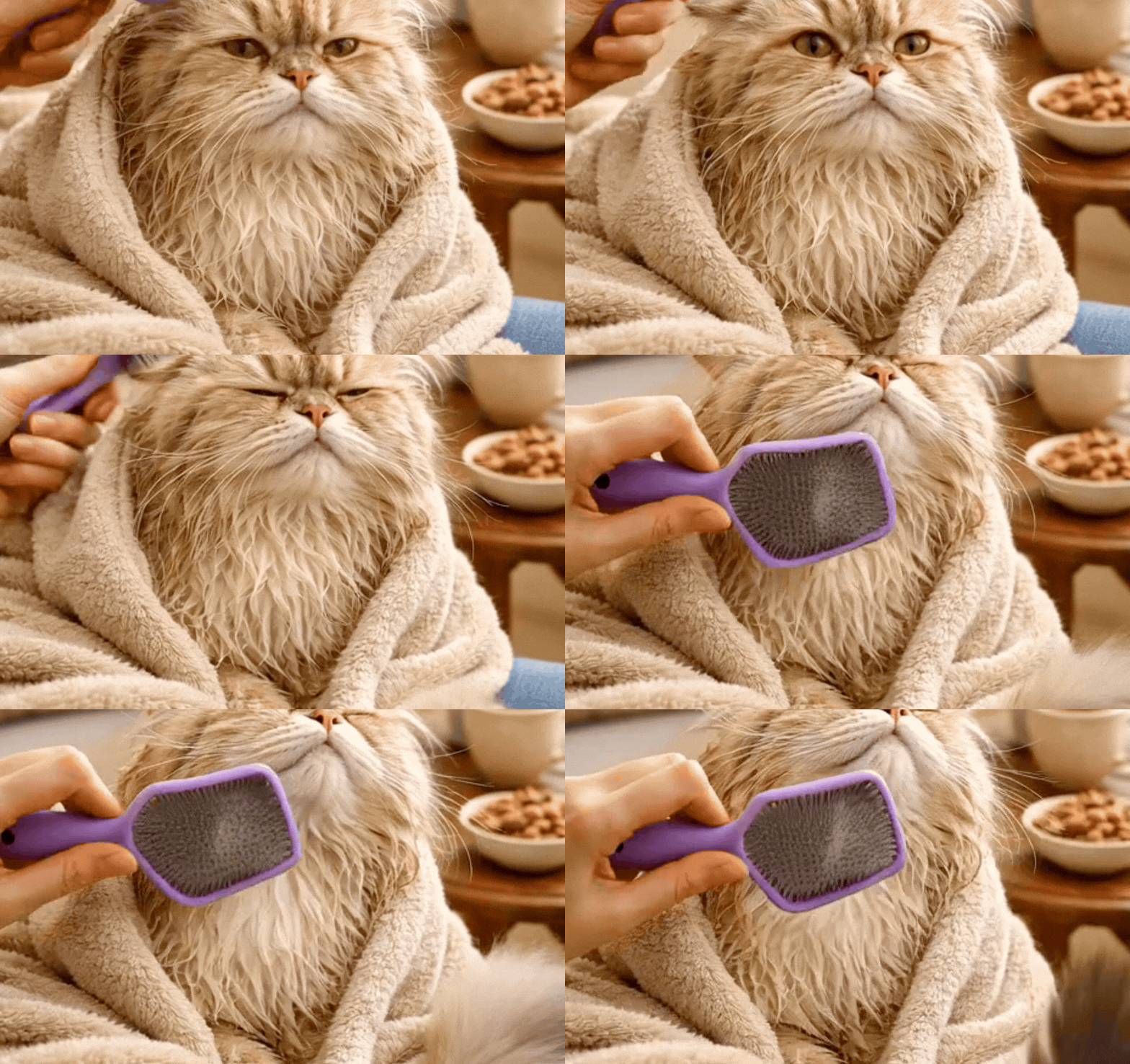
If your cat licks or grooms you like a kitten, it shows deep affection and acceptance into their social group. This allogrooming mimics how they care for each other. Offer a gentle stroke in return to encourage it. Neutered cats in UK flats often do this more frequently. It builds mutual trust over time.
this Blue Cross guide on cat behaviour confirms relaxed eye contact signals fondness, as they view you as non-threatening. Kneading or making biscuits with their paws recalls kittenhood comfort on mum's belly. They expose their belly or bottom only to trusted humans, inviting interaction despite the vulnerability. Tail wrapping or high question-mark tails greet you as pack member during routines. Purring while near you indicates contentment, especially during lap time in cosy UK homes.
Sleeping Near You
Cats sleep up to 16 hours daily and choose safe spots, so curling by your side means ultimate trust. They nap on your lap or bed, vulnerable and relaxed. This is vital for their wellbeing in busy households. Observe patterns after play sessions. It reassures owners their cat feels secure.
Following You Around
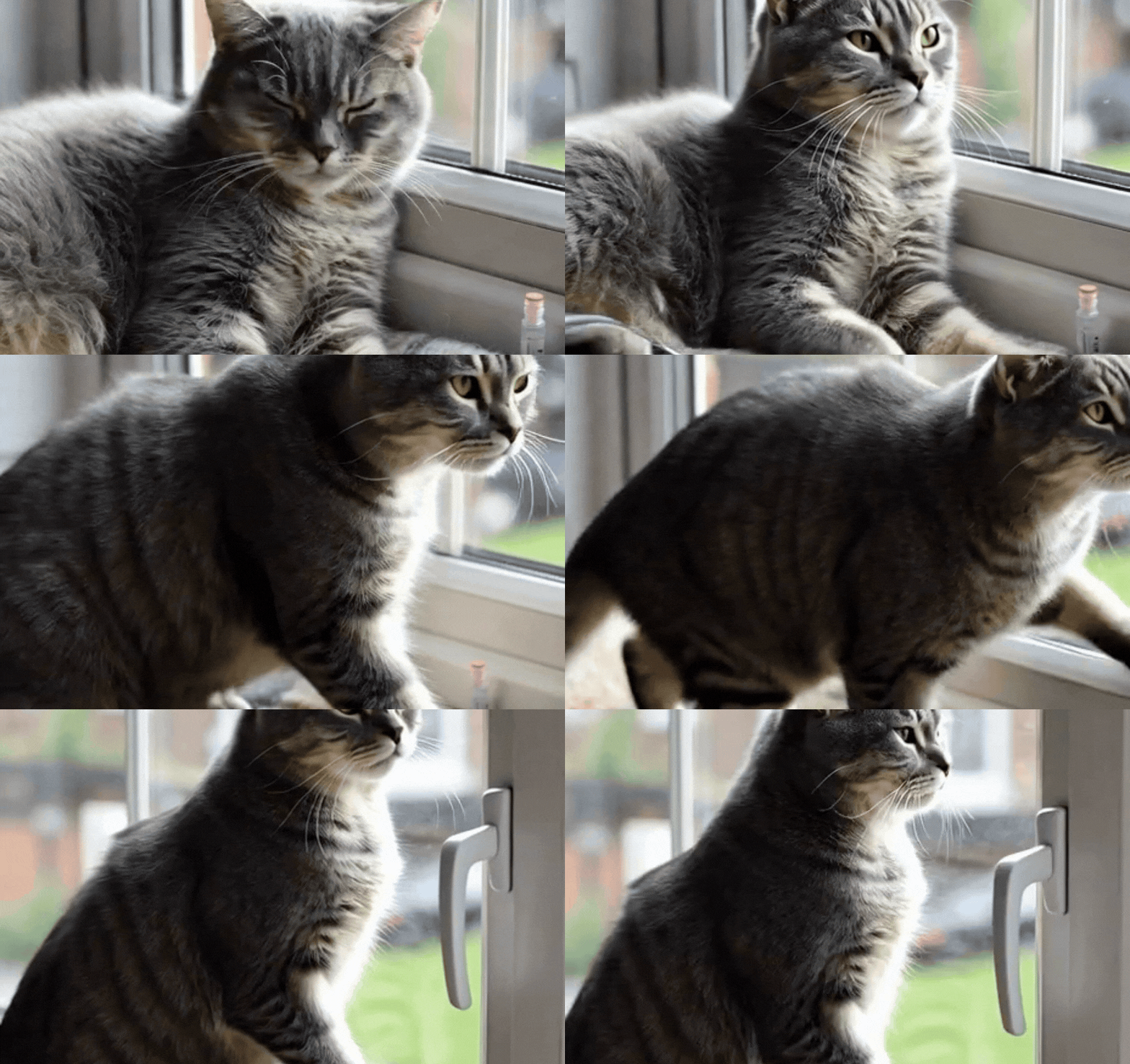
A loving cat shadows you from room to room, craving your company without clinginess. They sit nearby during chores or TV time, content in your presence. This suits independent breeds like British Shorthairs common in the UK. It shows emotional attachment. Encourage it with interactive toys.
5 Simple Tips
To help your cat show love more openly
🐱 1. Respond to slow blinks with your own to build instant trust during eye contact. This simple gesture mimics their language and encourages reciprocity daily. UK vets recommend it for bonding. Your cat will relax faster around family visitors too.
🐾 2. Offer head scratches where they rub, using their scent cues to deepen affection. Gentle strokes on cheeks reinforce their marking habit safely at home. Avoid over-stroking to prevent irritation. This works well for indoor cats in flats.
😊 3. Provide soft blankets for kneading sessions, protecting your lap from claws. Trim nails regularly with UK salon clippers for comfort. Reward with treats to associate it positively. It nurtures their comforting ritual.
🙌 4. Play hunt games with feather toys to prompt gifts like toys instead of prey. This satisfies instincts safely in urban gardens. Rotate toys weekly for engagement. It strengthens your provider role.
💫
5. Create quiet sleep zones near your spot with vet-approved beds for lap napping. Maintain a consistent routine to boost security. Add calming pheromones if needed. This invites more cosy closeness over time.
📌 Important note While these tips help manage normal cat behaviour, sudden changes can signal health issues. Consult your vet if concerned.
5 Common Questions Answered
How do I know if my cat loves me?
✍️ Q: Why does my cat bring me dead mice?
🐱 A: This mimics a mother teaching kittens to hunt, viewing you as family needing lessons. Praise gently and dispose discreetly to avoid repeats. Indoor cats may use toys instead. It shows they trust your home as safe.
✍️ Q: Is purring always happiness?
🐾 A: Purring often signals contentment during strokes, but check context like tense ears. Relaxed body language confirms love. UK owners note it post-play. Monitor for illness if constant.
✍️ Q: What if my cat ignores me sometimes?
😊 A: Cats value independence, so room-sharing without fuss means affection. Respect their space to encourage more interaction. Breeds vary, like Siamese being vocal. Patience builds bonds.
✍️ Q: Does belly exposure mean play?
🙌 A: It's trust, not always an invite to rub, as it's vulnerable. Stroke chest lightly if they lean in. Avoid tummy tickles to prevent scratches. This respects their signals.
✍️ Q: How to encourage headbutts?
💫 A: Stay low at eye level during greetings with calm energy. Use treats post-rub to reward. Consistent routines prompt it naturally. It mixes scent and love effectively.
THANK YOU
Thank you for reading this post. We hope that you found it helpful and hope to you visit this page again soon. For more information, fun facts and cute photos, please follow us on social media. ❤️
Disclosure & Disclaimer: Some of the links in this blog may be affiliate links, which means we earn a small commission if you click through and make a purchase. This comes at no additional cost to you but helps support the continued production of content. We only recommend products and services we believe will add value to our audience. The content provided is solely for informational purposes. Any advice provided is based on personal experience and research and may not be suitable for everyone. Before implementing any advice, please consult with a professional to ensure it's appropriate for your specific situation. Thank you for your support.