Can rabbits be trained to do tricks?
RABBIT TRICKS
Many rabbit owners wonder if their clever bunnies can learn fun tricks like spinning or high-fives, especially when they see dogs performing such behaviours.
Positive Reinforcement Works Best
Rabbits respond well to clicker training and treats as rewards. Use a clicker to mark the exact moment they perform a desired action, followed by a small food treat like a piece of carrot. Keep sessions short, around five to ten minutes daily, to match their attention span and prevent boredom. Start in a quiet room free from distractions, building trust through consistent, gentle encouragement. This method strengthens your bond while teaching simple behaviours effectively.
Tricks Suited to Rabbits
Popular tricks include spinning in a circle, standing on hind legs, or jumping through a hoop. Begin with luring, holding a treat to guide their nose in the motion, then phase it out for verbal cues like "spin" or "up". Rabbits enjoy agility-style tasks such as weaving around objects or going through tunnels, which mimic their natural hopping instincts. Choose tricks matching their size, breed, and energy levels, such as Netherland Dwarfs excelling at high jumps. Always prioritise their comfort to avoid stress.
UK Rescue Advice on Training
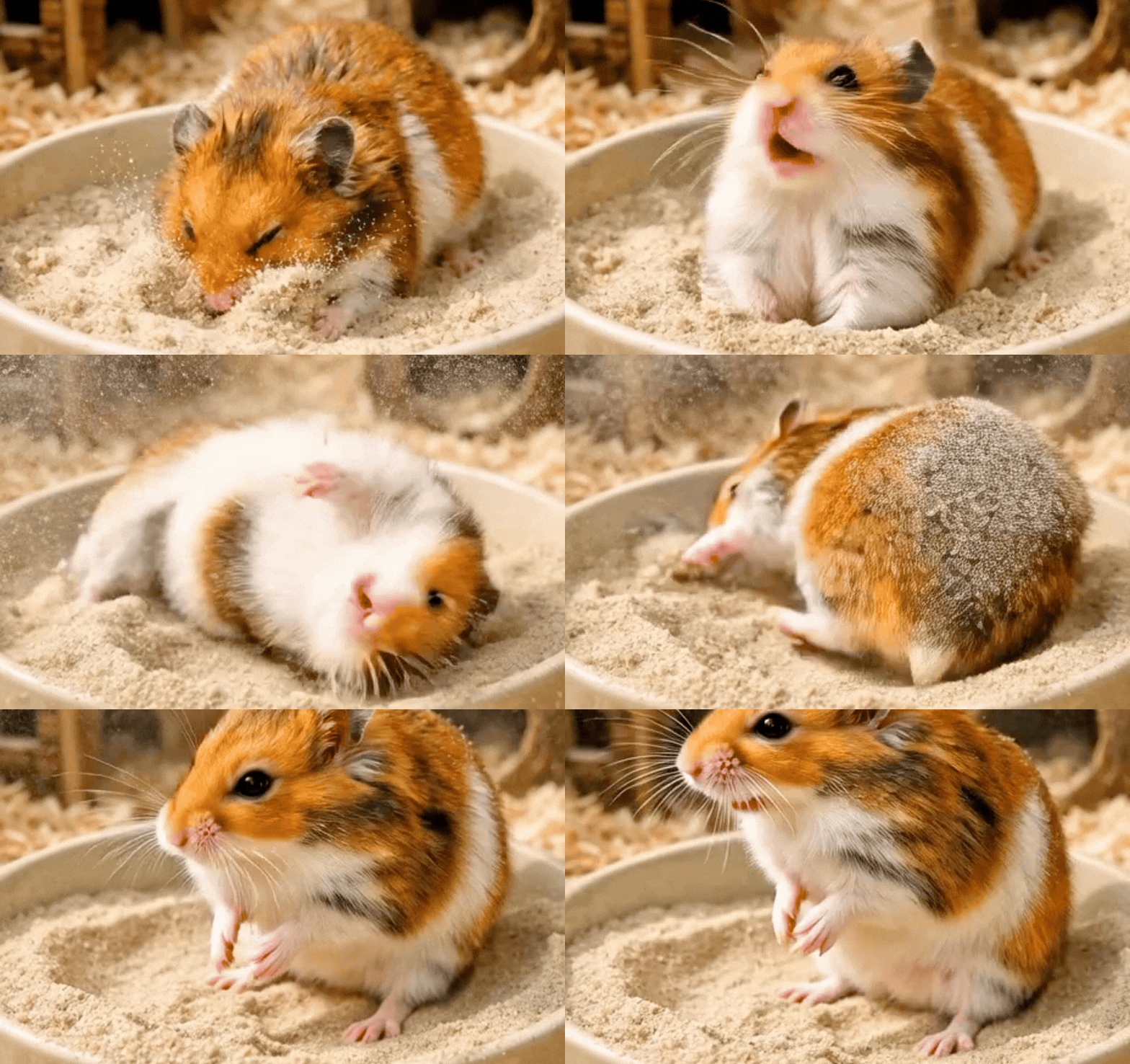
Sand aids grooming, as RSPCA rabbit training guide confirms. Short, daily sessions using positive methods suit rabbits' sensitive nature, preventing fear-based responses common in punishment. UK weather means indoor training works year-round, using household items like cardboard tunnels for safety. Monitor for signs of overload, like thumping, and adjust pace accordingly. Rescue organisations stress patience yields confident, happy learners.
Building Duration and Cues
Add verbal or hand signals once the trick is reliable, repeating for muscle memory. Gradually increase distance or complexity, aiming for an 85% success rate before advancing. Practice across locations, like kitchen to living room, for reliability. Vary treats to maintain interest, mixing hay pieces with veggies suitable for UK diets. This ensures tricks generalise beyond training time.
Safety During Sessions
Supervise to prevent injury from jumps or obstacles, padding edges if needed. Watch weight gain from treats, limiting to 1% of body weight daily per PDSA guidelines. Neutered rabbits often focus better, reducing hormonal distractions. Stop if your rabbit hides ears or grinds teeth, resuming later. Hydration matters, so offer water nearby post-session.
5 Simple Tips
To help your rabbit learn tricks
🐰 1. Gather a clicker, small treats and a quiet space before starting. Sessions of five minutes twice daily build habits without tiring your bunny. Begin with easy nose touches to gain confidence quickly.
🐇 2. Lure with treats held near their nose for spins or stands. Repeat the motion slowly until they follow willingly, clicking at completion each time. Fade the lure over a week for independence.
🐾 3. Use consistent words like "up" paired with hand signals from the start. Practice in varied spots around your home to solidify cues. Reward immediately to link command with action.
💡 4. Track progress in a notebook, noting successes per session. Adjust if under 80% reliable, simplifying the trick temporarily. This keeps motivation high for both you and your rabbit.
✨ 5. End every session positively with play or strokes, even if unfinished. Alternate tricks daily to prevent repetition boredom. Patience turns natural behaviours into polished performances.
5 Common Questions Answered
Can rabbits be trained to do tricks?
✍️ Q: How long until my rabbit learns a trick?
🐰 A: Most rabbits pick up basics like spinning in one to two weeks with daily practice. Consistency matters more than length, so short sessions yield faster results. Breeds like Lionheads may take slightly longer due to coat distractions.
✍️ Q: What treats work best for training?
🐇 A: Use tiny pieces of carrot, dandelion greens or hay-based rewards to avoid tummy upset. UK-sourced meadow hay adds fibre for safe motivation. Limit to avoid obesity risks in indoor pets.
✍️ Q: Can shy rabbits learn tricks?
🐾 A: Yes, start with trust-building like hand-feeding before tricks. Positive reinforcement rebuilds confidence gradually. Rescued rabbits often surprise owners with quick progress once settled.
✍️ Q: Do I need special equipment?
💡 A: A clicker from pet shops and household items like hoops suffice. No costly agility kits needed for home training. Sturdy cardboard ensures safety on UK laminate floors.
✍️ Q: What if my rabbit loses interest?
✨ A: Switch tricks or add play breaks to refresh focus. Vary session times, morning or evening, matching their active periods. Hunger before meals boosts treat appeal naturally.
THANK YOU
Thank you for reading this post. We hope that you found it helpful and hope to you visit this page again soon. For more information, fun facts and cute photos, please follow us on social media. ❤️
Disclosure & Disclaimer: Some of the links in this blog may be affiliate links, which means we earn a small commission if you click through and make a purchase. This comes at no additional cost to you but helps support the continued production of content. We only recommend products and services we believe will add value to our audience. The content provided is solely for informational purposes. Any advice provided is based on personal experience and research and may not be suitable for everyone. Before implementing any advice, please consult with a professional to ensure it's appropriate for your specific situation. Thank you for your support.